
Bernard Cathelin
Boccara artwork selection by Didier Marien
Works by Bernard Cathelin in the Boccara Collection
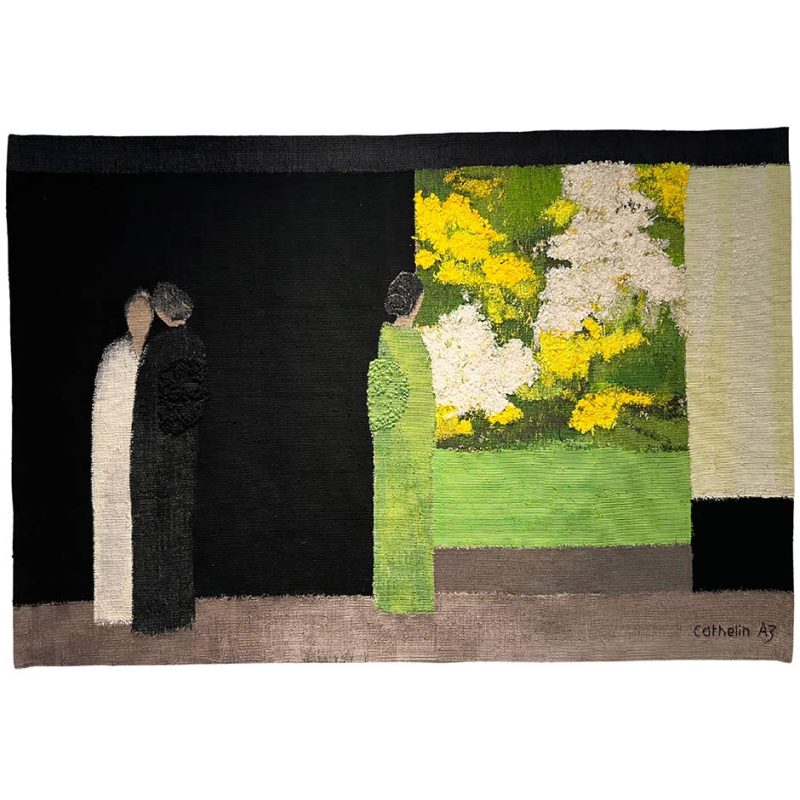
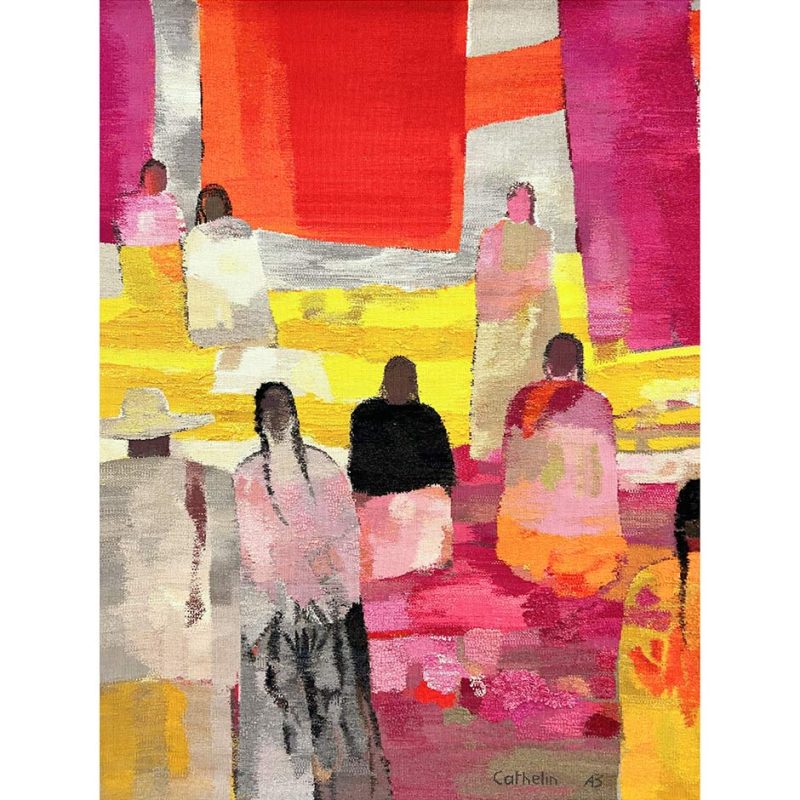
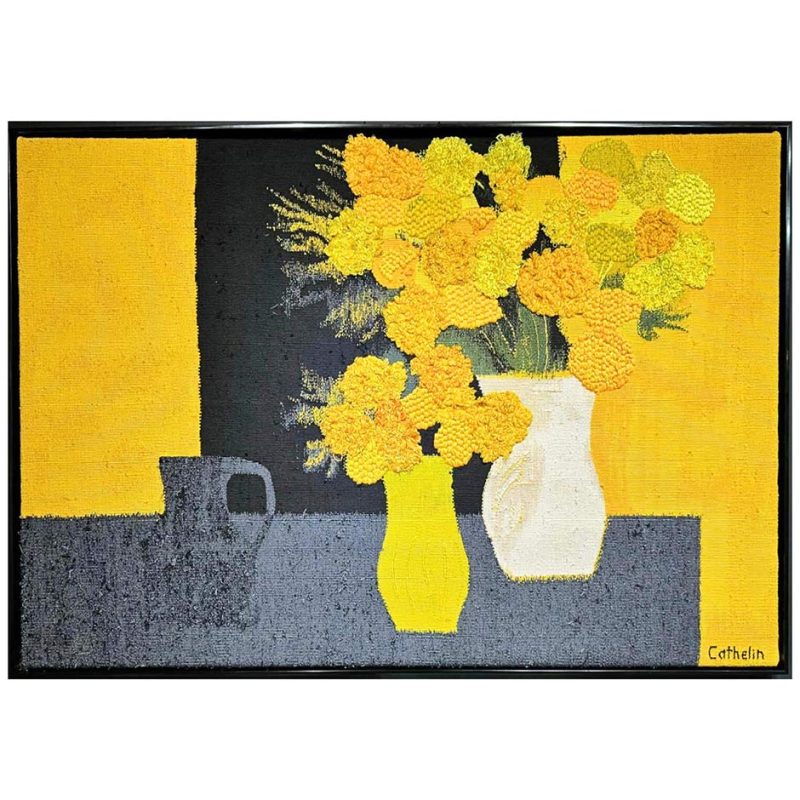
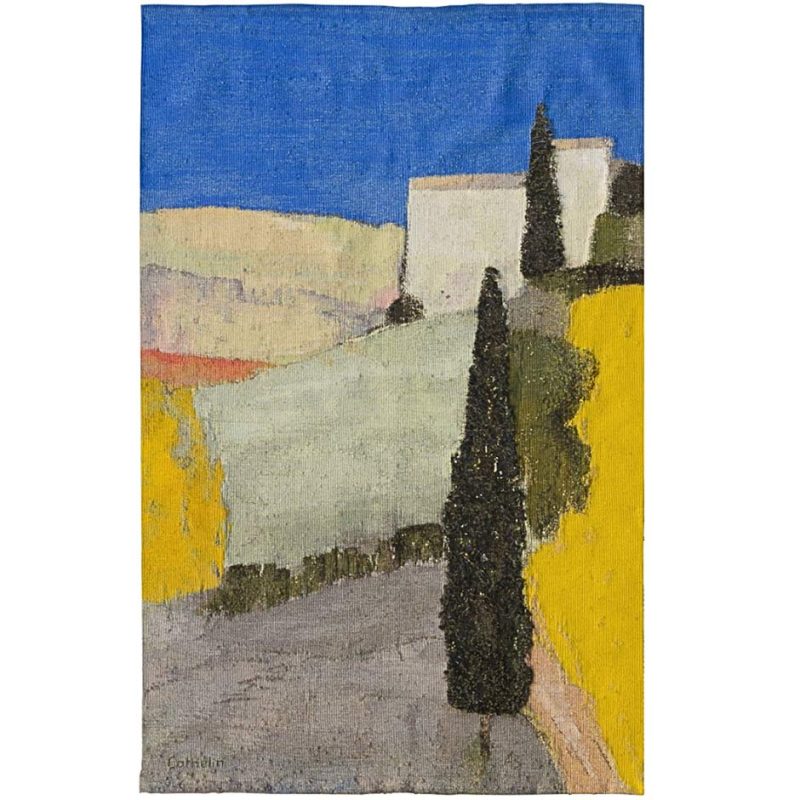

ORIGINS & VISION
About the Artist
Bernard Cathelin: The Architecture of Light and Color
Bernard Cathelin (1919–2004) was a French painter whose work is celebrated for its structural simplicity and rich, impasto textures. Born in Paris, he was a key member of the post-war School of Paris, a circle that included titans such as Picasso, Matisse, and Chagall. Cathelin studied at the École Nationale Supérieure des Arts Décoratifs, where he was the protégé of Maurice Brianchon. Under Brianchon’s tutelage, he refined a style often associated with the Réalité Poétique movement—an approach that balanced figurative subjects with an evocative, almost abstract use of color.
A Global Palette: From the Drôme to the Orient
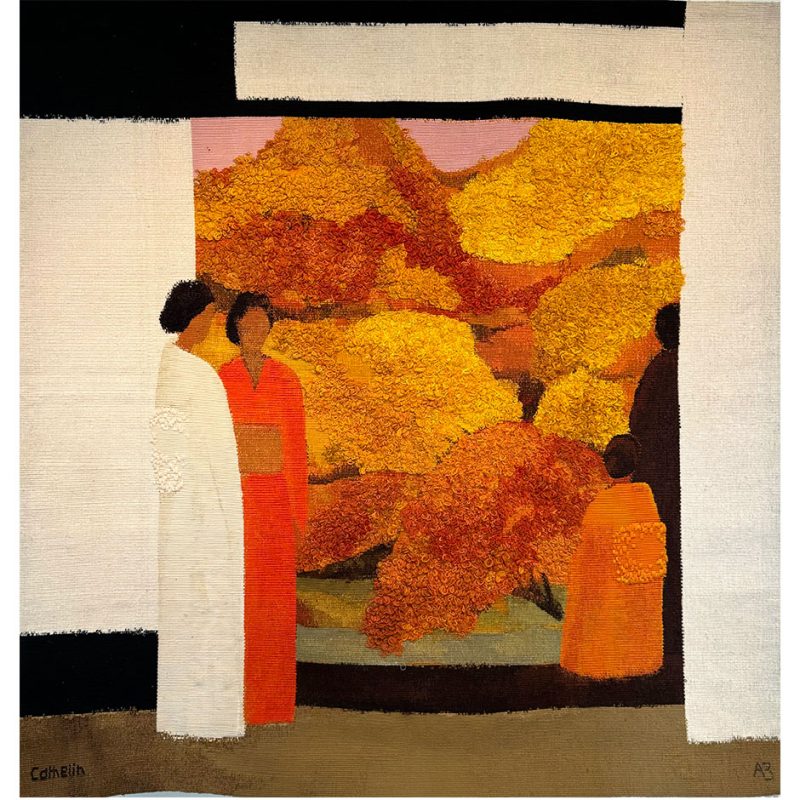
Cathelin’s work is a travelogue of his deep connection to the earth. His most enduring inspiration was the Drôme region of France, where his maternal roots lay, but his aesthetic was equally shaped by extensive travels to Mexico, India, and Japan. In Mexico, he found a rugged, earthy vitality; in India, a spiritual intensity of color. However, it was Japan that most profoundly influenced his later years. The rhythmic simplicity of Zen gardens and the stark geometry of Shinto architecture led Cathelin to strip his compositions down to their essentials, focusing on the “visual silence” between form and shadow.
The Palette Knife and the Tactile Surface
Cathelin was a master of materiality. Whether working in oil on canvas or through the medium of lithography, he sought to create surfaces that were physically engaging. He famously employed the palette knife to layer pigment, creating a “topography of color” that caught the light in various ways. This obsession with texture made his transition into the world of fine art textiles a natural progression of his practice, as he sought a medium that could replicate the architectural weight and organic warmth of his paintings.
An Exclusive Legacy: The Cathelin and Atelier 3 Partnership
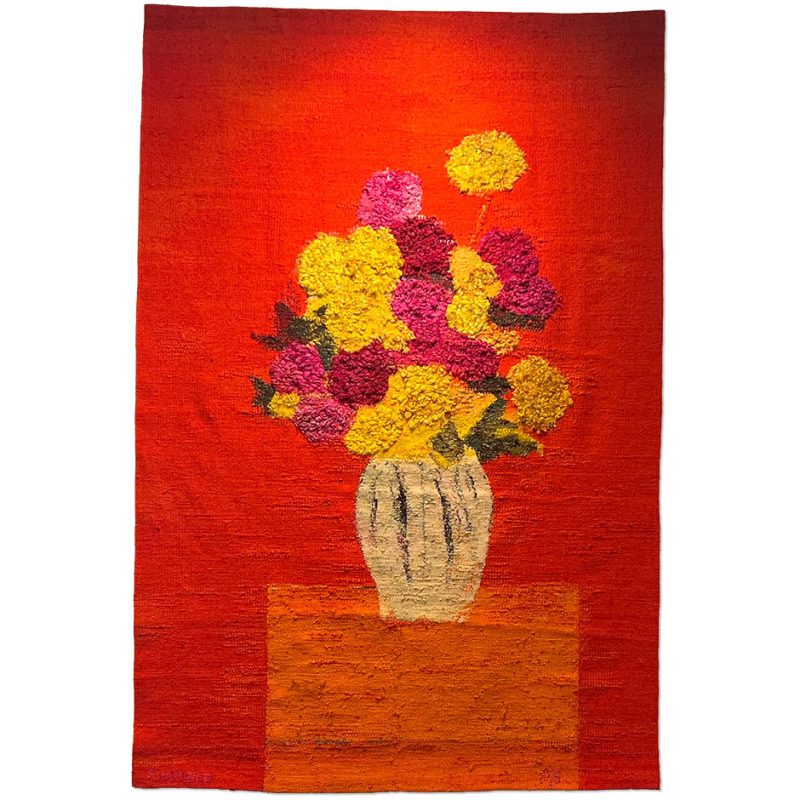
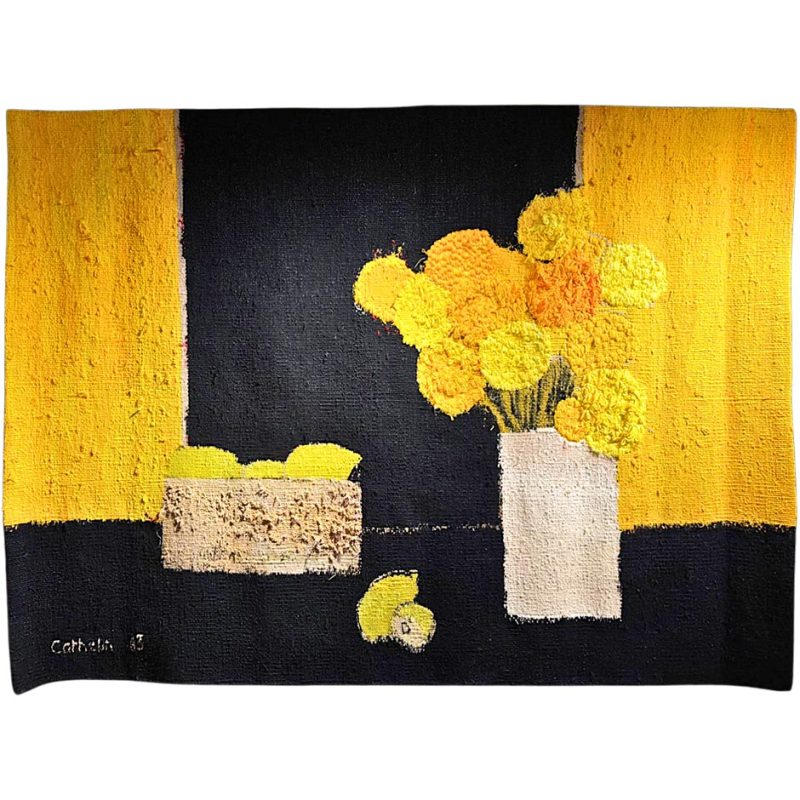
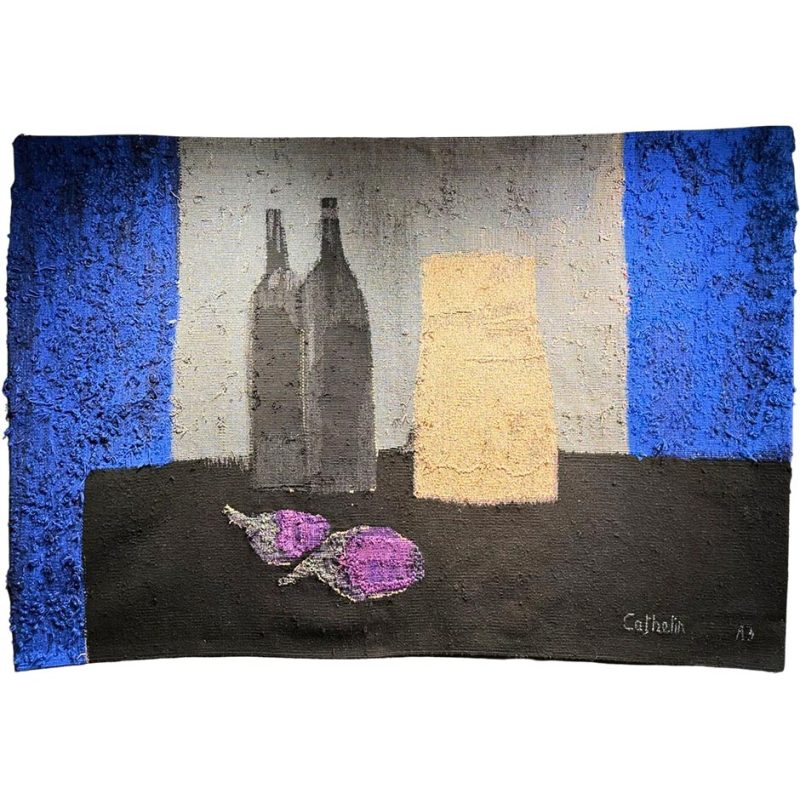
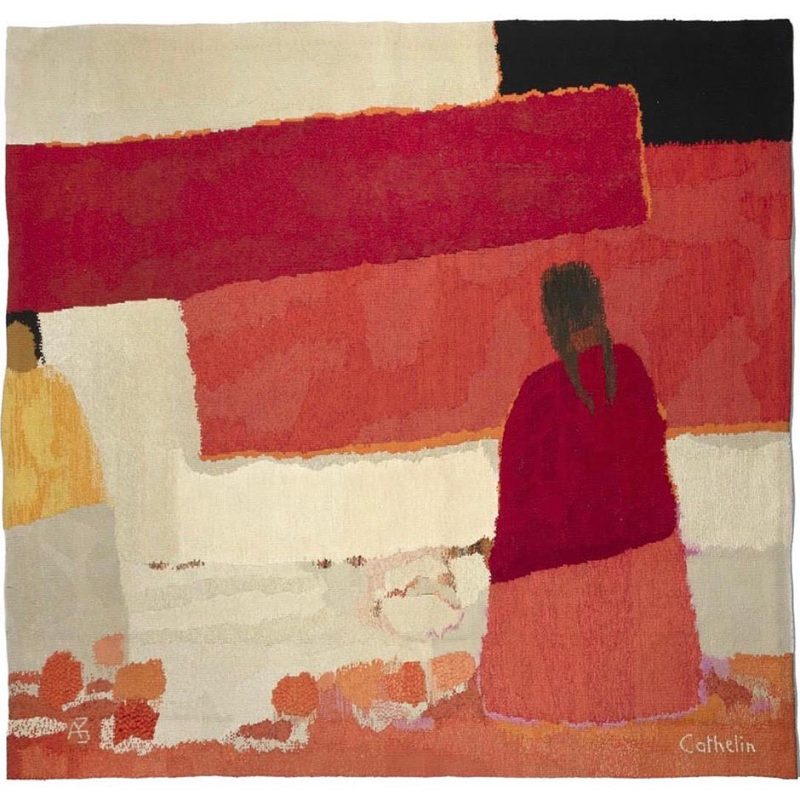
In July 1973, Cathelin commissioned Atelier 3 to execute his first tapestry, The Mexican Market. This marked the beginning of an exclusive, decades-long collaboration that redefined the boundaries between painter and weaver. Cathelin and the founders of Atelier 3—Frédérique Bachellerie and Péter Schönwald—became a “homogenous entity.”
Following the strict philosophy of the workshop, these tapestries were created without the use of pre-marked “diagrams” or cartoons. Instead, the weavers worked from the front of the loom, directly interpreting Cathelin’s original paintings in real-time. This manual, interpretive method allowed the artisans to capture the “richness, intensity, and vitality” of Cathelin’s brushwork with a precision that factory-style weaving could never achieve.
A Timeless Contribution to Modern Art
Today, under the impetus of Didier Marien and Boccara, Atelier 3 continues to produce tapestries from Cathelin’s legendary designs, ensuring his vision remains a living part of the contemporary art world. His works are held in prestigious collections globally, representing a “Venetian universe” where simplicity meets profound emotional depth. Through these woven editions, Cathelin’s legacy of global exploration and poetic reality is preserved in a monumental, tactile format that resonates with both collectors and museums alike.