
Jean Lurçat
Boccara artwork selection by Didier Marien
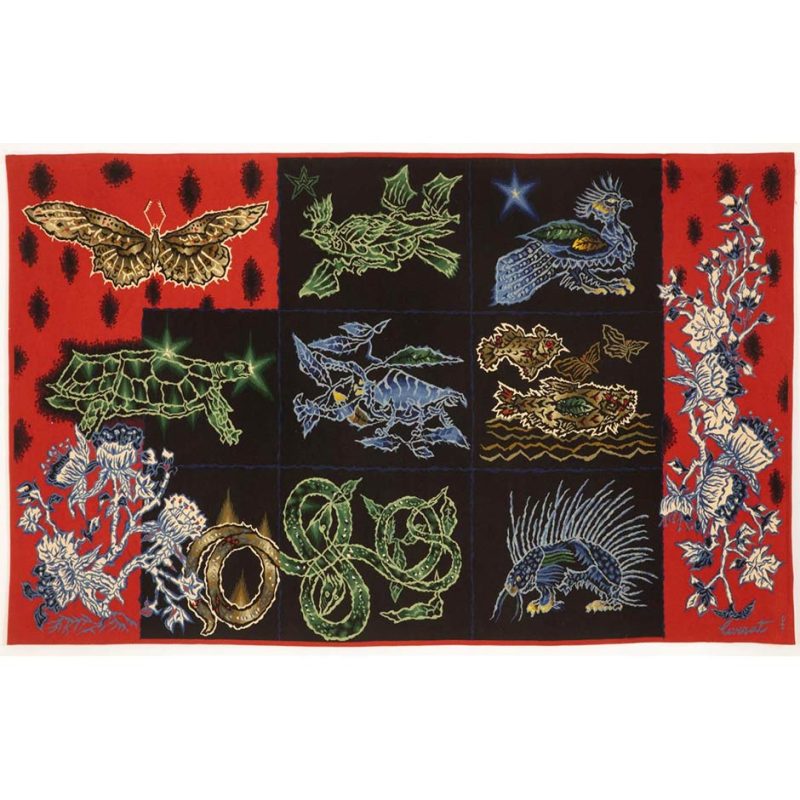
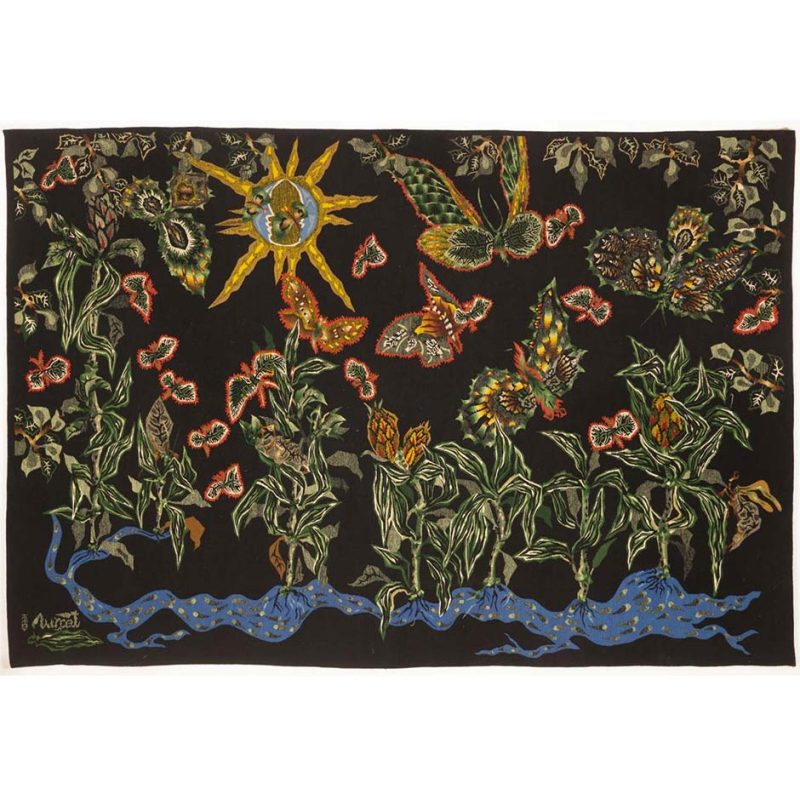
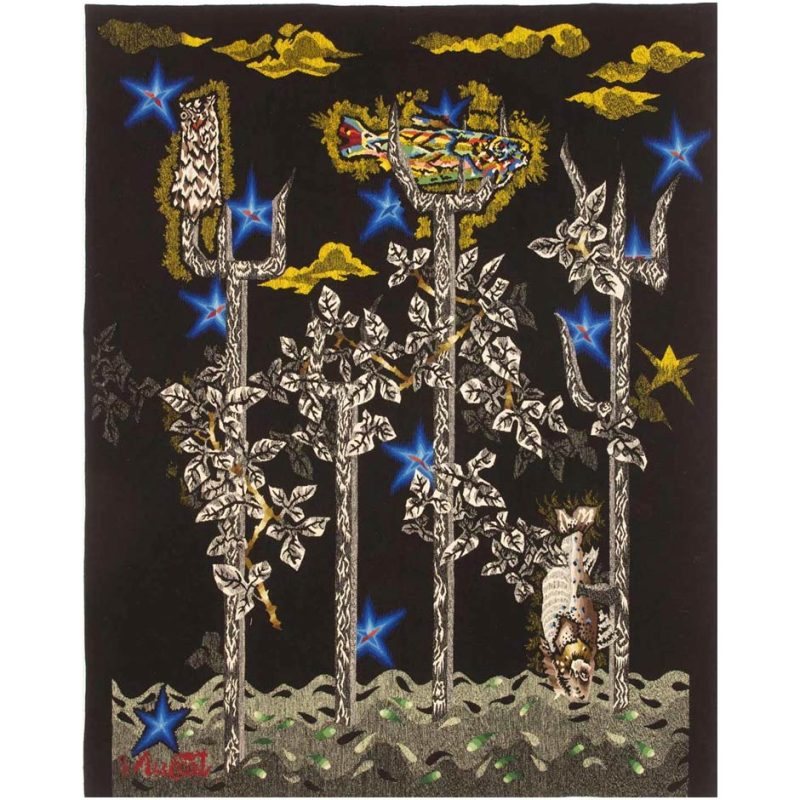
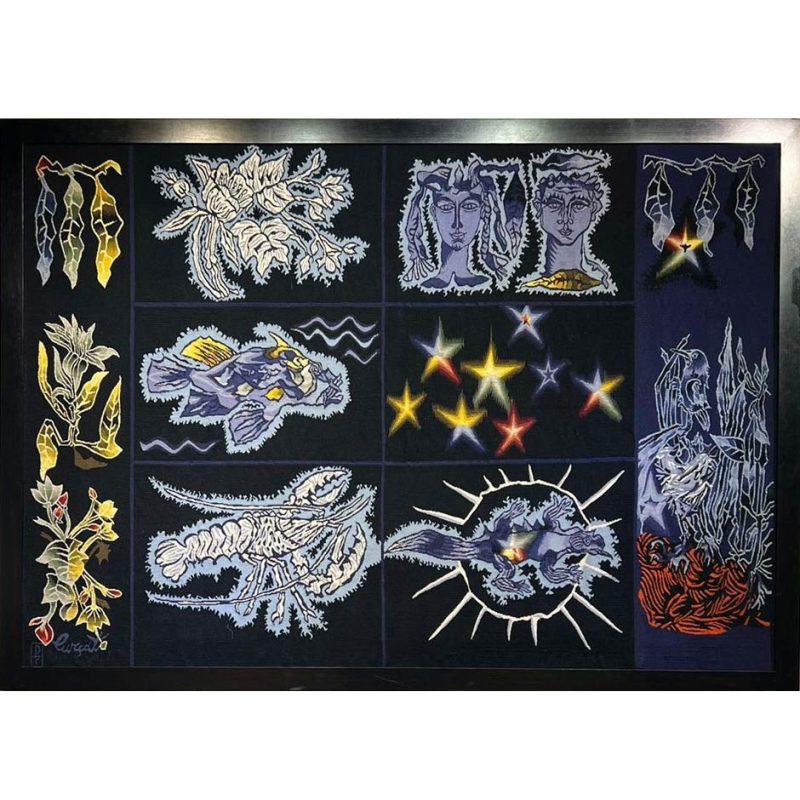
Works by Jean Lurçat in the Boccara Collection


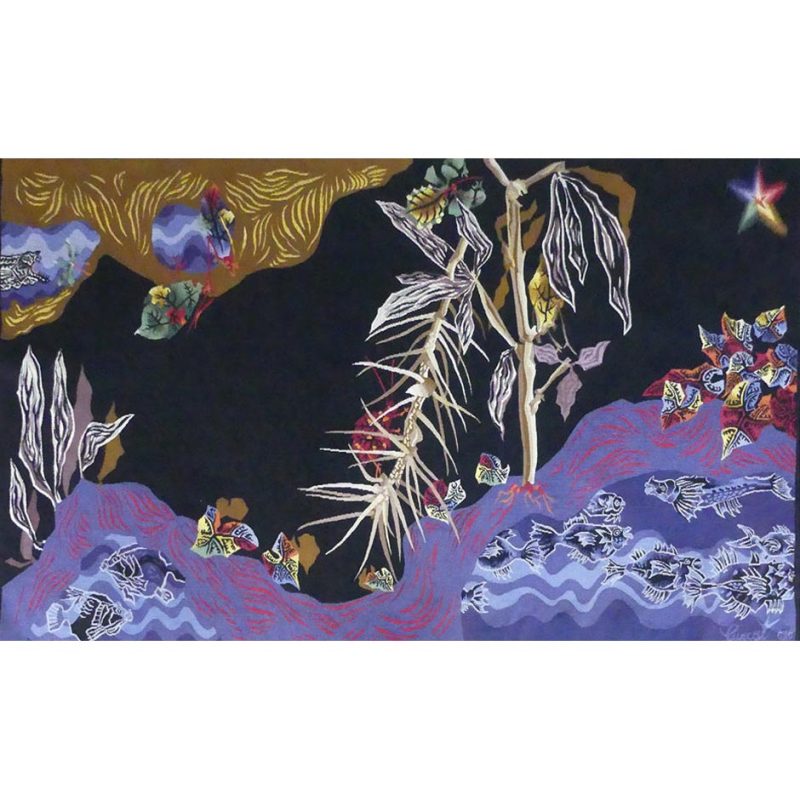
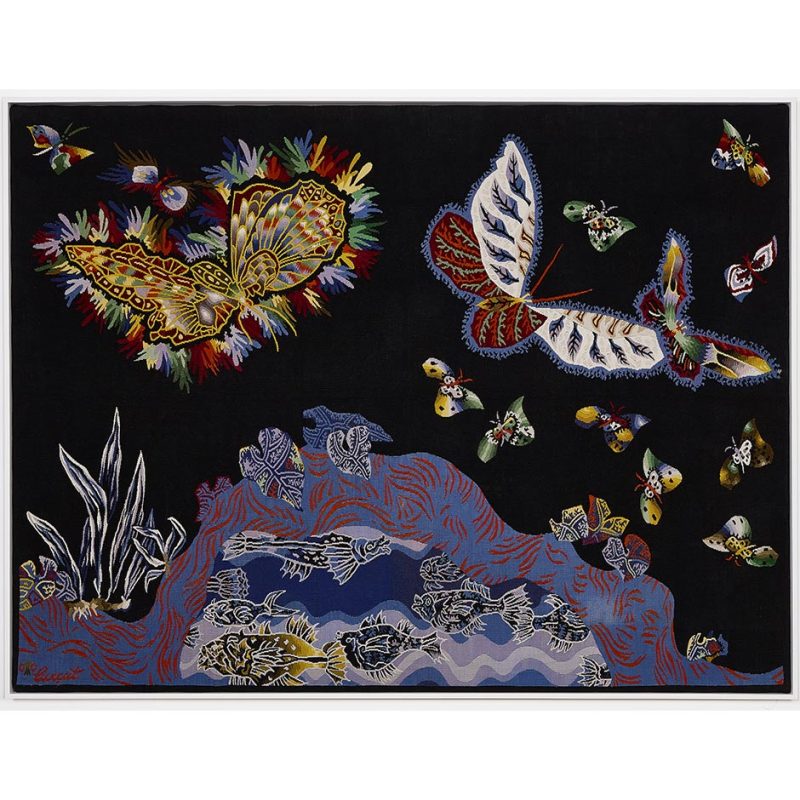
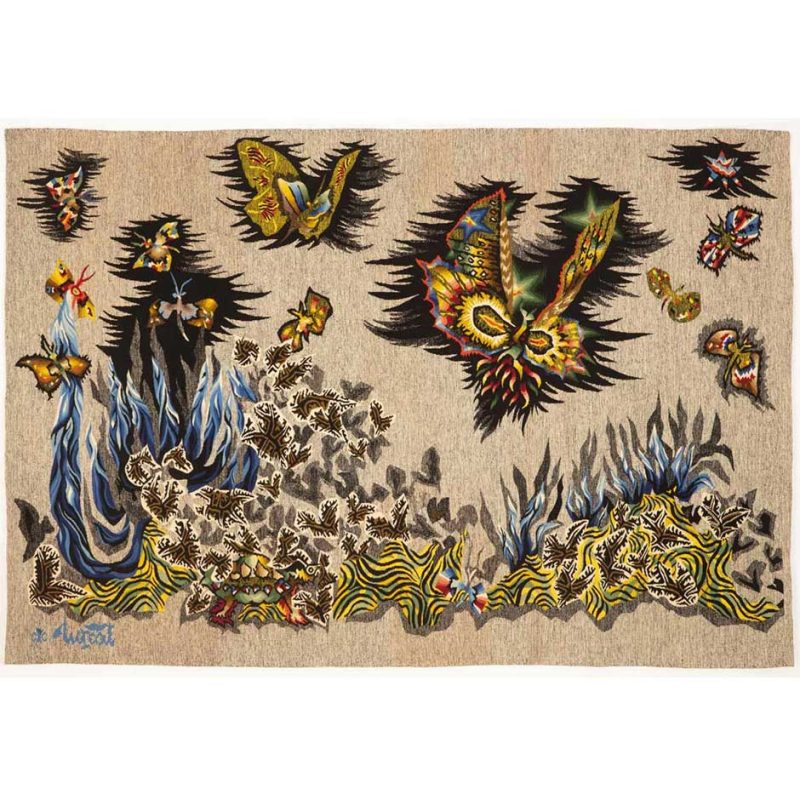

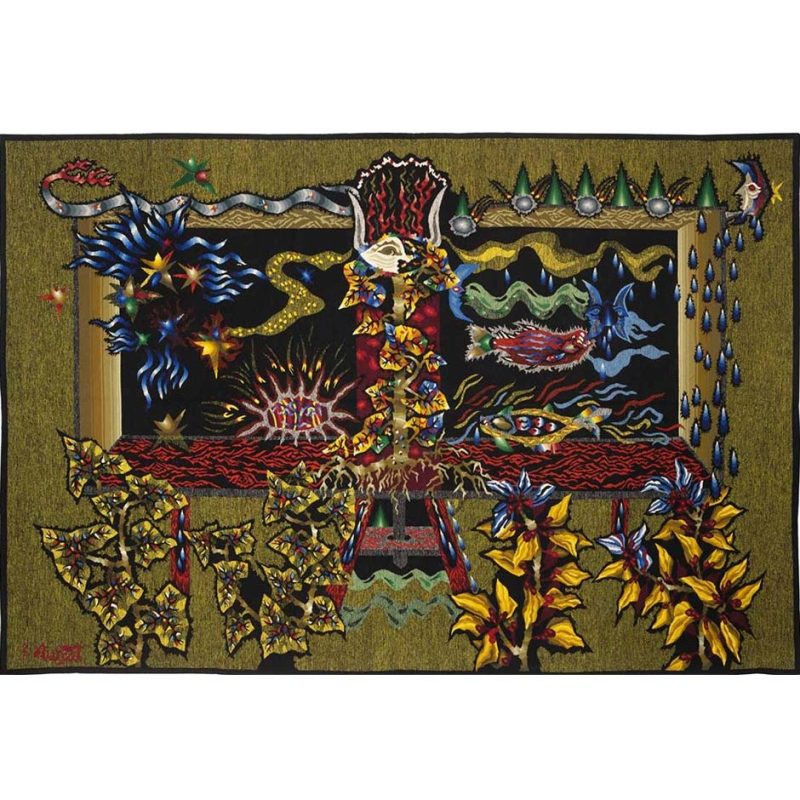

ORIGINS & VISION
About the Artist
The Birth of the Lurçat Revolution
Jean Lurçat (1892–1966) began his journey as a painter, but his true legacy was born in the trenches of the First World War and matured during the artistic ferment of the 1930s. He realized that for tapestry to survive as a modern art form, it had to stop trying to imitate the fine gradations of oil painting. Lurçat advocated for a return to the “architectural” roots of the medium—using a limited palette of robust colors and bold, simplified forms. His breakthrough led to a lifetime of creation that merged the tactile heritage of the Middle Ages with the surrealist and symbolist currents of his own time.
Technical Mastery and the Numbered Cartoon
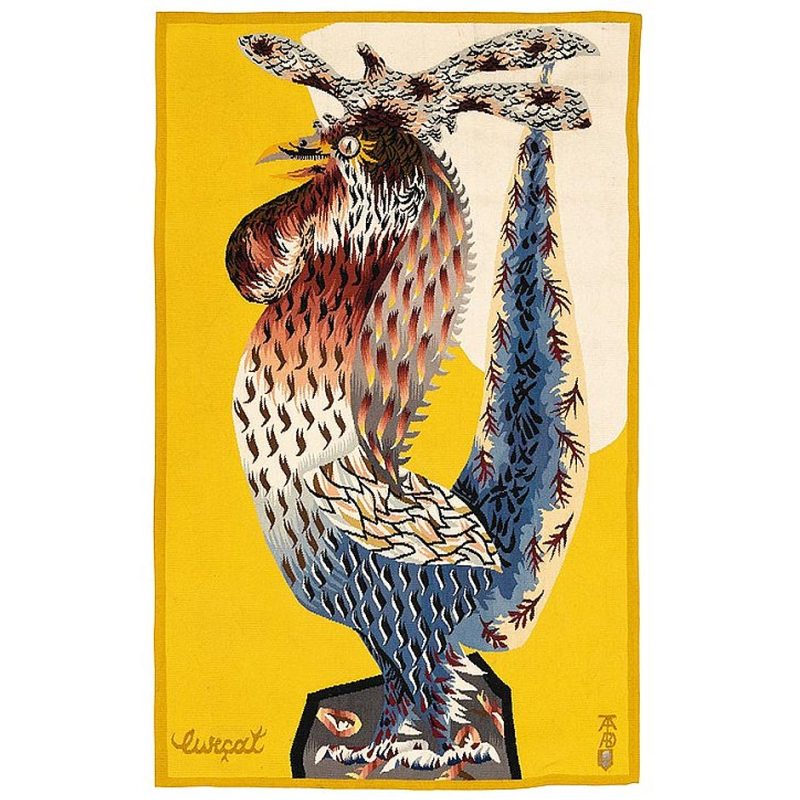
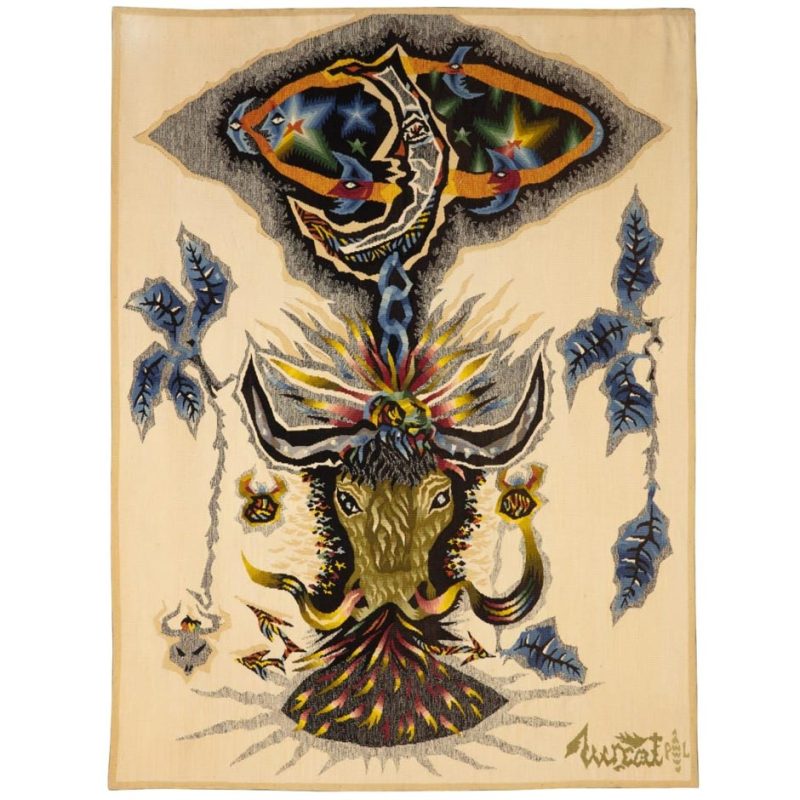
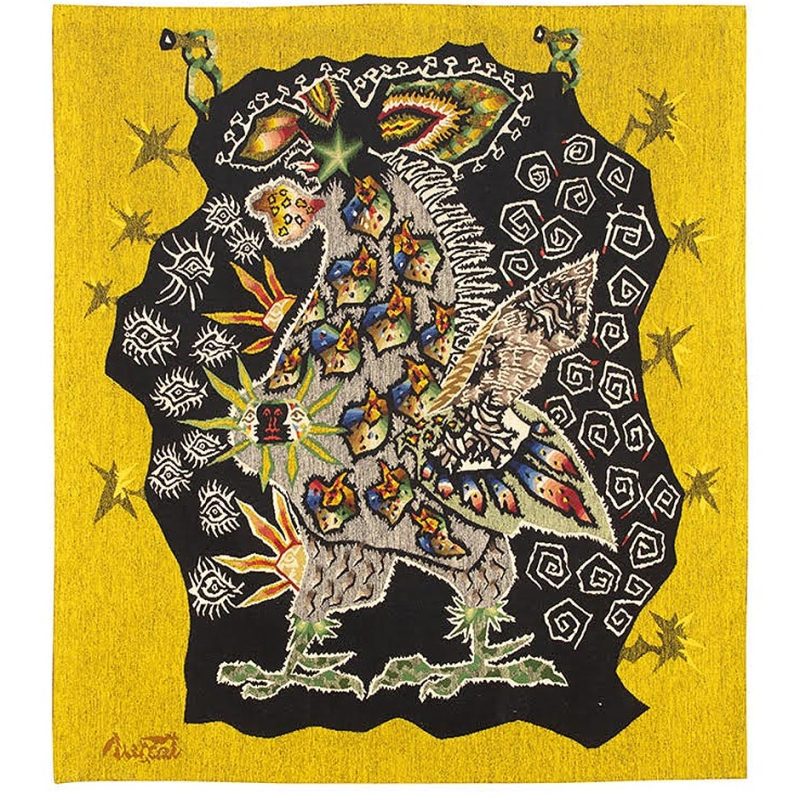
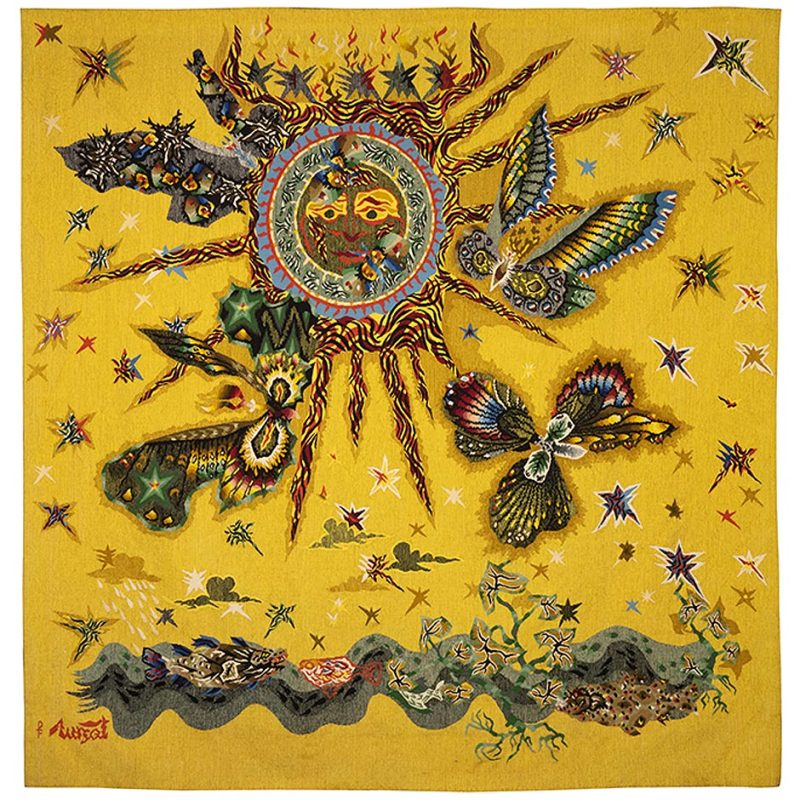
The genius of Lurçat lay in his ability to bridge the gap between the artist’s studio and the weaver’s loom. He pioneered the use of the carton numéroté (numbered cartoon), a system where colors were designated by specific numbers rather than painted nuances. This innovation allowed master weavers to focus on the structural integrity and texture of the work, ensuring a clarity of design that remained consistent across large scales. This technical rigor was paired with a sprawling, mythological iconography where roosters, suns, and celestial maps became recurring symbols of hope, resilience, and the interconnectedness of all living things.
A Fusion of Art and Poetry
Lurçat’s tapestries were rarely silent; they were deeply integrated with the literary avant-garde of his era. A close associate of poets such as Paul Éluard, Louis Aragon, and Tristan Tzara, he often wove their verses directly into the narrative of his compositions. This fusion of the written word and the woven thread amplified the emotional resonance of his work, turning each tapestry into a powerful statement on the human condition. His global influence eventually stretched from the historic workshops of Aubusson to artistic centers in Mexico and Chile, solidifying his reputation as a truly international master of modern art.
The Boccara Connection: A Serendipitous History
The presentation of Jean Lurçat’s work at the Boccara Gallery is a project deeply rooted in personal passion. The director, Didier Marien, has long held a fascination for Lurçat’s humanistic vision, a journey that was significantly deepened through a serendipitous encounter with the artist’s wife, Simone Andrée Marie-Louise Lurçat. This relationship allowed Marien to gain a rare, intimate perspective on the artist’s creative process and philosophy.
Today, this dedication is reflected in the gallery’s exceptional collection, which highlights not only Lurçat’s technical brilliance but his ability to transform a functional object into a medium for social and political commentary. In the hands of Boccara, Lurçat’s legacy continues to captivate, standing as an enduring bridge between the ancient traditions of French craftsmanship and the dynamic energy of contemporary design.