
Albert Gleizes
Boccara artwork selection by Didier Marien
Works by Albert Gleizes in the Boccara Collection

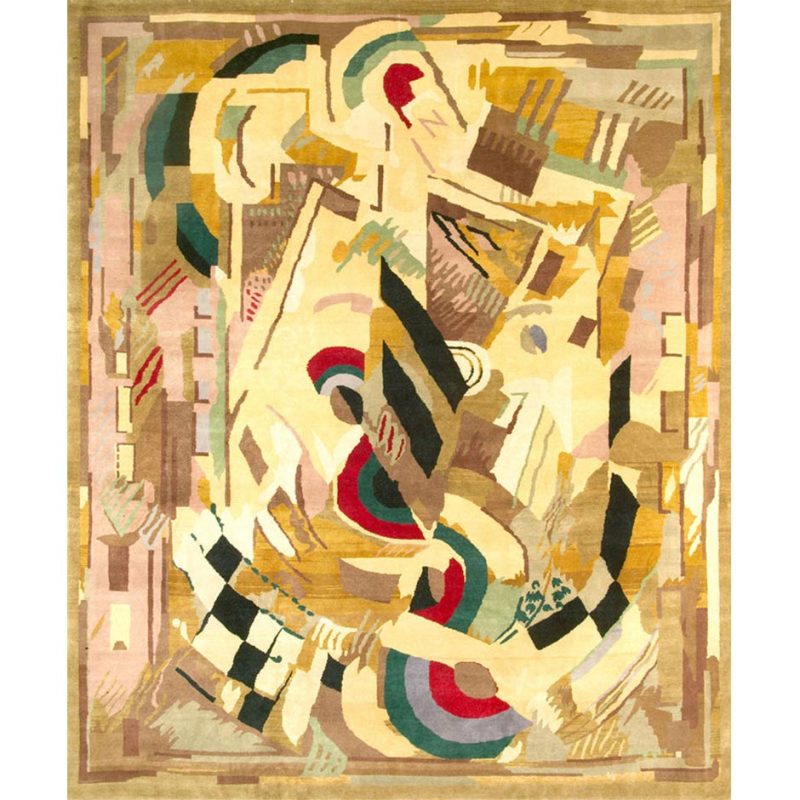
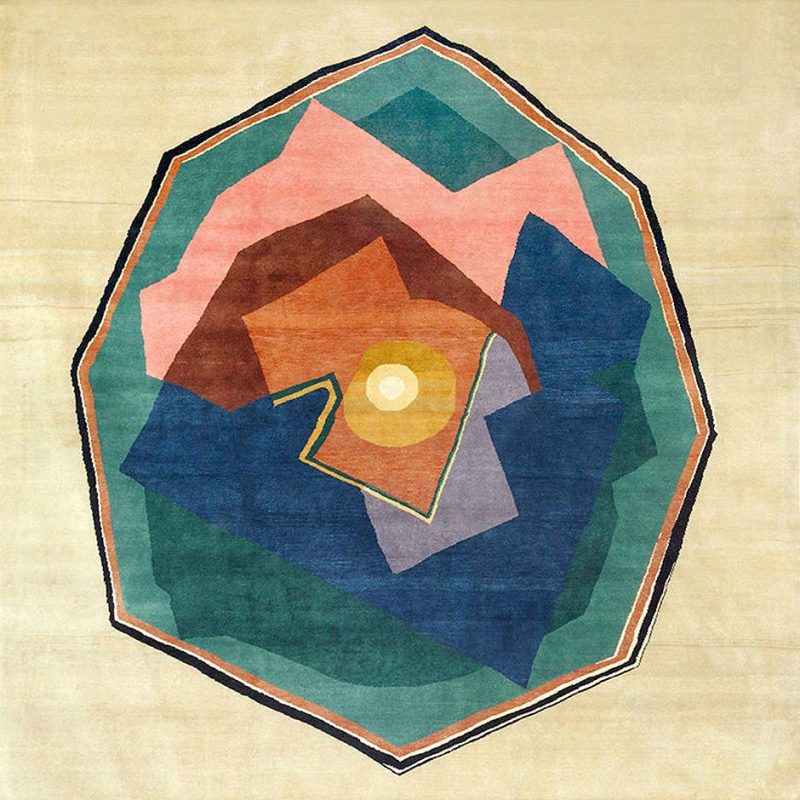


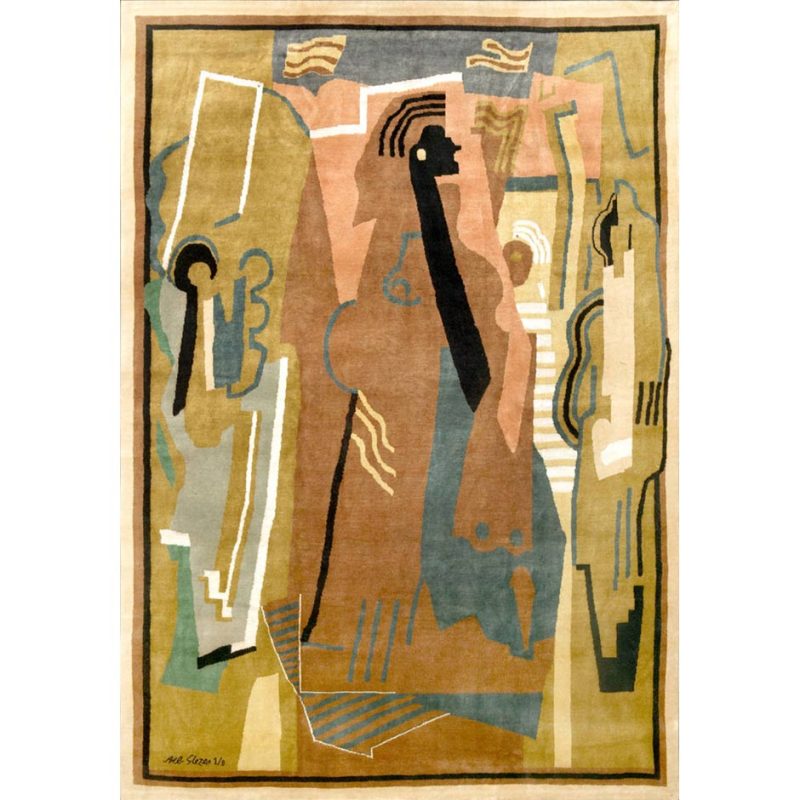
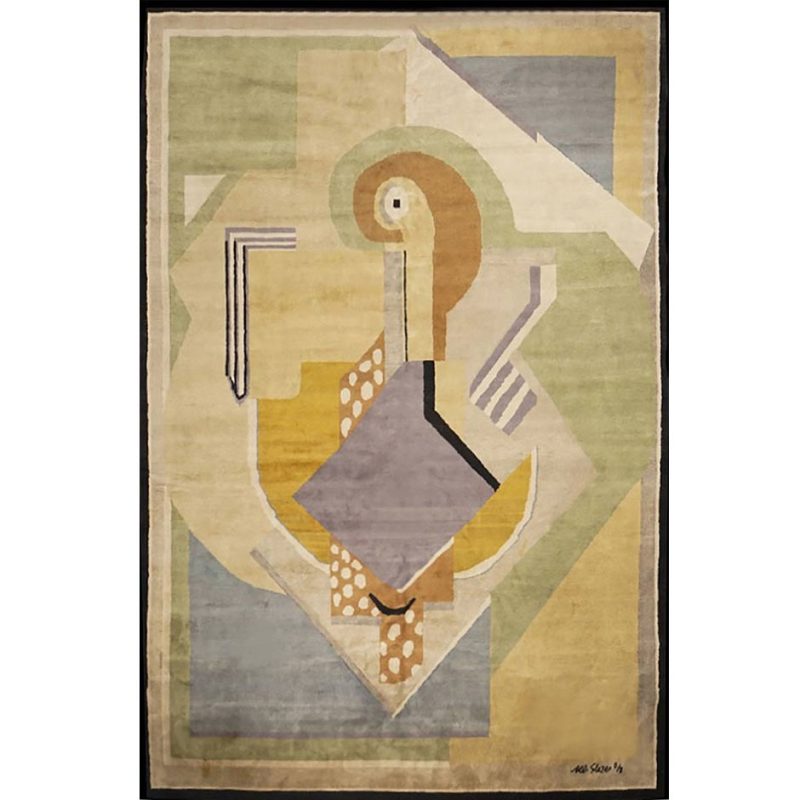

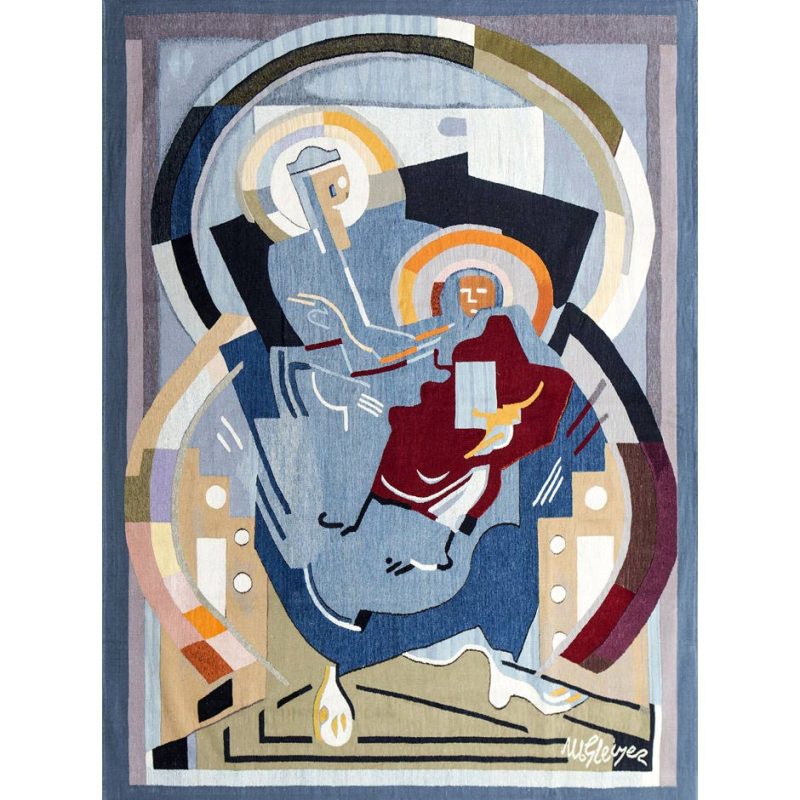

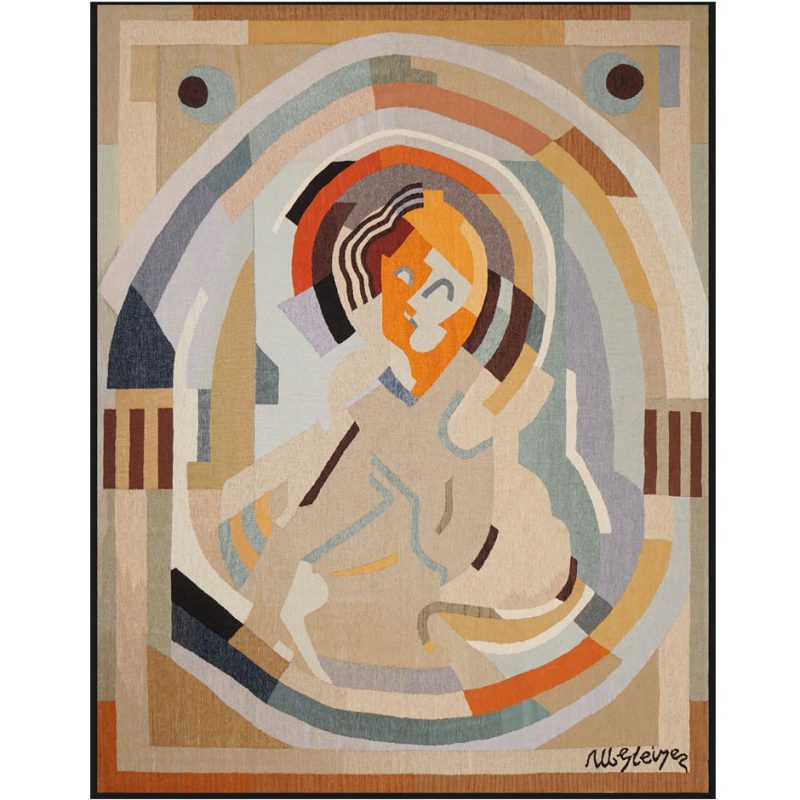
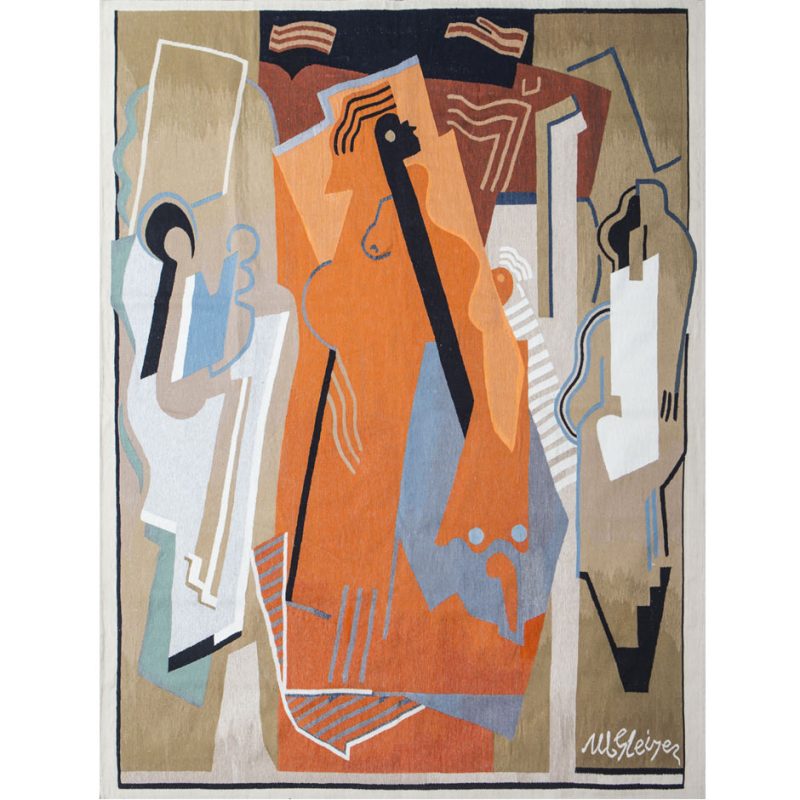
ORIGINS & VISION
About the Artist
Albert Gleizes: Architect of the Cubist Movement
Albert Gleizes (1881–1953) was far more than a practitioner of Cubism; he was its primary philosopher and structural architect. Alongside Jean Metzinger, he authored the 1912 landmark treatise Du “Cubisme”, the first major theoretical text on the movement. Gleizes viewed Cubism not merely as a style, but as a biological evolution of art—a way to capture the “mobile” nature of reality. While peers like Picasso focused on the fragmentation of objects, Gleizes sought a totalizing order, using broad, overlapping planes to represent the rhythmic energy of the modern world.
A Global Vanguard: From Paris to New York
Gleizes’s influence was remarkably expansive, bridging the gap between the Parisian Section d’Or and the German Der Sturm and Bauhaus circles. His four-year residency in New York City proved transformative, as he became a vital conduit for European modernism in America. Throughout his career, Gleizes maintained that art should reflect the “frenetic rhythm” of contemporary life—the pulse of machinery, the speed of travel, and the geometric clarity of urban architecture.
Rhythmic Harmony and the “Translation” of Form
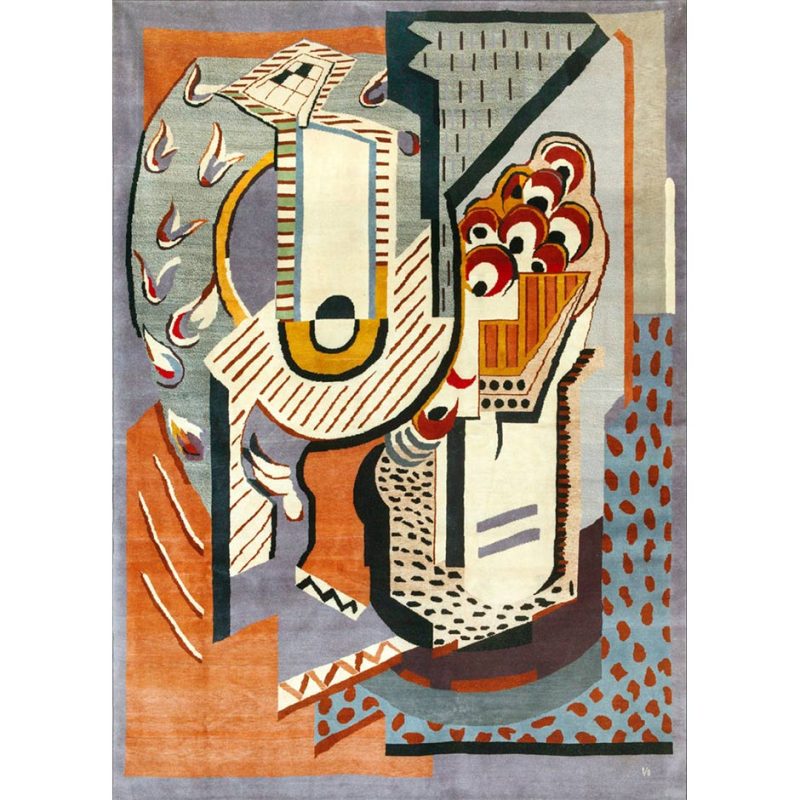
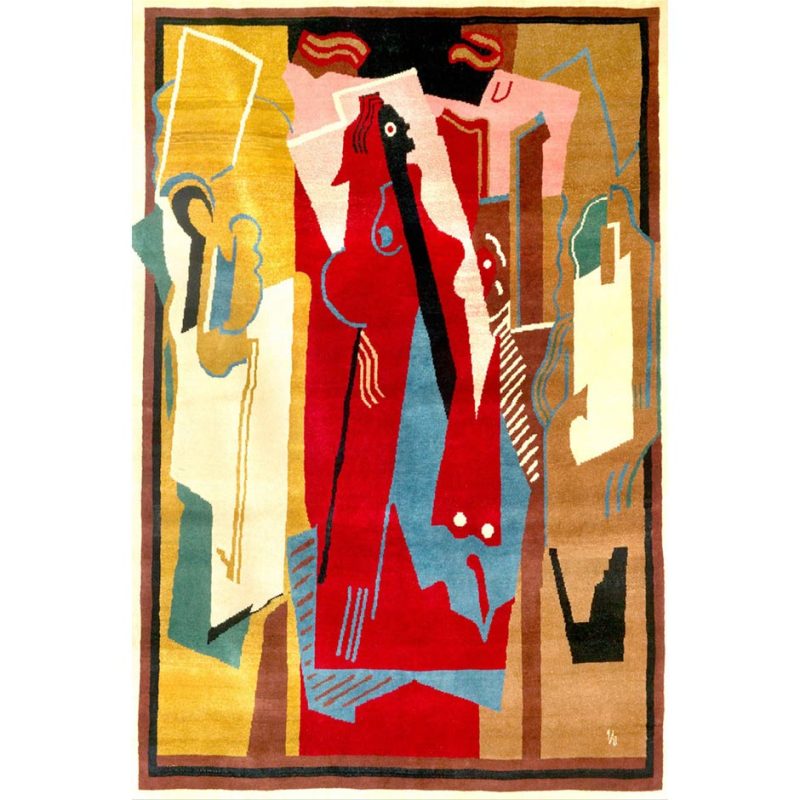
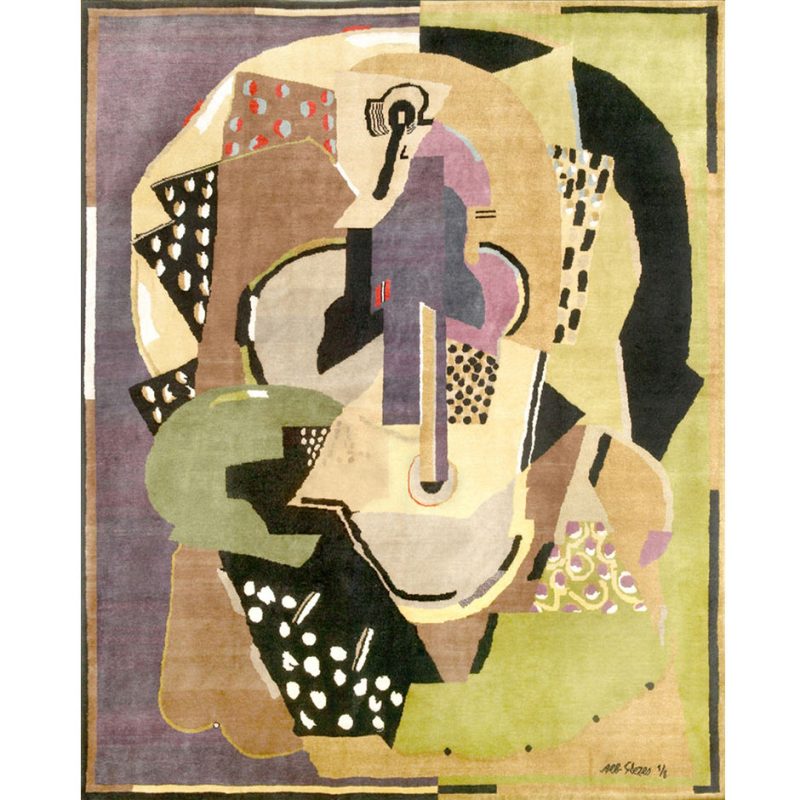
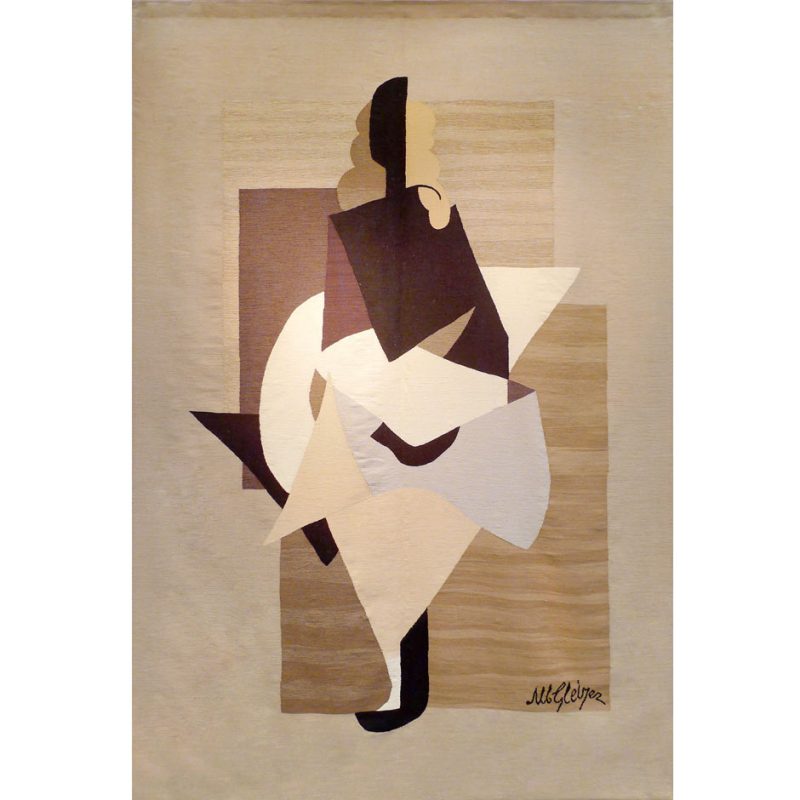
By the 1920s, Gleizes’s work shifted toward a more refined, spiritual abstraction. He began exploring “translation and rotation”—a method where forms move and pivot across the canvas to create a sense of internal music. This period saw the introduction of circular rhythms and cadenced compositions, moving away from strict figuration toward a universal harmony. It is this specific era of his work that translates so seamlessly into the medium of art textiles; his emphasis on structural balance and vibrant, flat planes of color finds its natural conclusion in the architectural weight of a woven rug or tapestry.
Legacy of Theory and Community
Beyond the easel, Gleizes was a prolific writer and a social visionary. His later years were dedicated to exploring the intersection of art and craft, leading to the publication of influential works such as La Peinture et ses lois (1923) and Homocentrisme (1937). He even founded the Moly-Sabata artists’ community, which sought to reintegrate art into daily life through manual labor and craftsmanship.
This dedication to the “integrity of the object” is what makes his collaboration with Boccara and the Gleizes Foundation so poignant. As Guillaume Apollinaire famously noted, Gleizes’s art is defined by a “greatness” that awakens the imagination through simple, yet profound, figurative means. Today, his limited-edition rugs and tapestries allow collectors to experience that monumental greatness in a tactile, three-dimensional form.