
Antique European Tapestries at Boccara New York
Where to Find Exceptional Antique Tapestries in Manhattan
For more than five centuries, Europe’s finest tapestries have adorned royal palaces, grand estates, museums, and the world’s most distinguished private collections. Handwoven by master artisans, they represent the highest achievement of artistic craftsmanship, combining historical significance, extraordinary technical mastery, and timeless beauty.
At Boccara New York, we are proud to present one of the world’s foremost collections of museum-quality antique European tapestries. Every work is selected according to the highest standards of authenticity, rarity, provenance, artistic importance, and state of preservation.
Our collection encompasses the greatest weaving traditions of Europe, from the celebrated workshops of Brussels, Tournai, Antwerp, Aubusson, Beauvais and the Gobelins to magnificent Renaissance masterpieces and exceptional Louis XIV, Louis XV and Louis XVI tapestries.
Far more than decorative works, antique tapestries are enduring works of art. Their remarkable scale, rich textures, vibrant colours, and historical narratives create interiors of exceptional elegance while preserving an irreplaceable cultural heritage.
For more than fifty years, Boccara has earned an international reputation for excellence, discretion, and expertise. Our specialists advise collectors, interior designers, museums, architects, and institutions worldwide, combining decades of scholarship with rigorous research into provenance, authenticity, and historical significance.
Whether you are building an important collection, furnishing a distinguished residence, or searching for a unique masterpiece, we invite you to discover a collection where history, craftsmanship, and beauty unite in their finest expression.

Metropolitan Museum of Art, New York
New York City: A Global Destination for Antique Tapestries
New York City has long been one of the world’s foremost destinations for collectors of antique tapestries and decorative arts. The city’s museums, galleries, collectors, and major art fairs have made it an international center for the appreciation of historic European textiles.
Among these institutions, The Metropolitan Museum of Art houses one of the world’s most important collections of antique European tapestries. Its celebrated holdings include masterpieces from the great Flemish weaving centers of Brussels and Tournai, as well as exceptional French productions from the Gobelins, Beauvais, and Aubusson manufactories, offering visitors a remarkable overview of more than five centuries of tapestry history.
Just a short distance from the museum, Boccara Gallery, located at 303 Fifth Avenue, continues this tradition by presenting museum-quality antique tapestries available to private collectors, designers, and institutions. The gallery has become a recognized destination for those searching for exceptional antique tapestries in New York.
Boccara also participates each year in The Winter Show, America’s leading art, antiques, and design fair, while regularly exhibiting at prestigious international events including Treasure House Fair London and Fine Arts Paris & La Biennale at the Grand Palais. These exhibitions reflect the gallery’s ongoing commitment to the international market for museum-quality historic textiles.
French and Flemish Antique Tapestries: Europe’s Greatest Weaving Traditions
Commissioned by royal courts, noble families, and religious institutions, these monumental works transformed castles, palaces, and grand residences into immersive artistic environments.
Boccara Gallery specializes in the great French weaving traditions, including masterpieces from the Gobelins, the early Paris workshops, Beauvais, and Aubusson, each renowned for its technical excellence, artistic sophistication, and rich narrative compositions.
Alongside these French masterpieces, the gallery also presents exceptional Flemish tapestries woven in the renowned ateliers of Brussels, Bruges, Tournai, and Antwerp. These workshops dominated European tapestry production during the Renaissance and Baroque periods, creating some of the most important textile masterpieces ever produced.
A carefully selected group of antique rugs—including rare Savonnerie and Aubusson carpets—complements the collection, illustrating the remarkable diversity of Europe’s historic textile traditions.

Sculpture depicting a tapestry weaver and a low-warp loom.

From Royal Commissions to Timeless Works of Art
Beyond their artistic prestige, antique tapestries played an essential role in shaping Europe’s greatest interiors. More than decorative furnishings, tapestries formed an integral part of architecture, transforming walls into monumental narratives celebrating mythology, religion, history, and political power.
At the same time, the great French carpet manufactories developed extraordinary floor coverings whose intricate medallions, scrolling foliage, floral ornament, and sculptural textures rivaled the finest painted decoration of their age.
Handwoven in wool, silk, and occasionally enriched with precious metallic threads, these masterpieces embody both exceptional craftsmanship and remarkable artistic ambition. Today they continue to captivate collectors through their historical significance, decorative impact, and extraordinary technical refinement.

The Boccara Legacy
The history of Boccara Gallery began in the 1950s with Dario and Jacqueline Boccara, whose passion for antique tapestry quickly evolved into a lifelong commitment to the study and preservation of historic textiles.
Their contribution extended far beyond collecting. In 1971, Dario Boccara published Les Belles Heures de la Tapisserie, an important reference work devoted to the history of European tapestry. Jacqueline Boccara later continued this scholarly tradition with Âmes de laine et de soie, a richly illustrated volume exploring the evolution of tapestry from the medieval period through the classical French ateliers.
These publications helped establish Boccara as a respected authority in the field and continue to reflect the gallery’s philosophy today: combining historical knowledge, artistic sensitivity, and rigorous expertise.

Didier Marien: Continuing a Tradition of Scholarship
As a member of The European Chamber of Expert-Advisors in Fine Art, Didier Marien brings his expertise and in-depth knowledge of historic textiles to collectors seeking to acquire or sell exceptional antique tapestries. He advises both buyers and sellers, providing informed guidance on authenticity, provenance, historical significance, condition, and market relevance.
This expertise is rooted in more than three decades at the helm of Boccara Gallery. In the early 1990s, Didier Marien independently acquired the gallery with the ambition of continuing and expanding its remarkable legacy.
Originally from the Aubusson region, the historic birthplace of French tapestry weaving, he developed an early fascination with textile art and its history. Over the following decades, he built an extensive body of research devoted to antique tapestries, combining archival research, provenance studies, workshop identification, technical analysis, and collaborations with historians, conservators, and leading specialists in historic textiles.
This expertise guides every acquisition, ensuring that each tapestry is carefully evaluated for authenticity, provenance, historical significance, and artistic quality.
Conservation, Research and Responsible Restoration
Every antique tapestry and rug presented by Boccara Gallery undergoes careful examination for authenticity, condition, provenance, and historical significance.
The gallery also advises collectors on conservation, long-term preservation, and responsible restoration. When conservation work is required, Boccara collaborates with trusted restoration specialists whose interventions respect the original materials, weaving techniques, and historical integrity of each work.
This commitment ensures that every tapestry may continue to be appreciated by future generations while preserving its authenticity and cultural value.
Antique Tapestries for Contemporary Interiors
Although centuries old, antique tapestries possess a timeless ability to enrich contemporary interiors. Their monumental scale, extraordinary textures, and historical depth introduce warmth, character, and artistic presence into both classical and modern architecture.
Whether installed in a Manhattan residence, a historic townhouse, a contemporary penthouse, or an institutional collection, these works create a dialogue between heritage and modern design unlike any other art form.
Explore Our Antique Tapestry Collection
-

18th Century Brussels Tapestry Depicting The Marriage of Psyche
-

17th Century Brussels Tapestry Depicting King Louis XII and Anne of Brittany
-
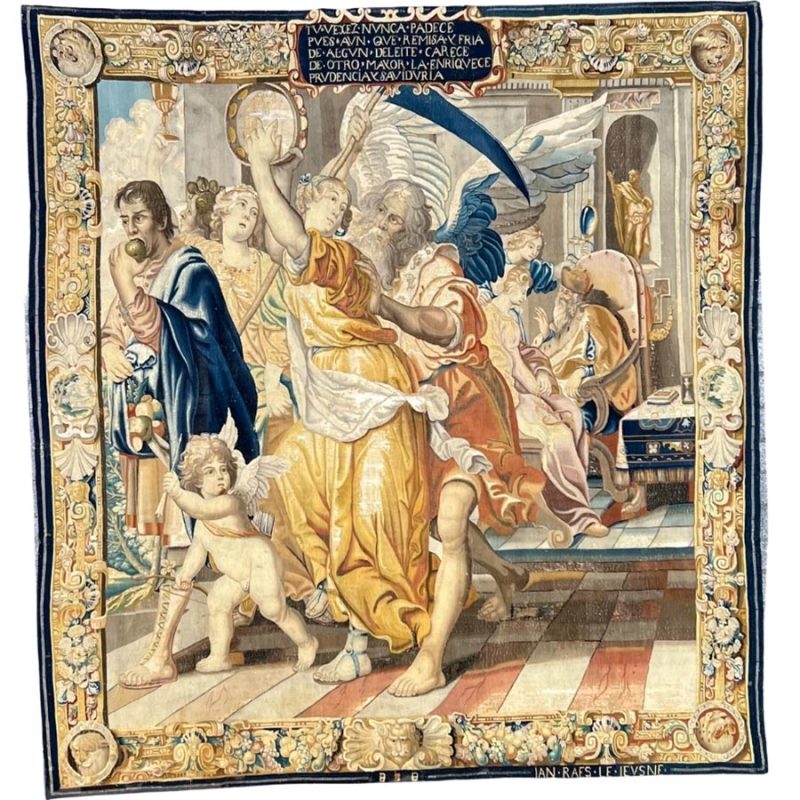
17th Century Brussels Tapestry, Allegory of Time, Wisdom and Human Experience
-
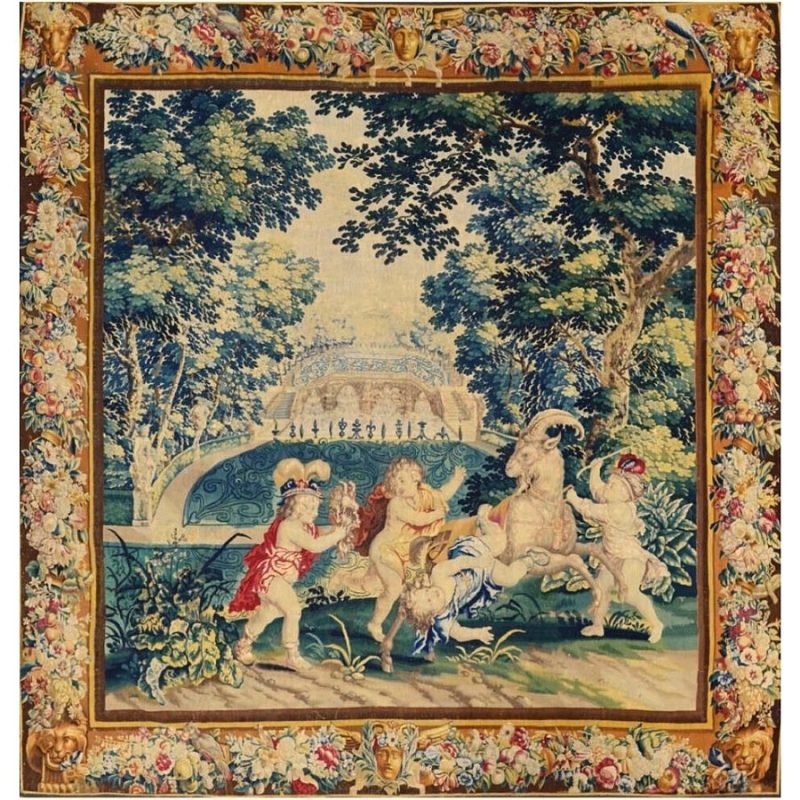
17th Century Brussels Tapestry, Bacchanale d’Enfants (1680)
-
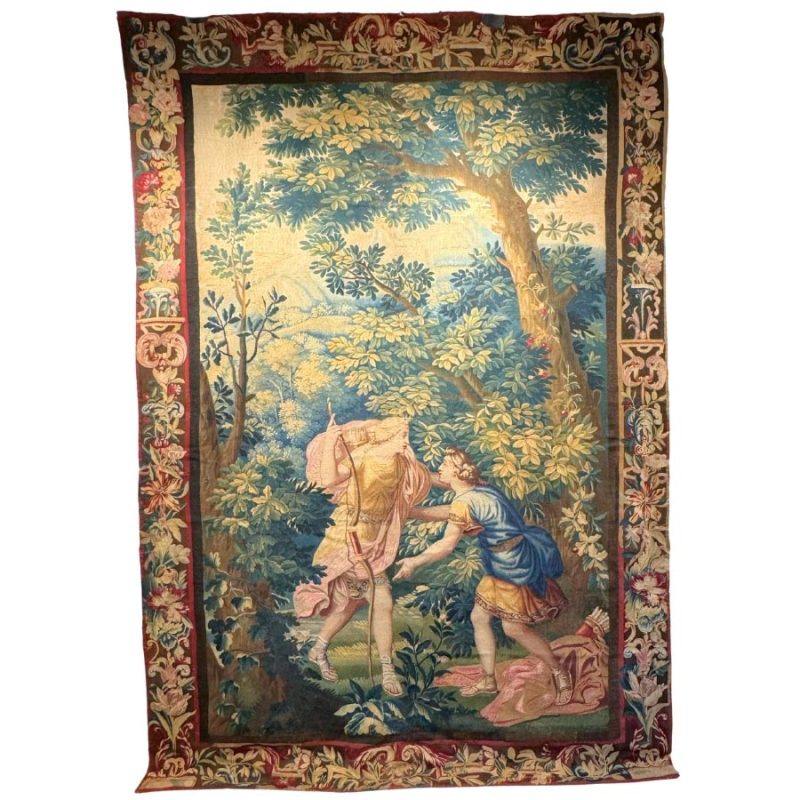
17th Century Brussels Tapestry, History of Diana
-
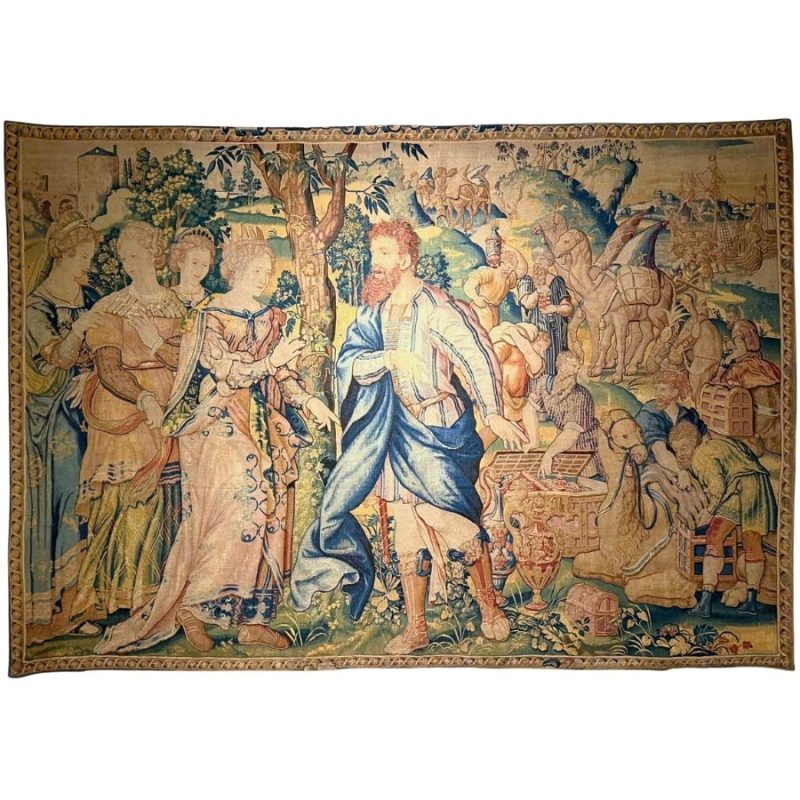
17th Century Brussels Tapestry, History of Solomon
-
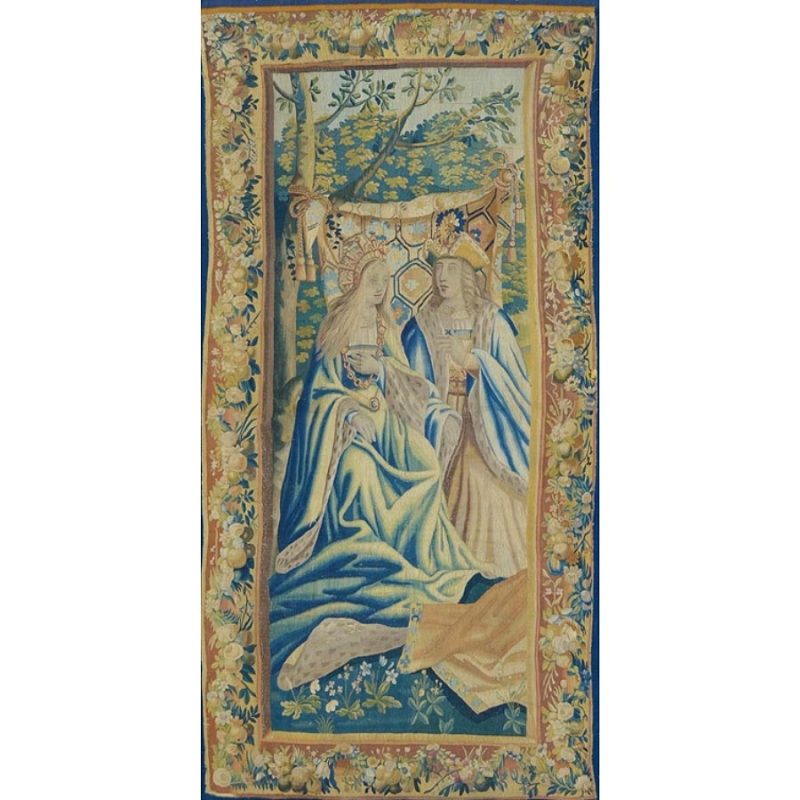
17th Century Brussels Tapestry, King Louis XII and Anne of Brittany (Vertical)
-
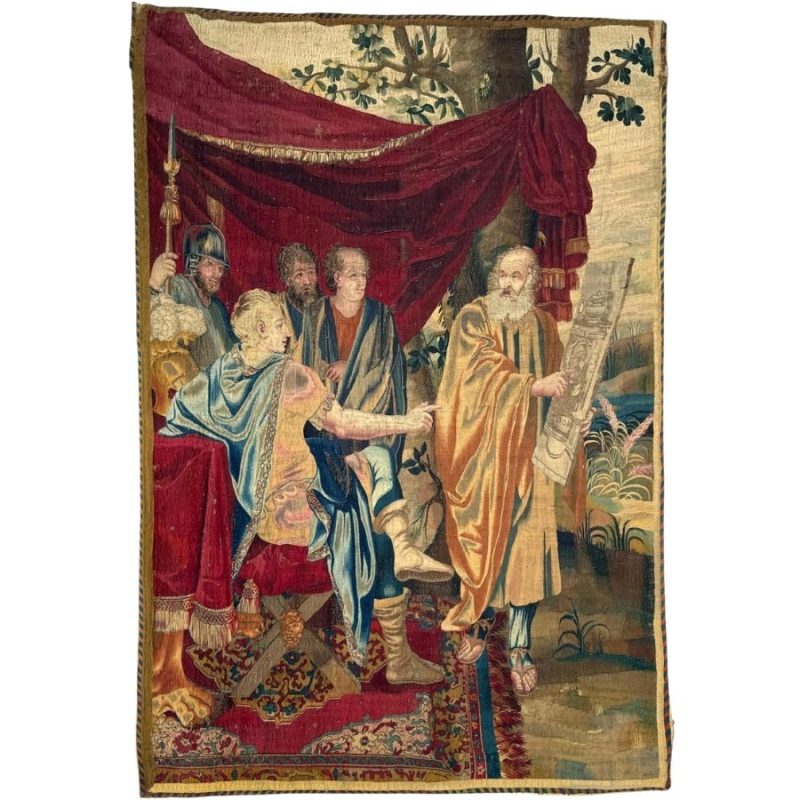
17th Century Paris Tapestry, History of Tancrede and Clorinde
-

17th Century Parisian Tapestry, Psyche’s Sisters Carried by Zephyr
-

18th Century Aubusson Antique Tapestry, Verdure Landscape
-
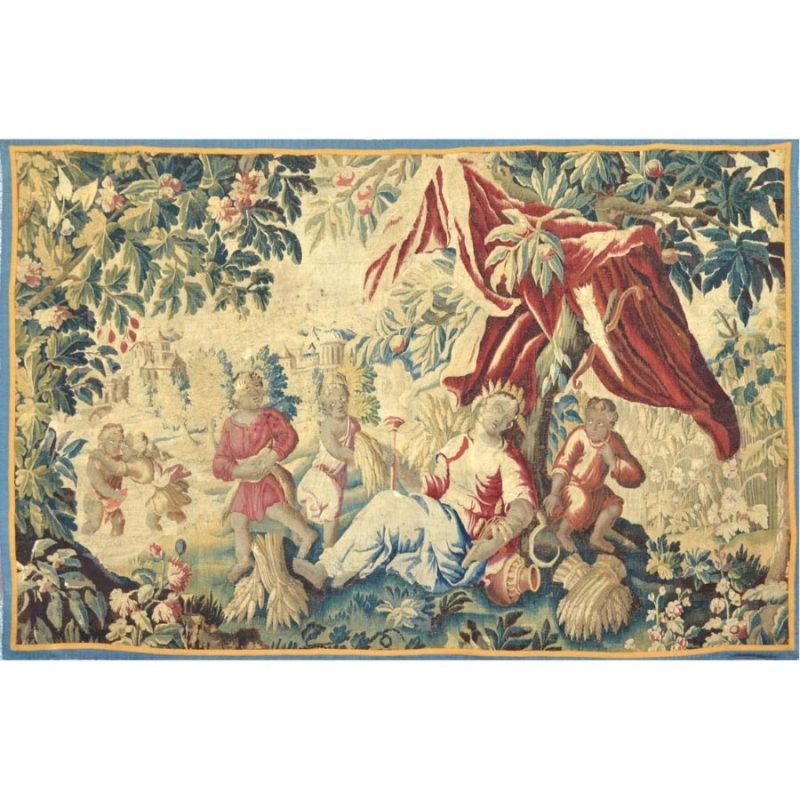
18th Century Aubusson Tapestry, Allegory of Summer (Ceres)
-
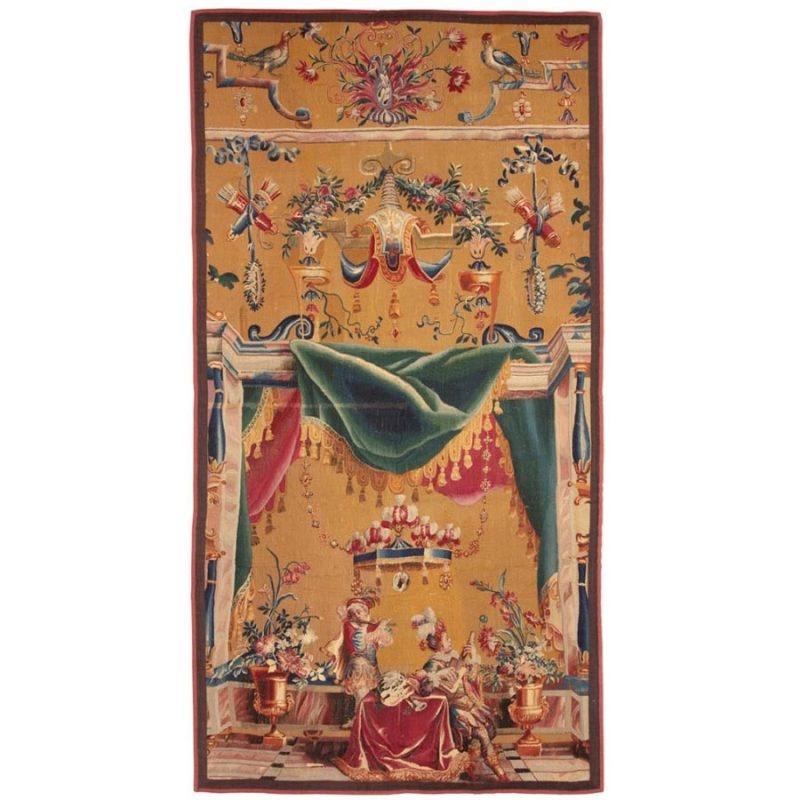
18th Century Beauvais Tapestry, Design after Jean Berain
-

18th Century Brussels Mythological Tapestry
-
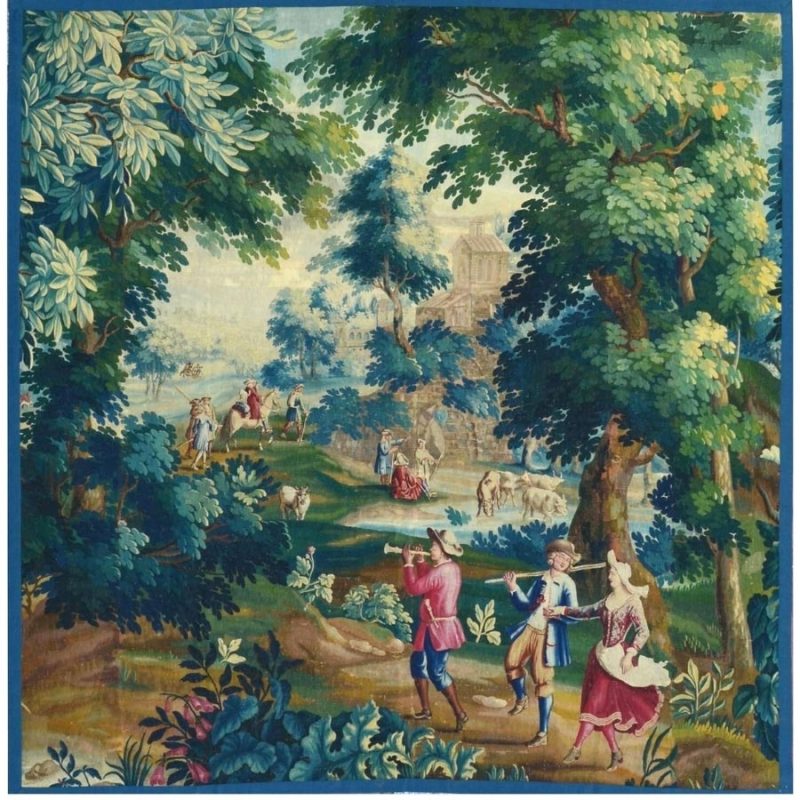
18th Century Lille Antique Tapestry, Pastoral Landscape
-
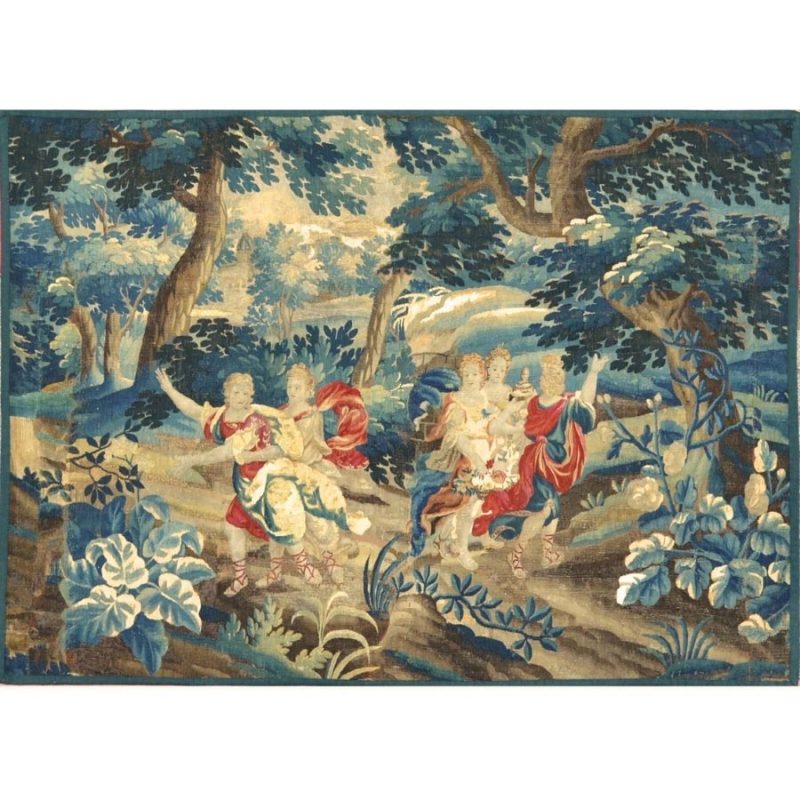
18th Century Lille Antique Tapestry, The Triumph of Flora
-

Late 17th Century Brussels Tapestry Depicting Marc Antony and Cleopatra