Modern Masters Tapestries
Monumental Art in Wool
Modern tapestry transformed the loom into a site of avant-garde innovation. Throughout the twentieth century, leading artists embraced textile as a primary medium, creating works conceived not as decoration but as architectural statements. Working with the historic ateliers of Aubusson, painters and sculptors translated their visual language into wool and silk, allowing bold compositions and monumental scale to enter the woven form. These collaborations redefined tapestry as a modern art practice, bringing the experimental spirit of modernism into dialogue with centuries-old craftsmanship.

A Dedicated Platform for Modern Masters
Recognizing the need to firmly position twentieth-century tapestry within the canon of modern art, Didier Marien established Modern Masters Tapestries as a dedicated platform devoted exclusively to historic woven masterpieces.
For over three decades, Marien has assembled and curated one of the most significant collections of Modern Master tapestries in the world, drawing from works woven primarily in Aubusson and leading Parisian ateliers during the mid- to late-twentieth century revival of the medium. These are not decorative translations of paintings, but autonomous works conceived at architectural scale by artists who viewed tapestry as a primary site of experimentation.
The platform brings together museum-quality tapestries by Jean Lurçat—credited with the revival of modern tapestry—alongside Alexander Calder, Sonia Delaunay, Fernand Léger, Joan Miró, Pablo Picasso, Wassily Kandinsky, Le Corbusier, Victor Vasarely, Man Ray, and other pioneers who redefined textile as a monumental art form. It also reflects Marien’s longstanding commitment to the rediscovery of artists such as Mathieu Matégot, René Perrot, and Marc Saint-Saëns, whose contributions to the movement have been historically overlooked.
Presented at major international fairs including The Winter Show, Design Miami/Paris, and Art Miami, Modern Masters Tapestries positions these works alongside painting and sculpture—asserting their rightful place within the broader narrative of twentieth-century art.
Curated Highlights
Browse our modern tapestry collection
Alexander Calder
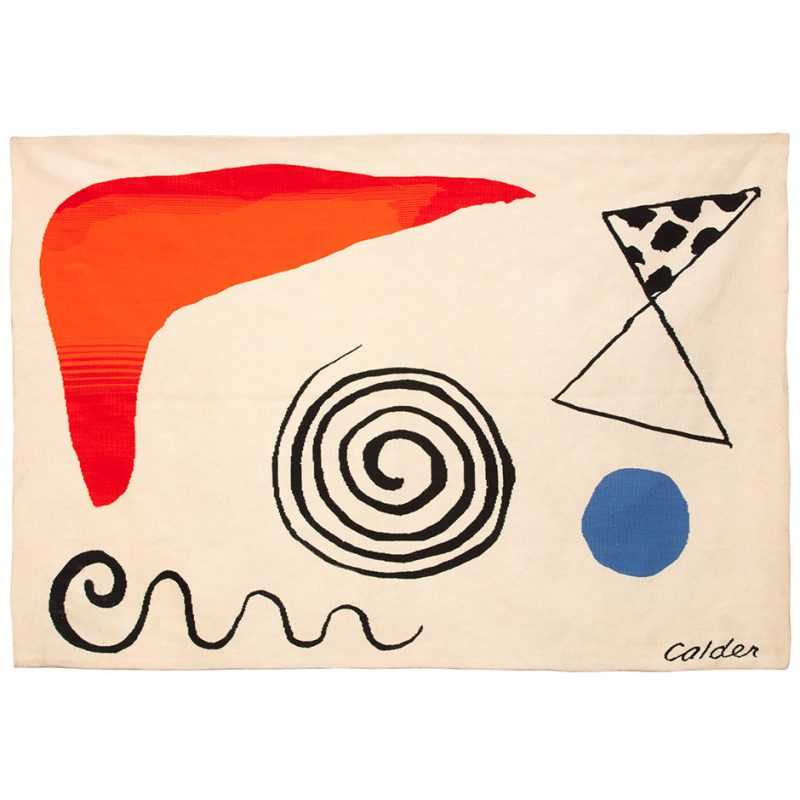
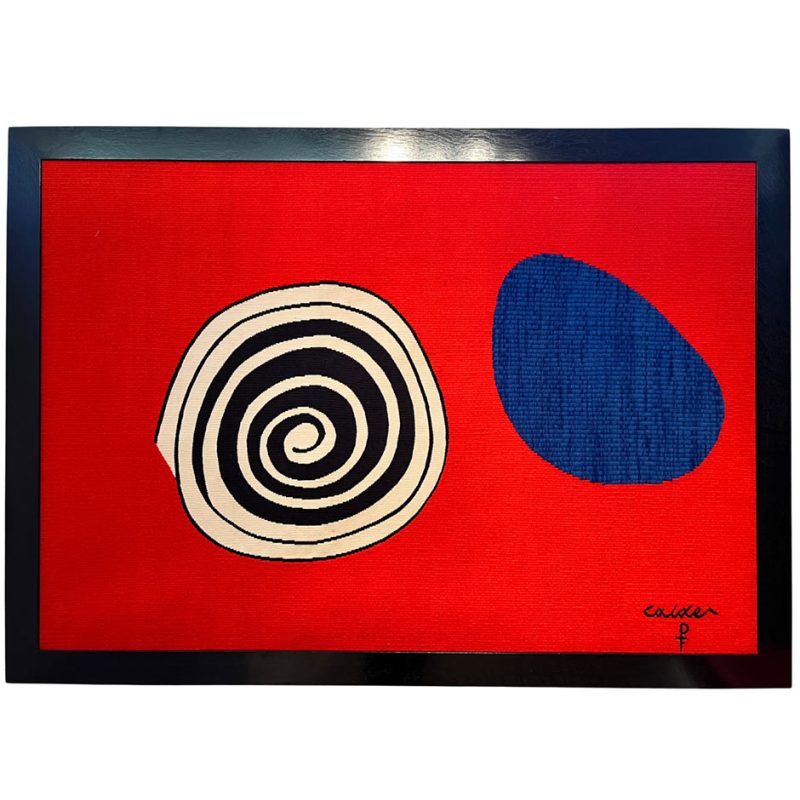
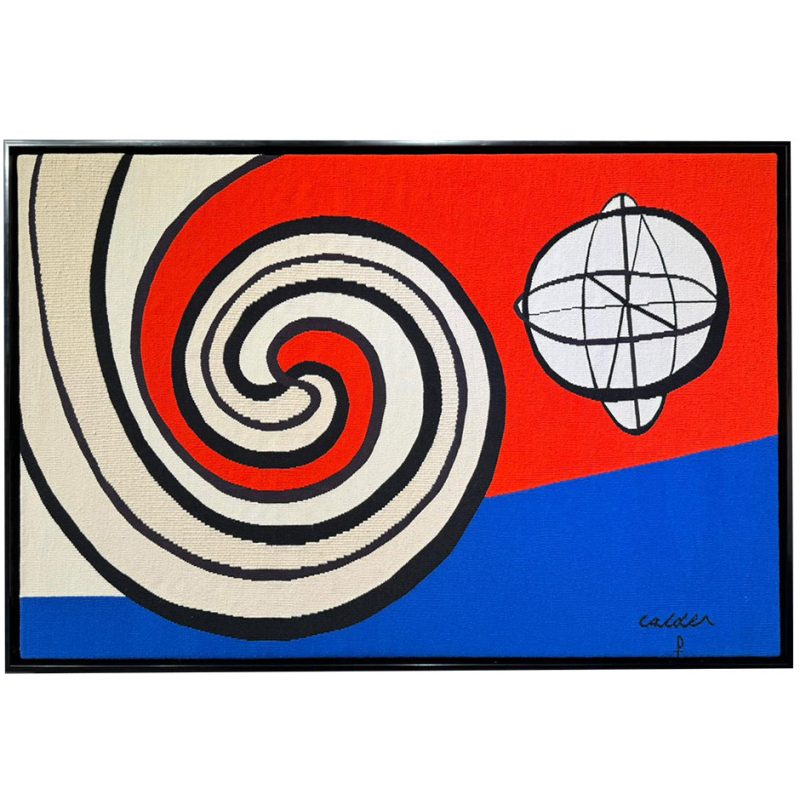
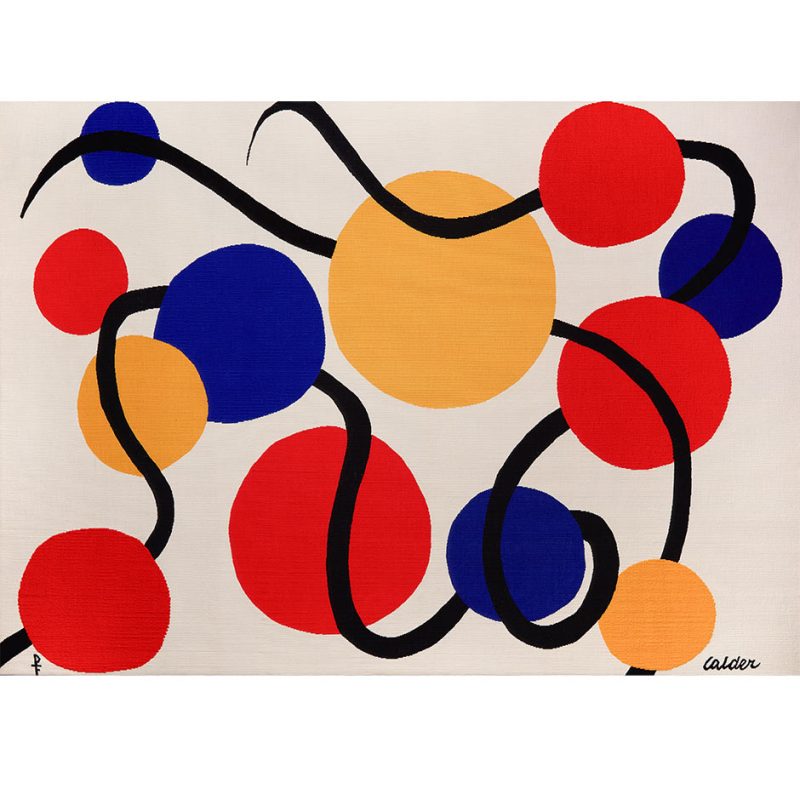
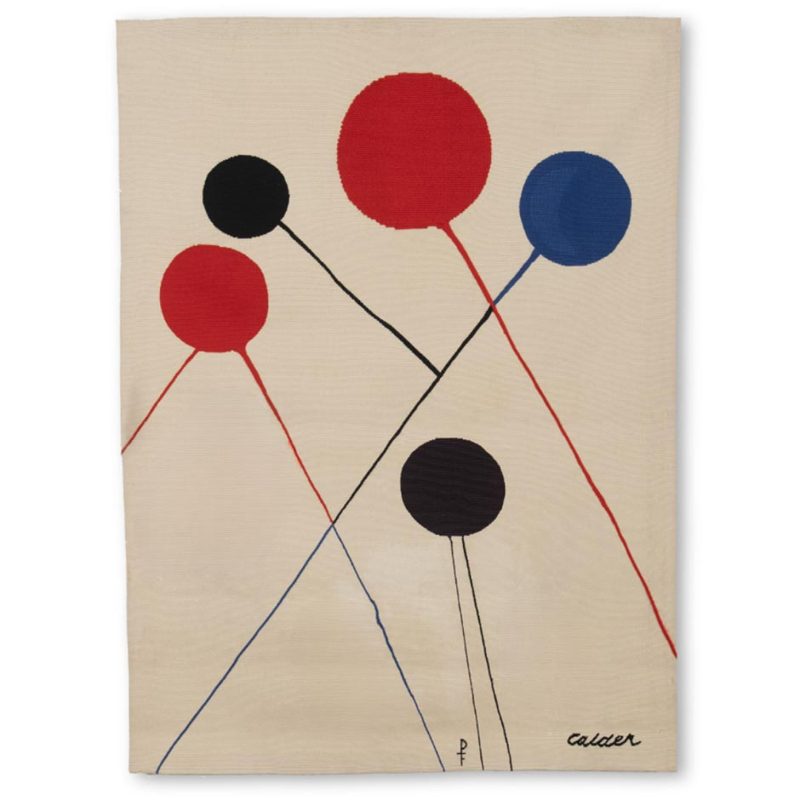
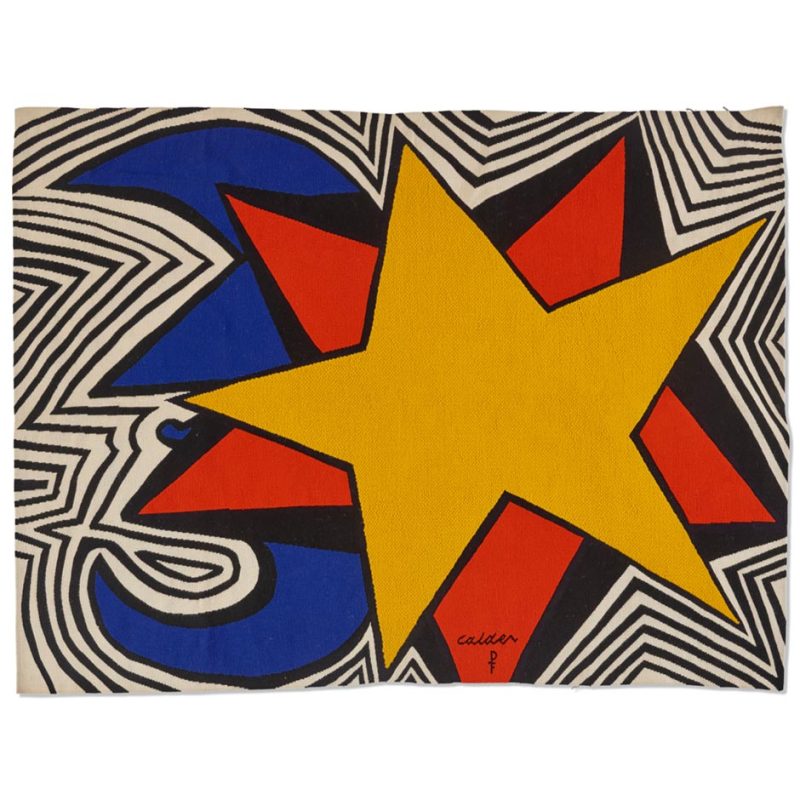
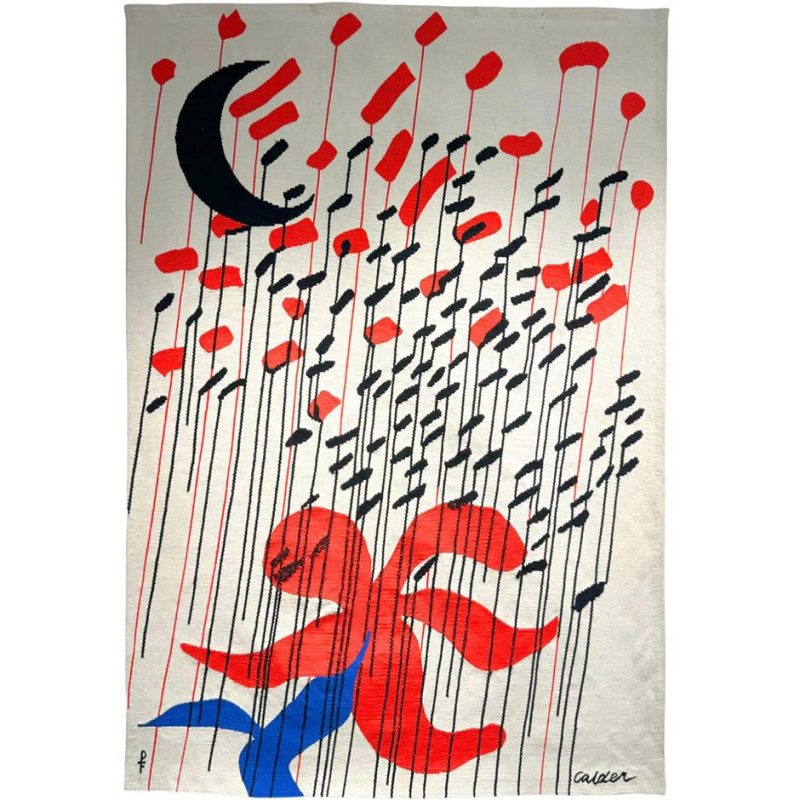
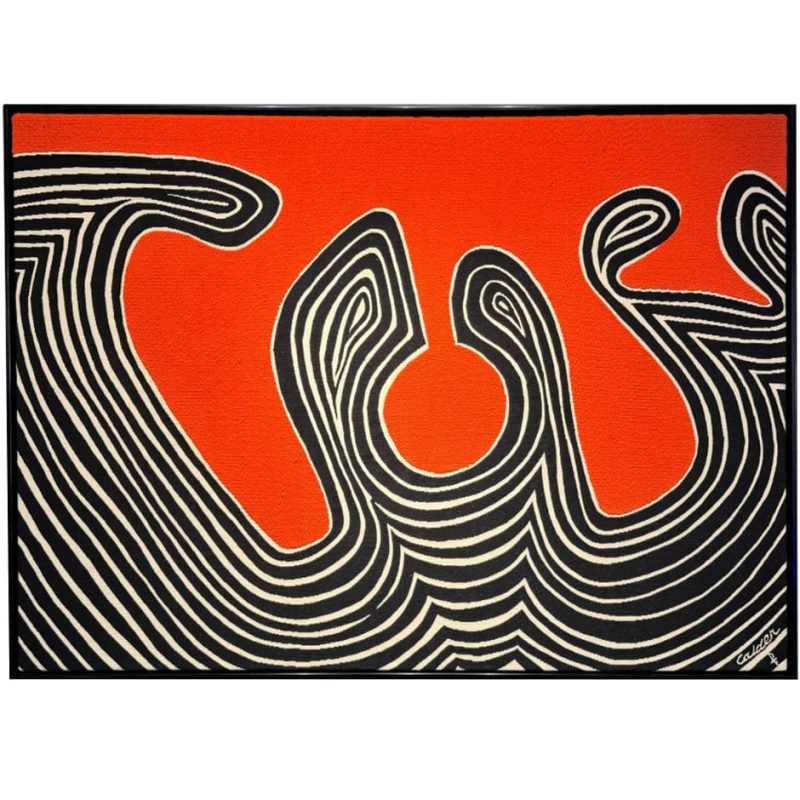
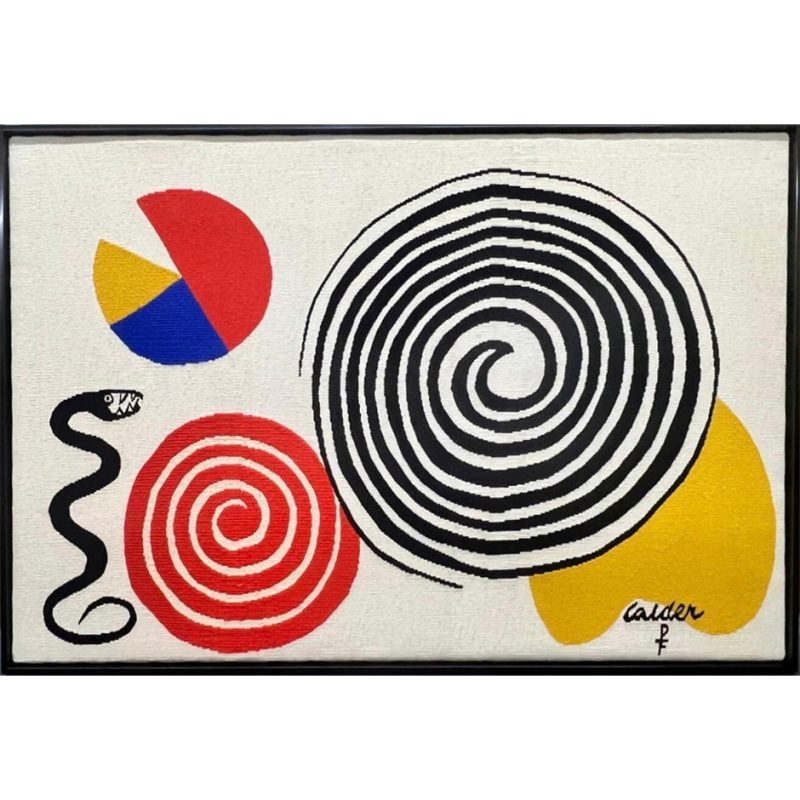
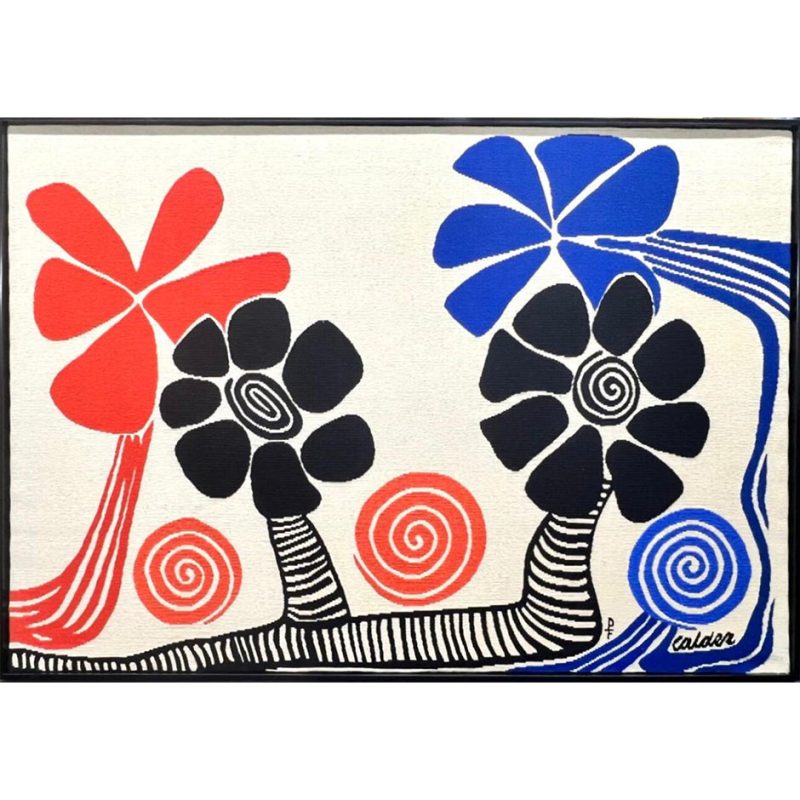
Alexander Calder stands as a towering figure of 20th-century art, known for infusing his work with vibrant energy, movement, and abstract form. This dynamic spirit extends to his textile creations. At Boccara, we present a rare selection of Calder’s tapestry works, crafted in limited editions by master weavers in Aubusson, including the renowned Pinton workshop. These wool tapestries translate his iconic visual language—graphic shapes, vibrant palettes, and delicate balance—into a rich and tactile medium. Echoing the rhythm of his mobiles and paintings, they offer a unique way to experience Calder’s bold artistic voice through textile. Today, his tapestries are recognized as museum-quality works, highly prized by collectors around the world.




Sonia Delaunay
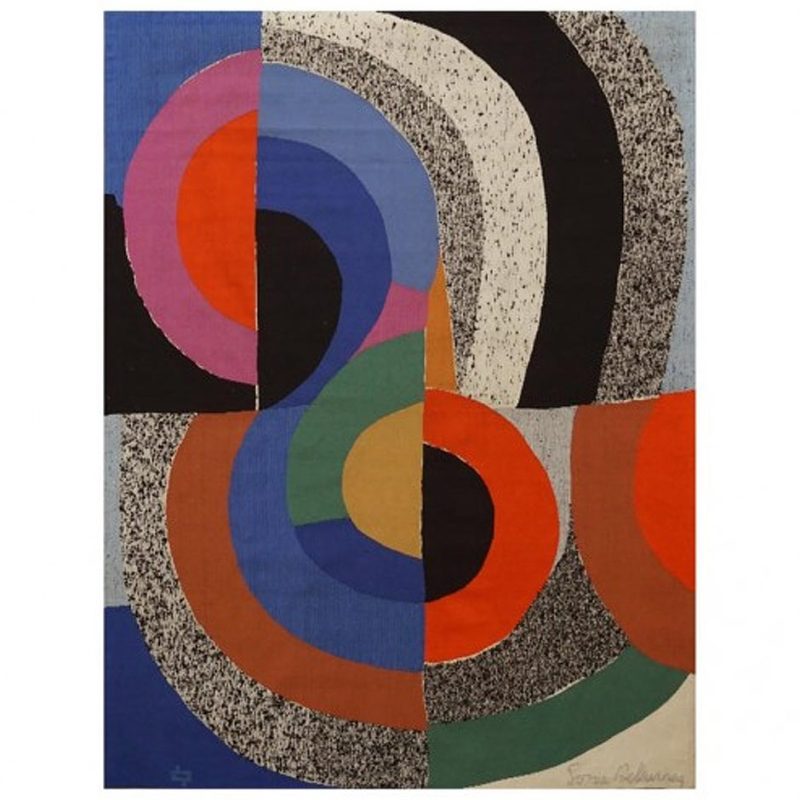
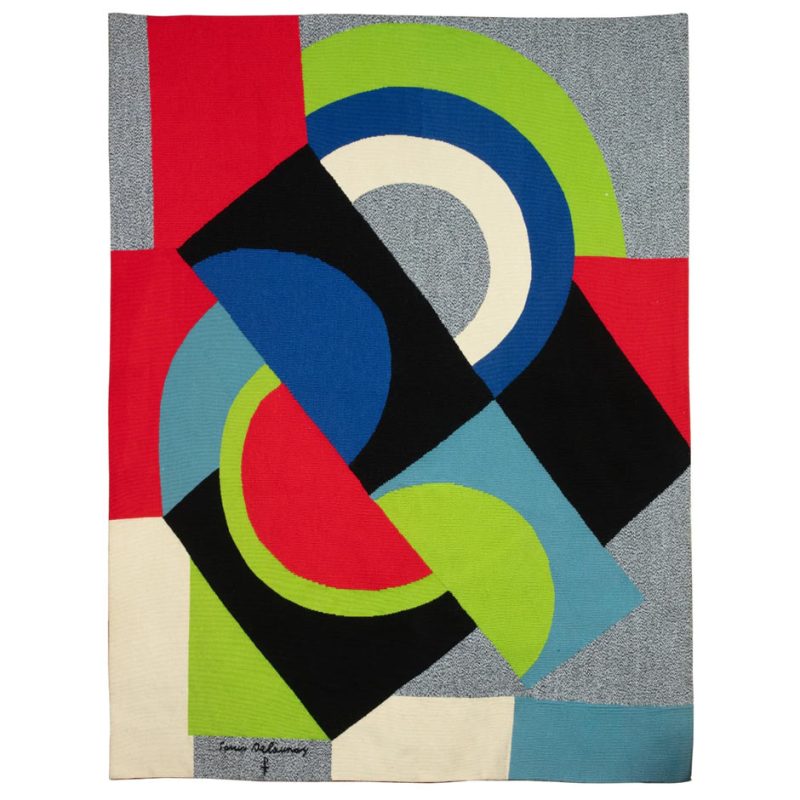
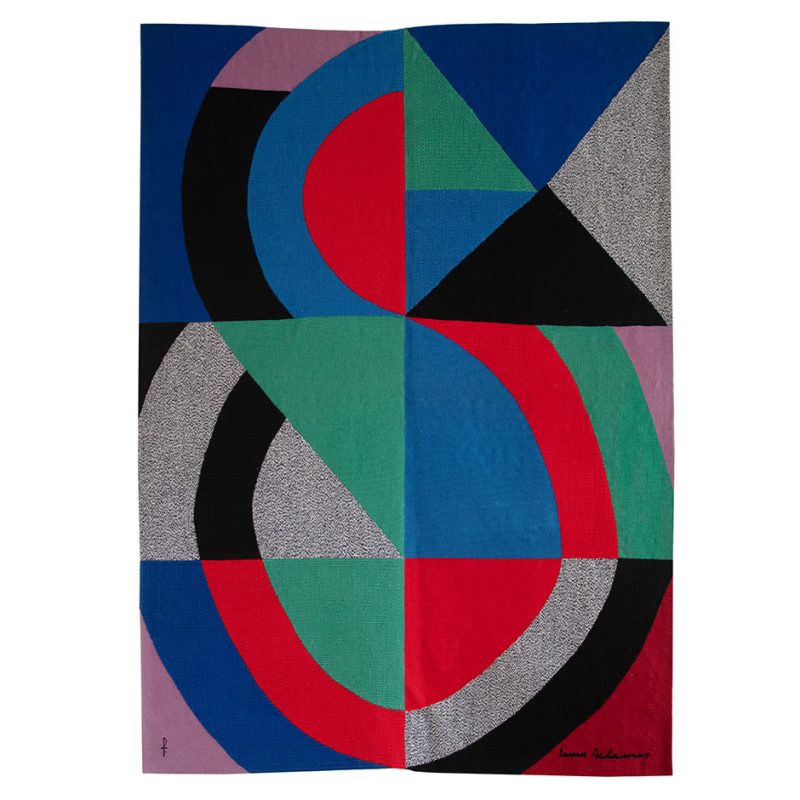
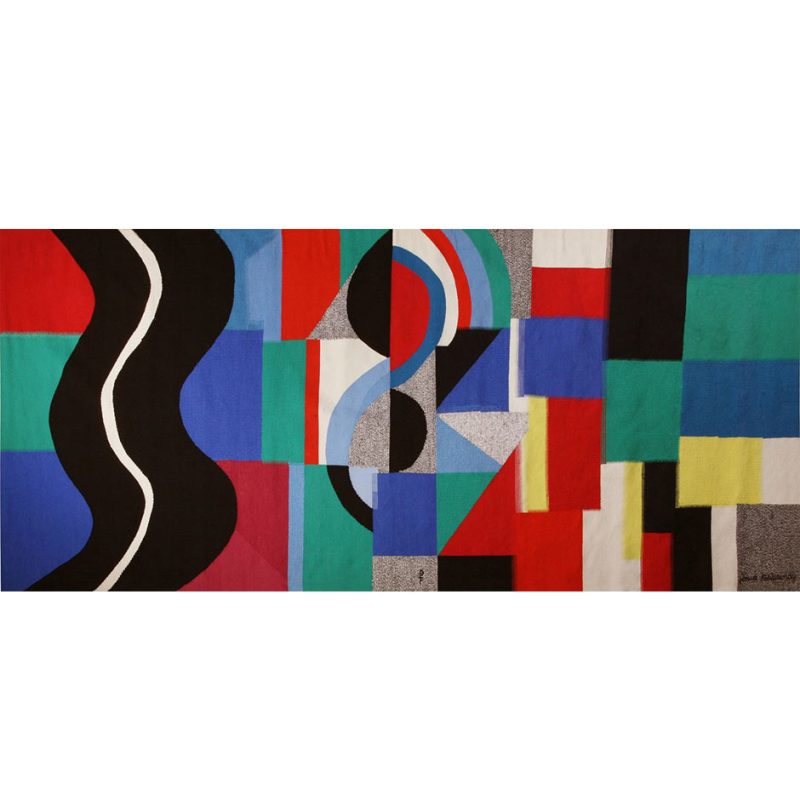
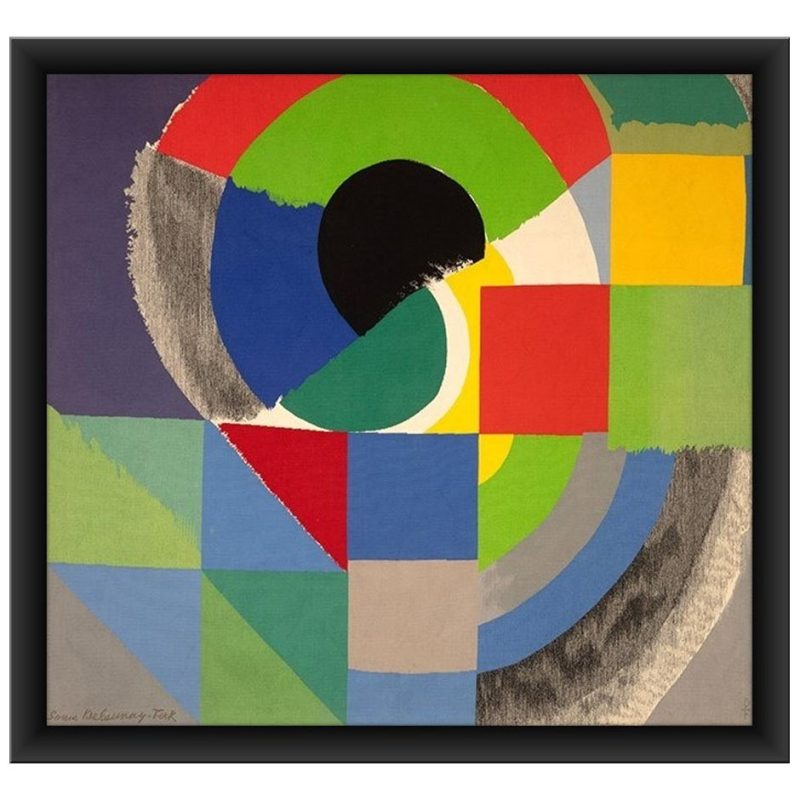
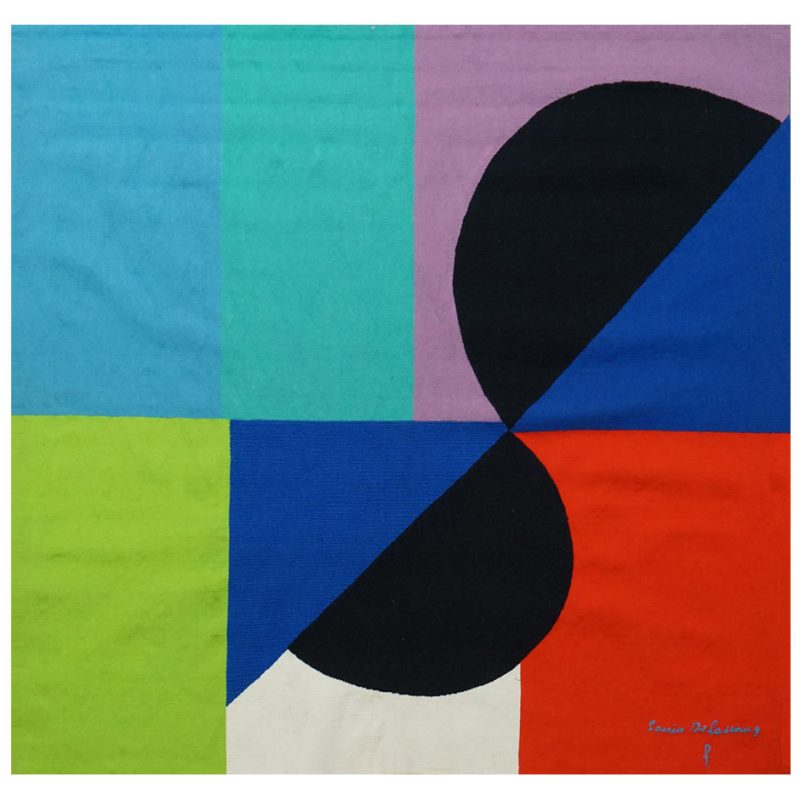
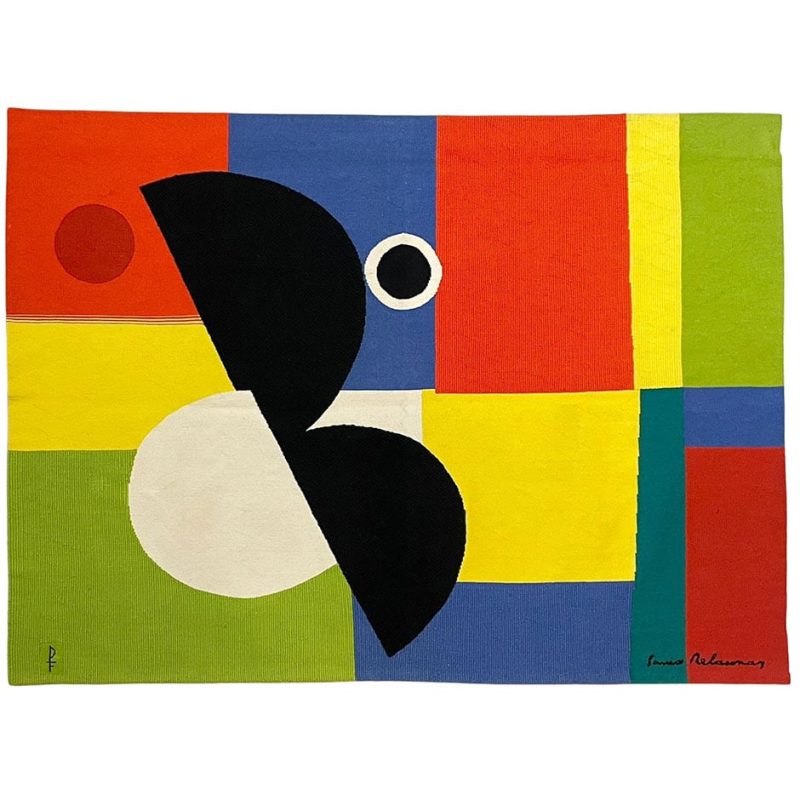
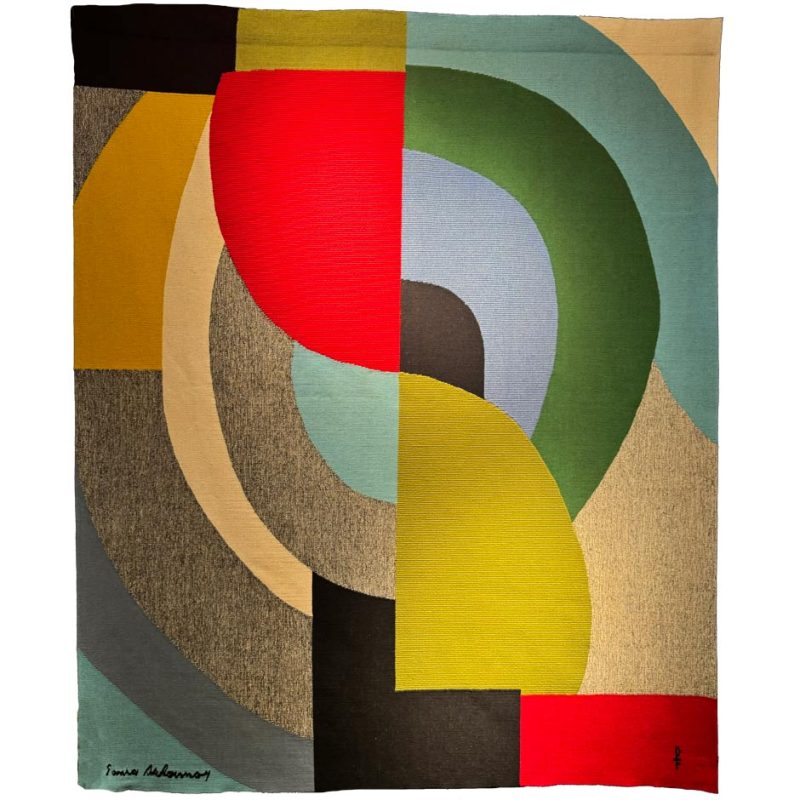
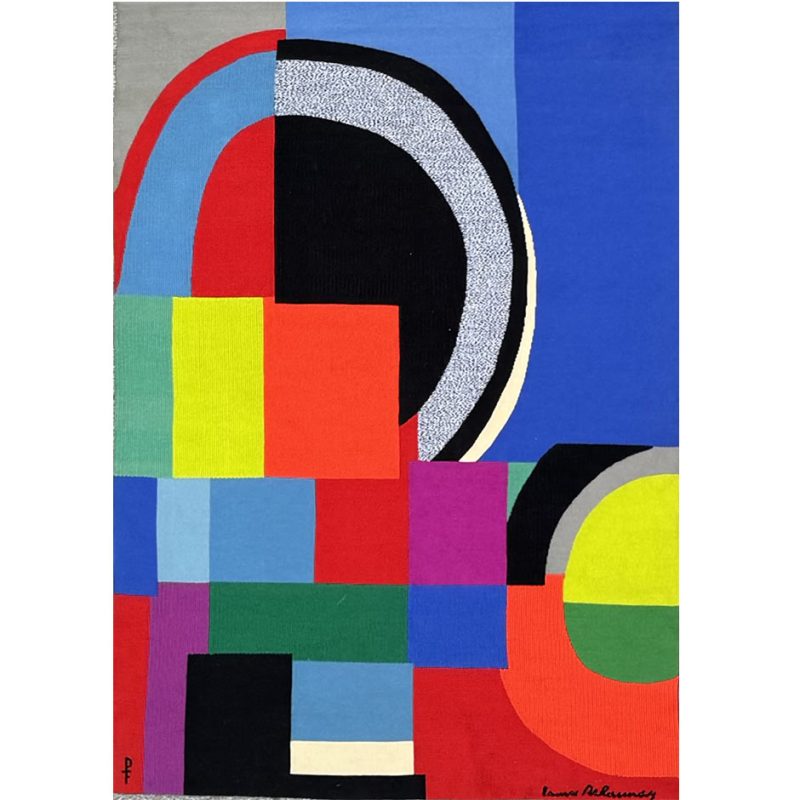
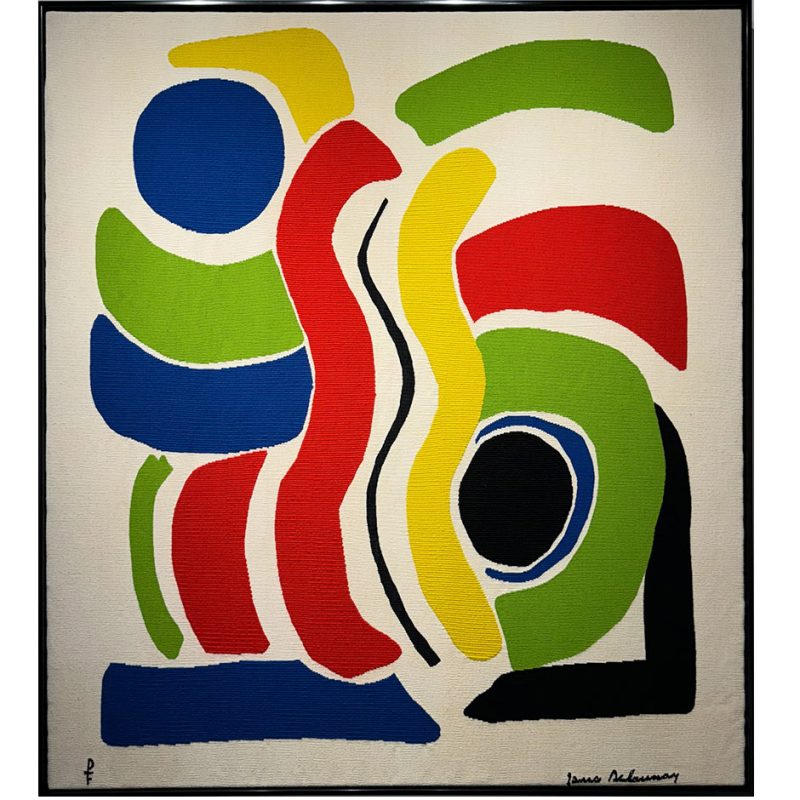
For Sonia Delaunay, color was not an ornament but a driving force. A pioneer of abstraction and co-founder of Orphism, she transformed tapestry into a true modern art medium. The tapestries presented by Boccara reflect her theory of simultanéisme, where vibrant color and geometric structure generate rhythm and visual movement. Created mainly in the later years of her career, these works were conceived specifically for weaving and produced in Aubusson workshops such as Atelier Pinton. Rather than translating her paintings, Delaunay embraced wool as a material in its own right, using texture and scale to achieve a powerful architectural presence. Produced in limited editions, her tapestries are now regarded as major works of 20th-century textile art, highly valued by collectors and institutions.


Joan Miró
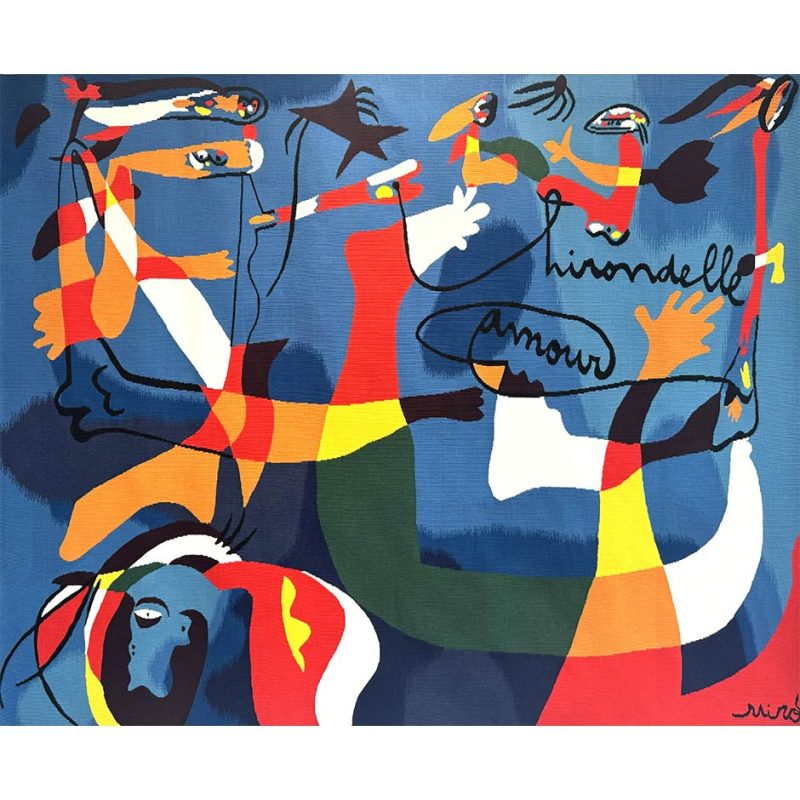
Joan Miró stands as one of the most inventive voices of modern art, developing a poetic universe of signs, colors, and dreamlike forms. At Boccara, his tapestries reveal a different dimension of this language, where spontaneity and imagination are translated into woven matter. Miró viewed textile not as a secondary medium but as a space for genuine creation, allowing form and rhythm to unfold through texture. Several works were produced posthumously under official authorization and woven in Aubusson by Atelier Pinton. These tapestries retain the artist’s playful energy and visual freedom, offering a monumental yet intimate interpretation of his legacy.

Man Ray
Man Ray never approached art as something fixed or literal. Whether through photography, film, or textile, his work constantly challenged form and perception. His modern tapestries extend this experimental mindset, translating abstraction, symbolism, and geometry into woven compositions. Strong colors and structured rhythms replace narrative imagery, allowing material and movement to take precedence. Produced by renowned French workshops such as Atelier 3, these tapestries echo the visual freedom found in his photographs and paintings. They offer a rare interpretation of Man Ray’s artistic language, where mystery, motion, and structure coexist within the tactile space of modern tapestry.
Marc Chagall
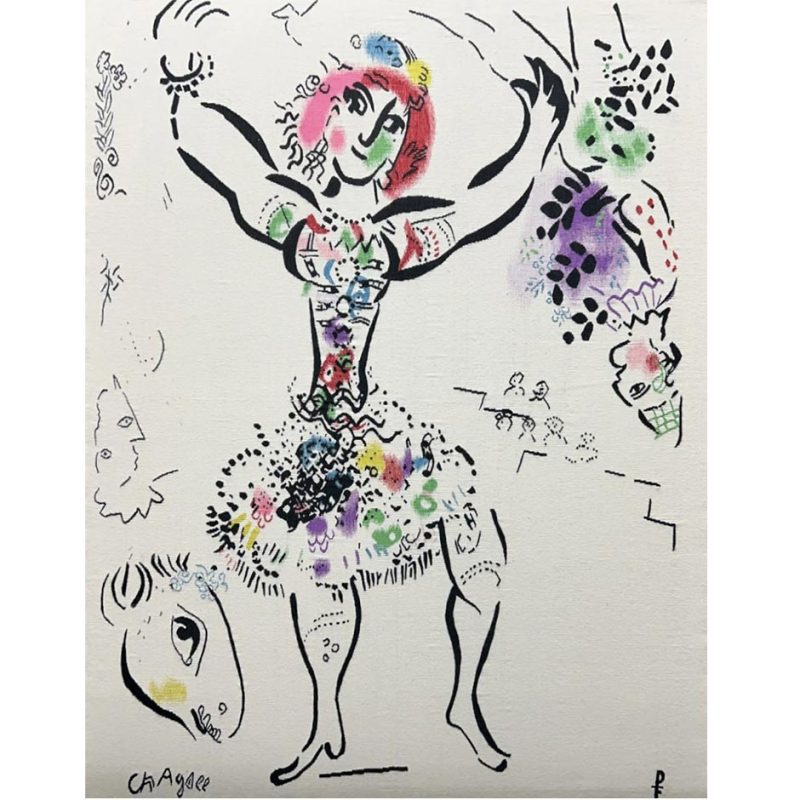
Marc Chagall brought his poetic universe of memory, spirituality, and color into tapestry with remarkable sensitivity. Known for his floating figures and symbolic narratives, he found in textile a medium capable of softening form while deepening emotion. Woven in wool by Atelier Pinton, these compositions gain warmth and texture, allowing color and movement to unfold with quiet intensity. Produced in limited editions, Chagall’s tapestries are rarely encountered today. They offer an intimate encounter with his dreamlike vision, where storytelling and material merge into a deeply expressive textile language.
Fernand Léger
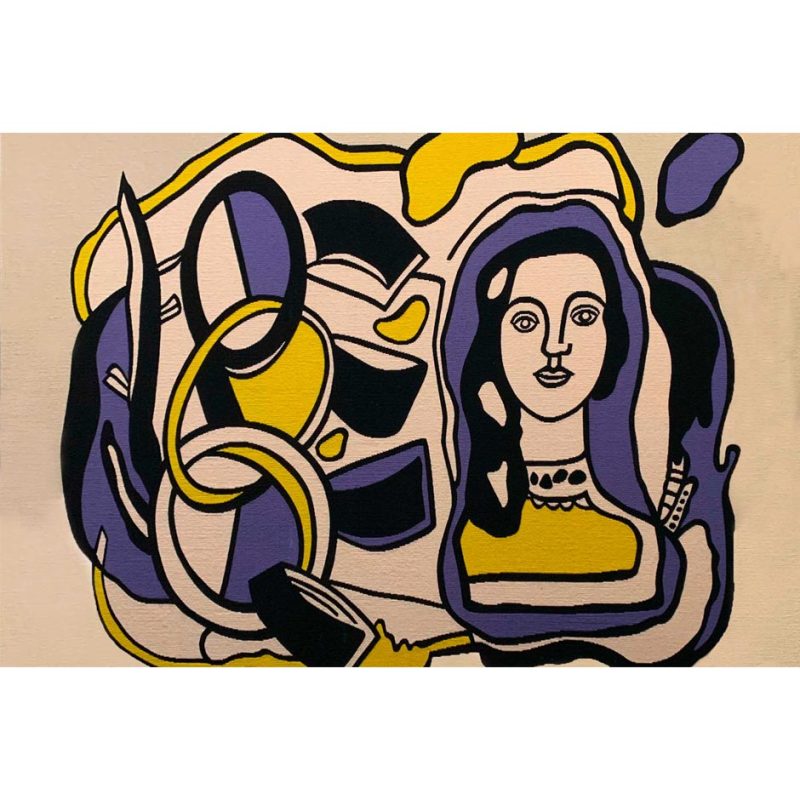
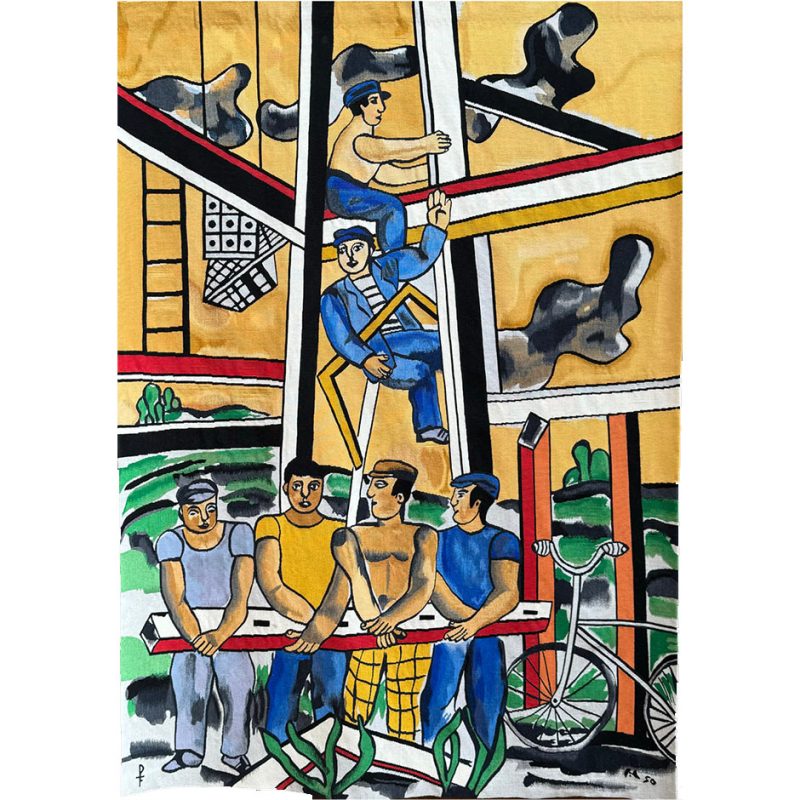
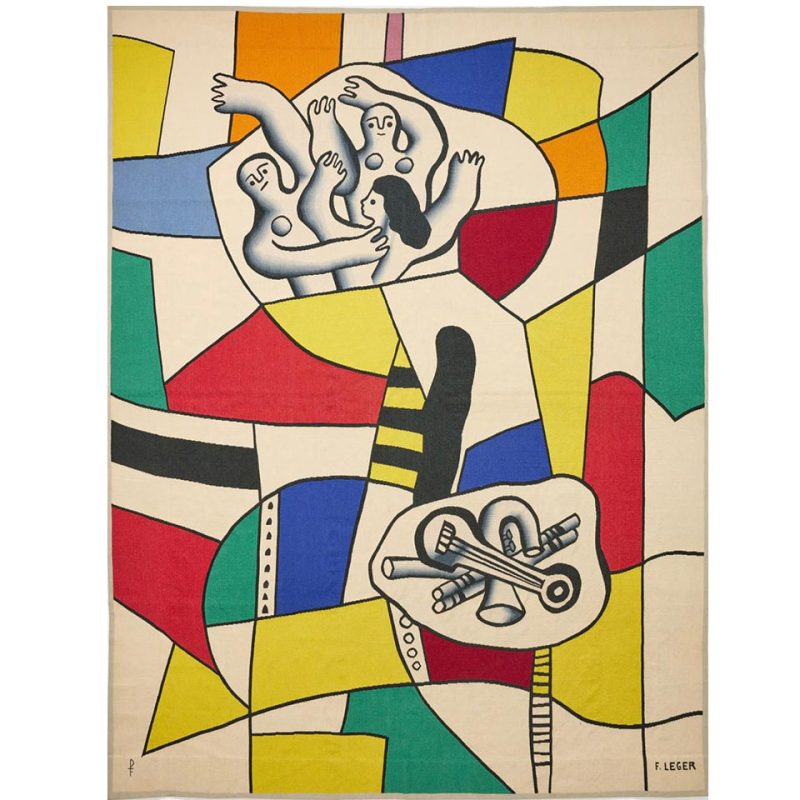
Fernand Léger played a defining role in modern art through a graphic language shaped by industry, architecture, and daily life. In tapestry, this vocabulary is reinterpreted through bold contours, vivid color planes, and stylized figures. Woven in Aubusson by workshops such as Pinton, these works gain a strong structural presence, echoing mural or architectural compositions. Many were designed for public or large-scale environments rather than intimate settings. Léger viewed art as something meant to inhabit real spaces, and his tapestries embody this ambition with clarity and lasting visual impact.

Nadia Léger
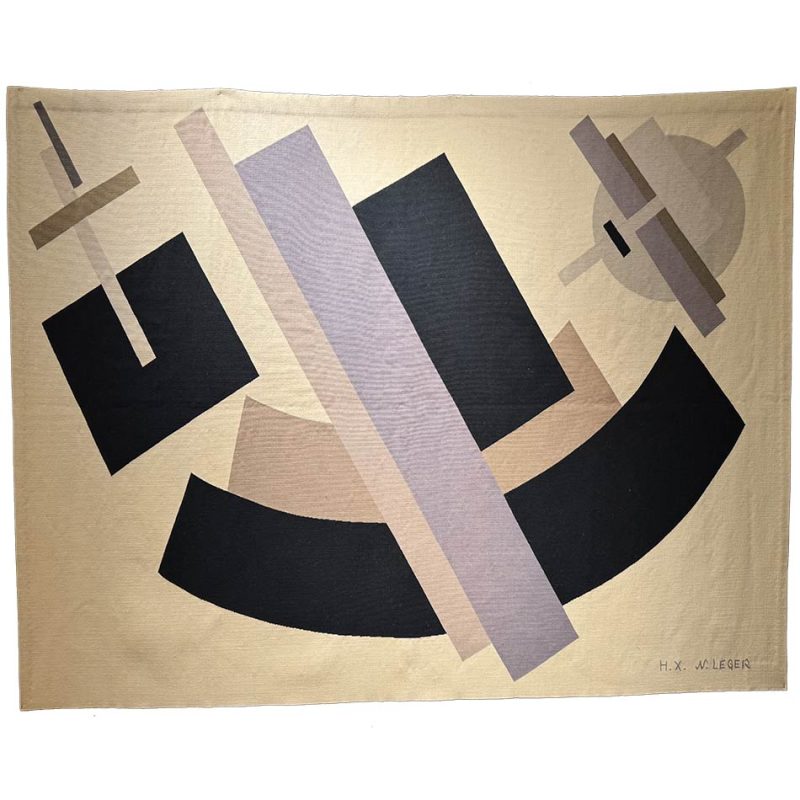
Nadia Léger believed that modern abstraction should exist within lived spaces, not remain confined to institutions. In tapestry, her clear compositions and structured use of color acquire a tangible depth, shaped by the material itself. Collaborating closely with French weaving ateliers, she embraced tapestry as a shared process where craft influenced form. Balance, rhythm, and formal precision define these works, which translate her painted language into a durable textile presence. Her tapestries reflect a vision of modern art rooted in clarity, harmony, and everyday experience.
Bernard Cathelin
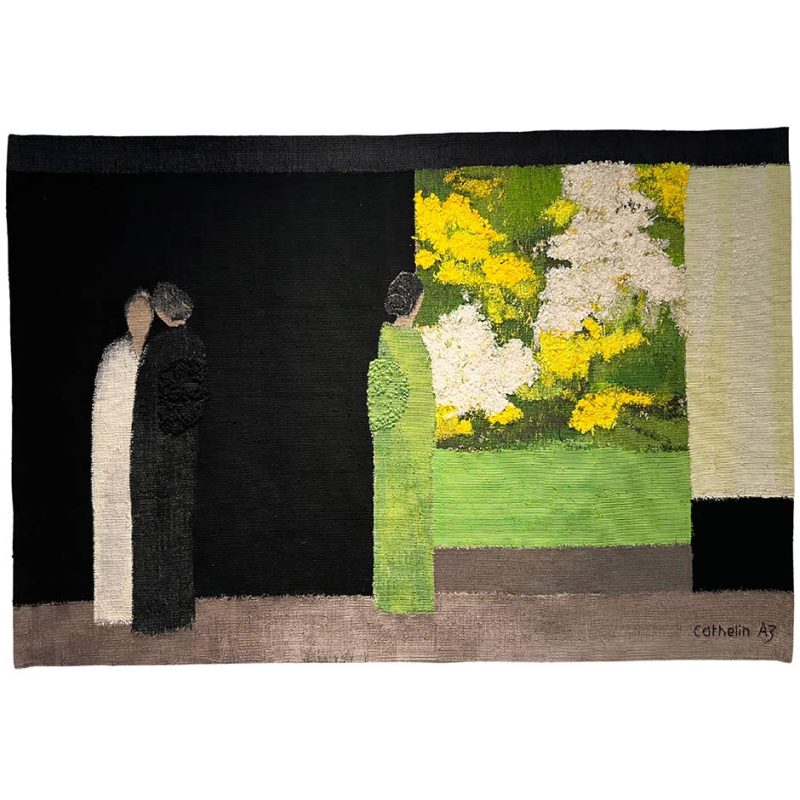
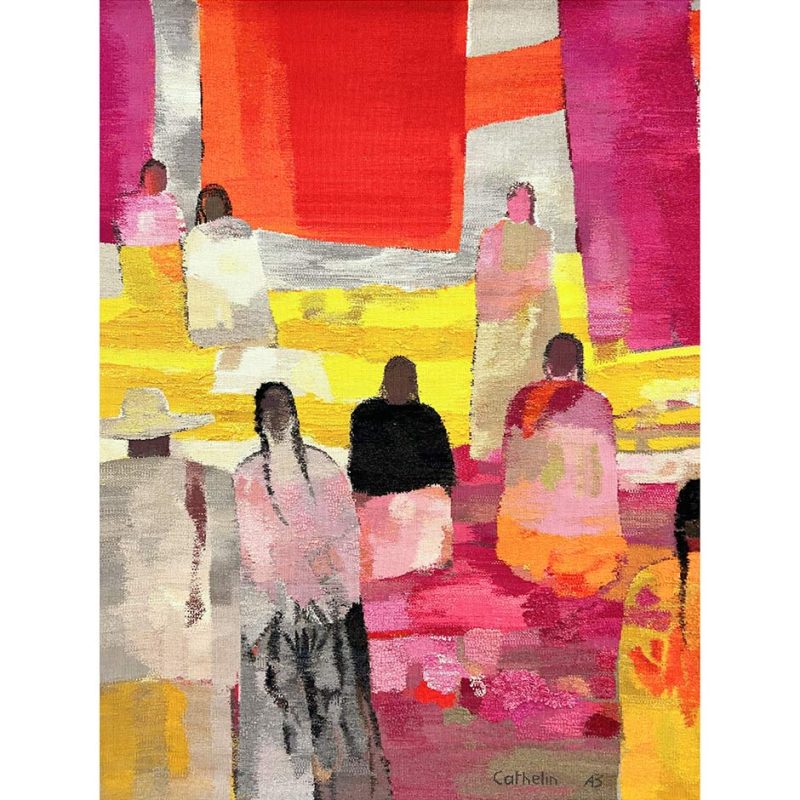
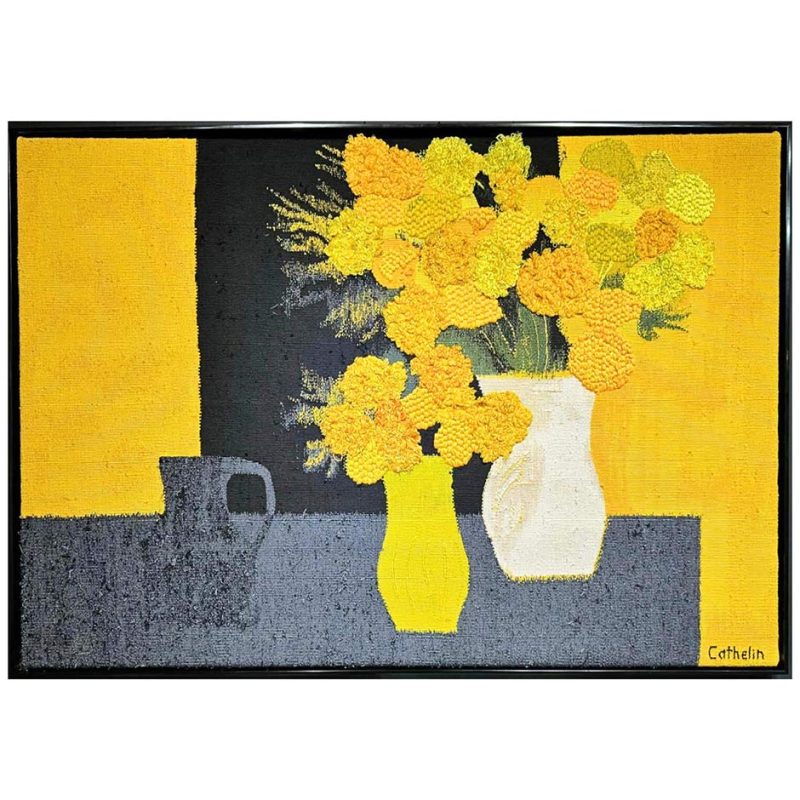
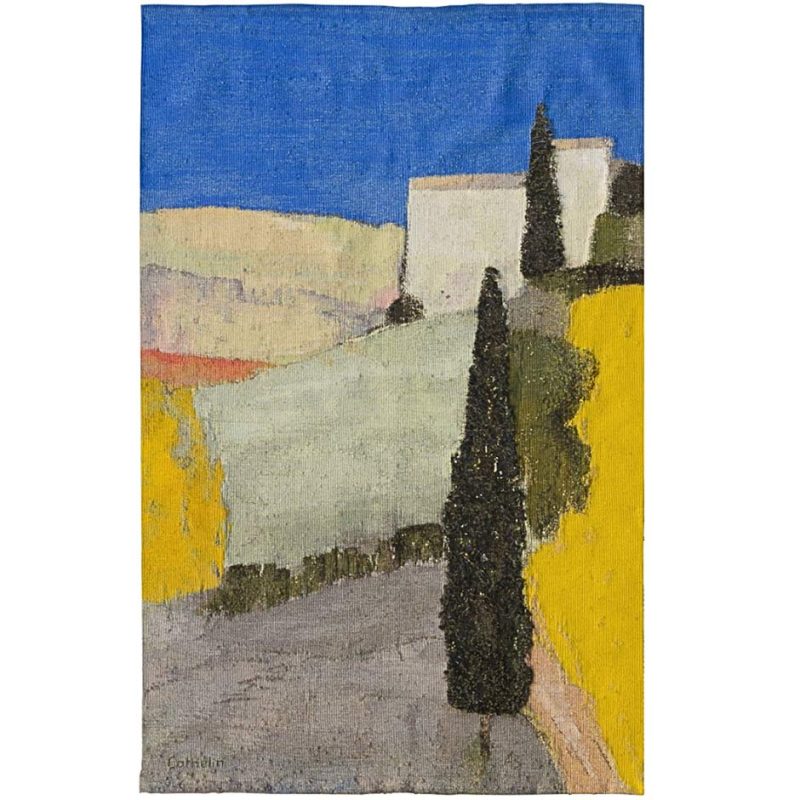
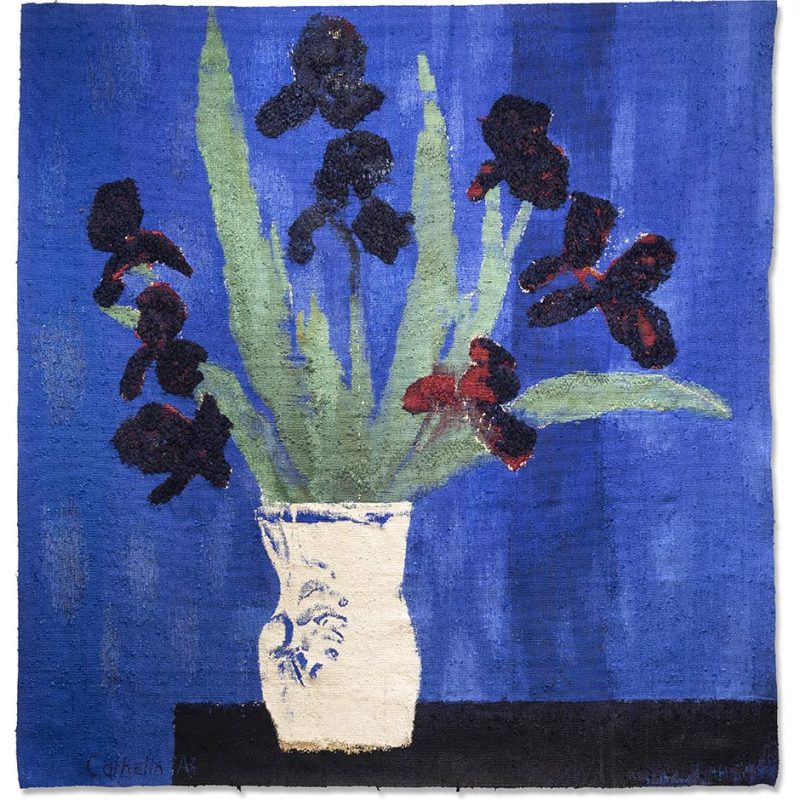
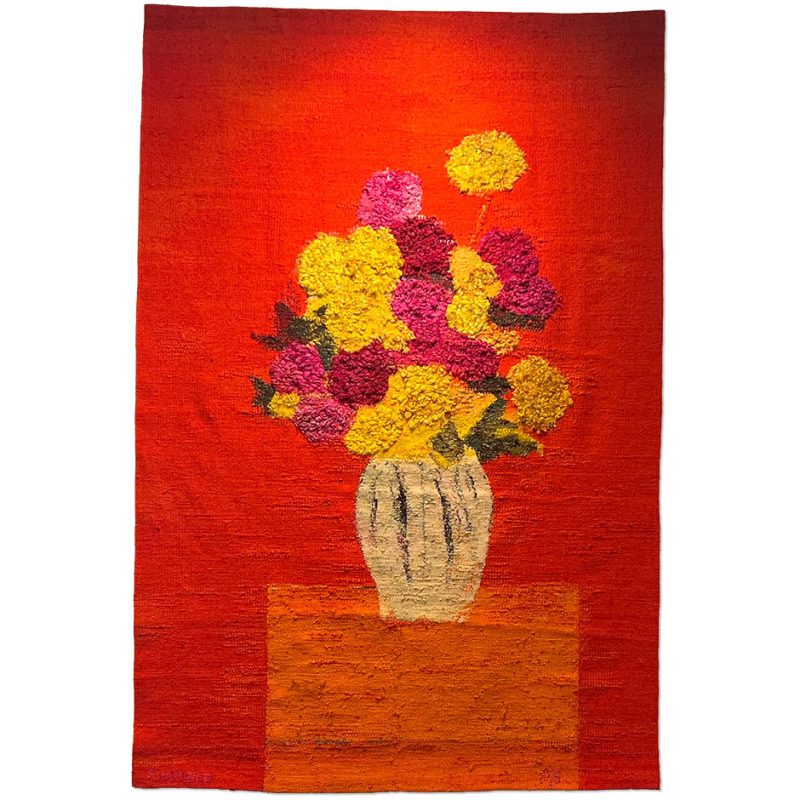
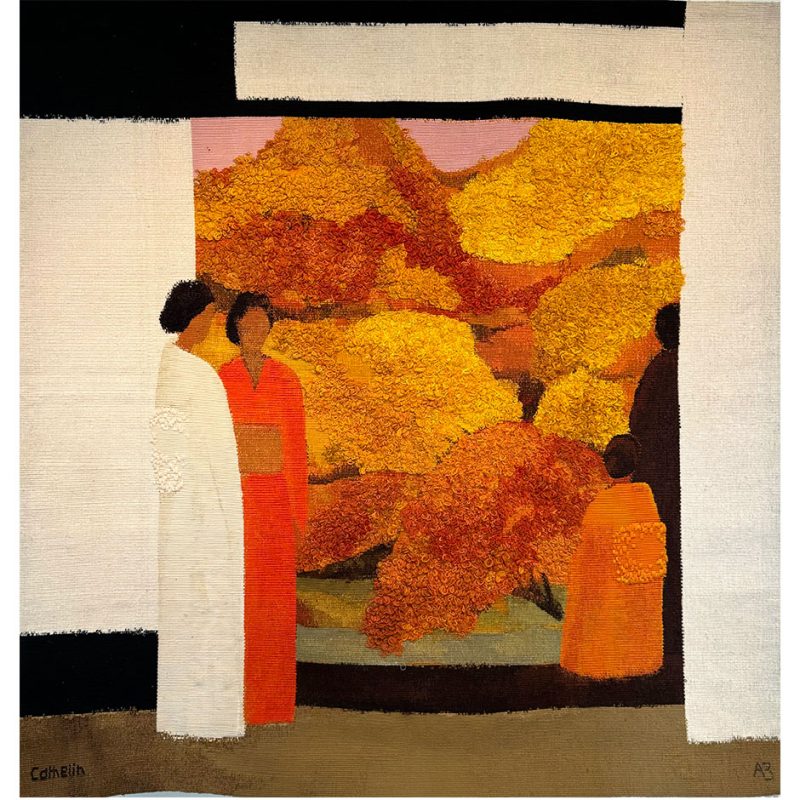
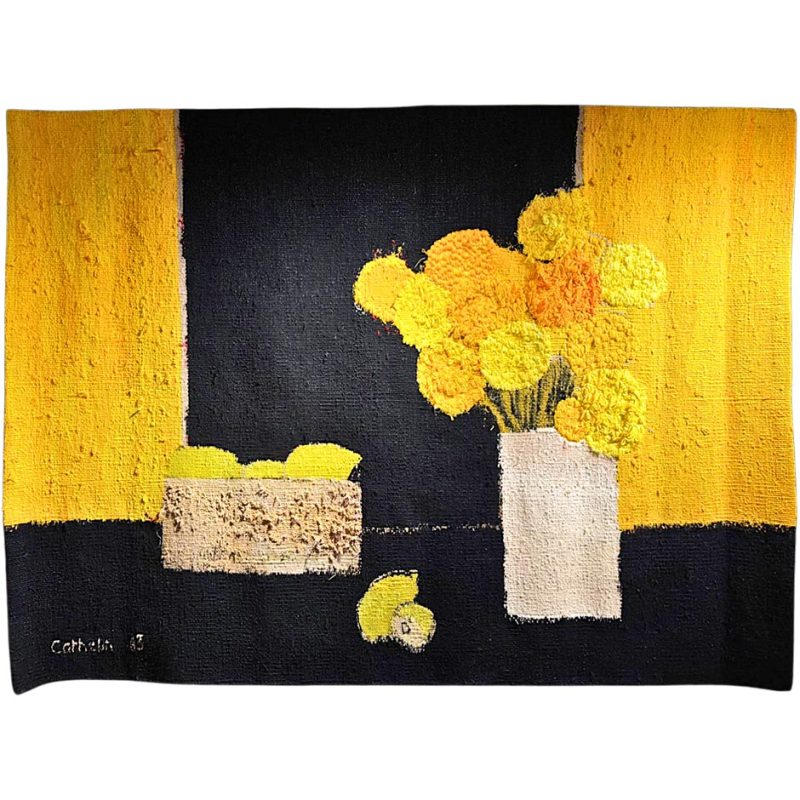
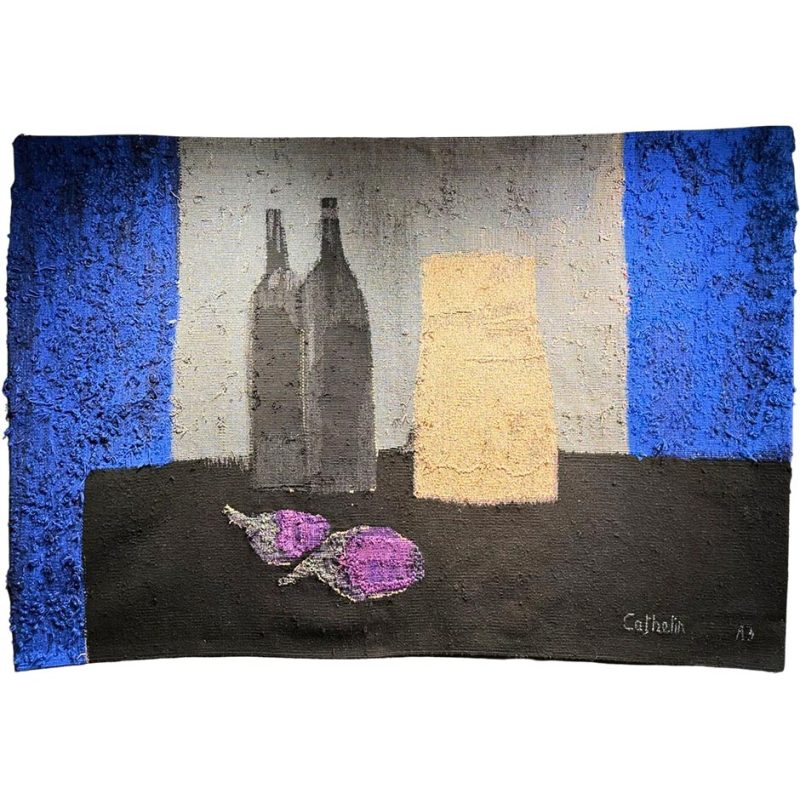
Bernard Cathelin drew constant inspiration from color, memory, and the landscapes of Mexico, Italy, France, and the Drôme. In tapestry, this sensitivity unfolds through luminous tones and softened forms, where atmosphere takes precedence over description. Woven by French ateliers, these works retain the lyrical spirit of his painting while gaining depth and material presence. Color becomes a vessel for light, place, and emotion, rather than representation. Through wool, Cathelin’s vision remains intimate and contemplative, offering a quietly powerful interpretation of landscape and memory.
François Desnoyer
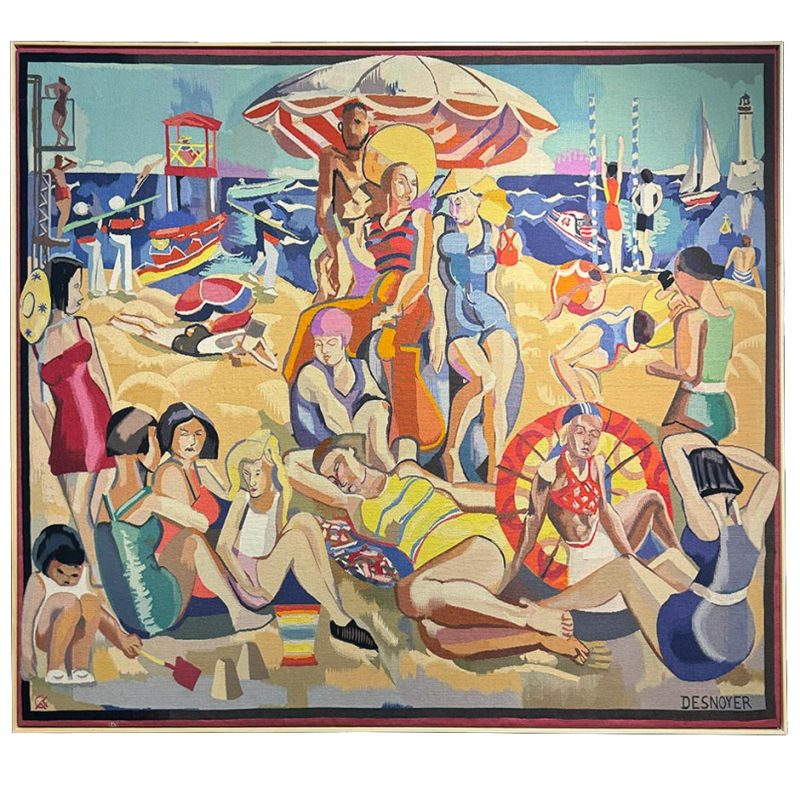
Associated with the École de Paris, François Desnoyer developed a vivid, human-centered vision of modern life. His work blends post-Impressionist color with a restrained Fauvist energy, capturing scenes of leisure, cities, and coastal landscapes with warmth and immediacy. This painterly vitality translates naturally into tapestry, where gesture and surface become integral to the image. In woven form, his designs retain the spontaneity of his brushwork while gaining depth and material presence. Wool enhances movement and rhythm, transforming everyday observation into a lively textile expression that reflects the same attentive, generous eye found in his painting.
Victor Vasarely
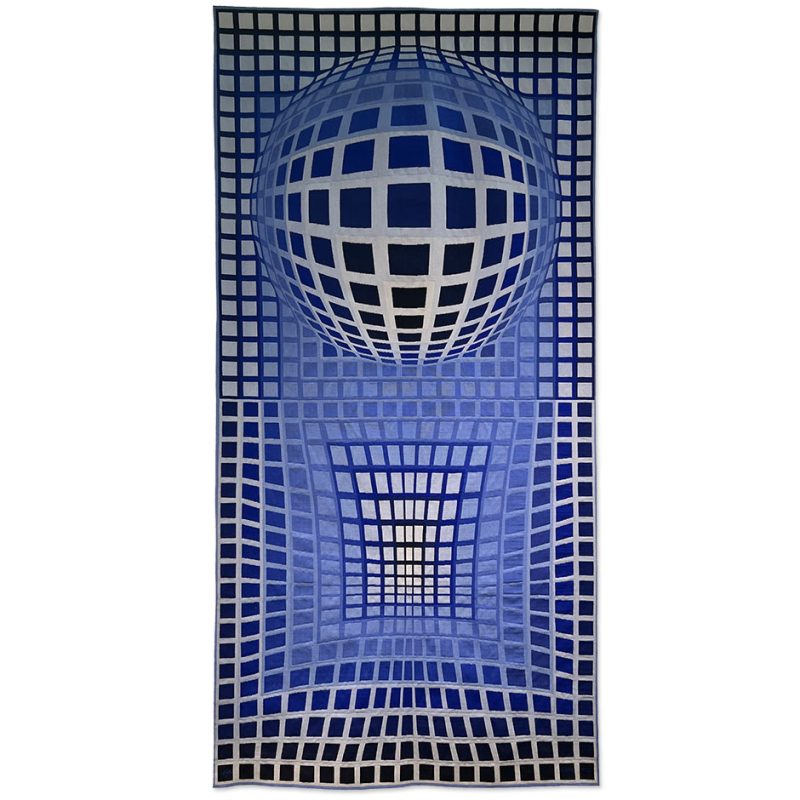
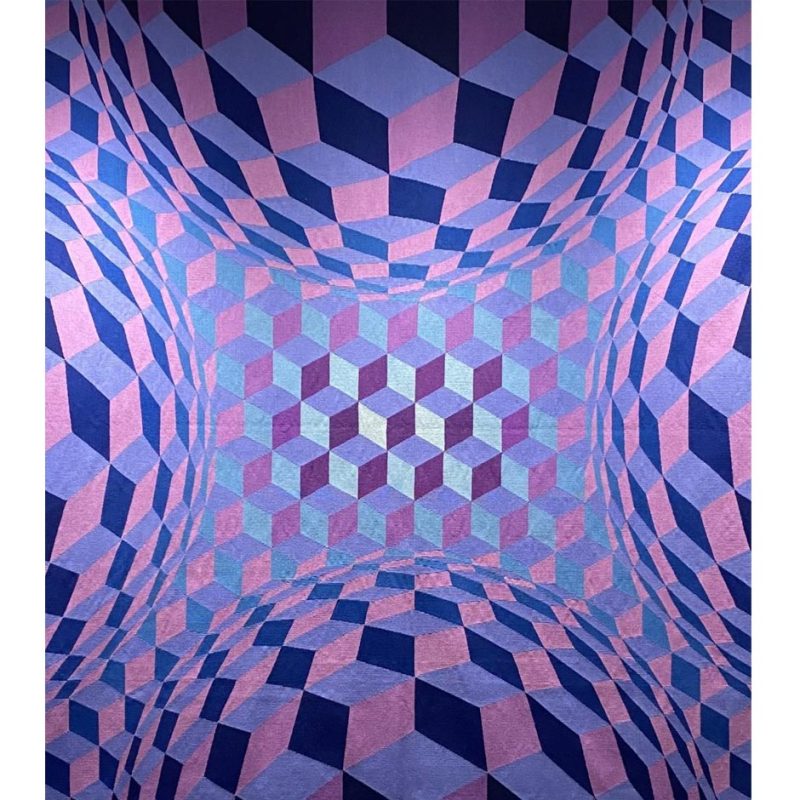
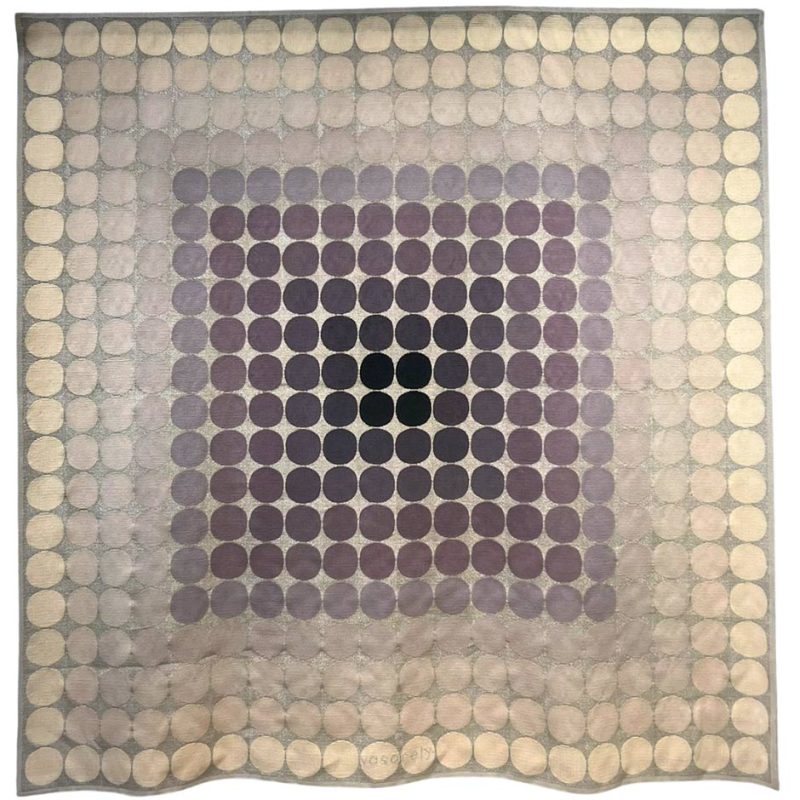
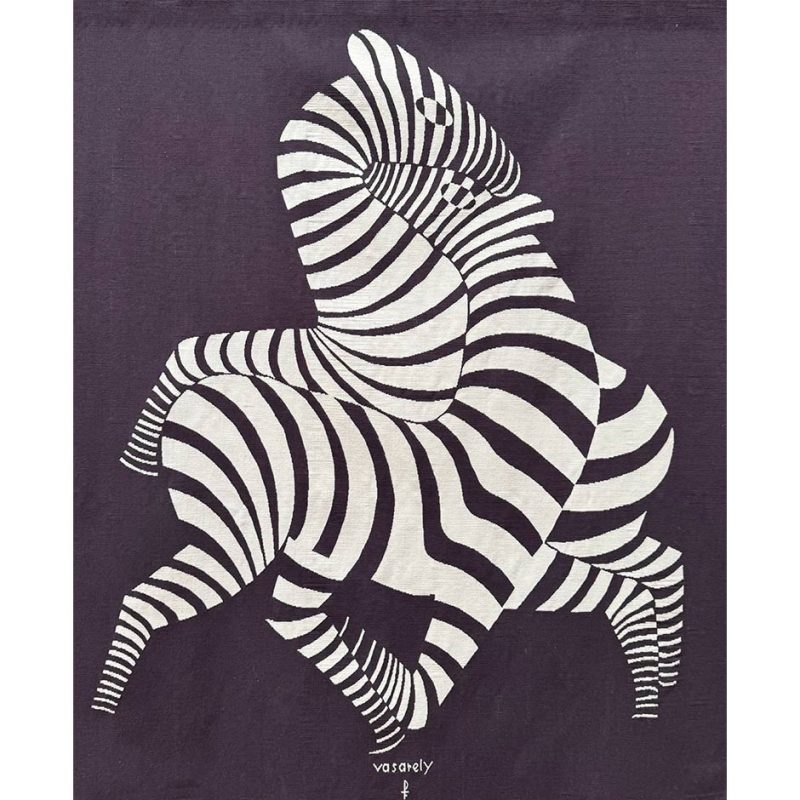
A pioneer of Op Art, Victor Vasarely used geometry and color to generate optical tension and movement. In tapestry, this precise visual language becomes tactile, as vibration and pattern are embedded in woven structure. Produced by Atelier Pinton, these works translate shifting grids and perceptual illusions into richly ordered surfaces. The medium reinforces Vasarely’s fascination with rhythm and perception, allowing control and dynamism to coexist. His tapestries stand among the most striking textile interpretations of optical modernism, where visual logic and material depth meet.

Ossip Zadkine
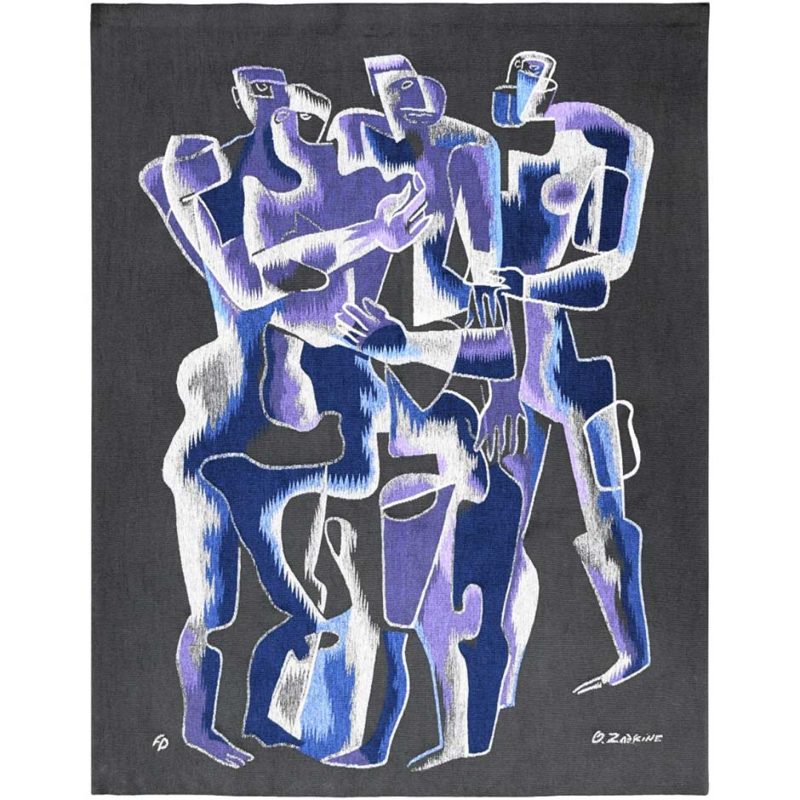
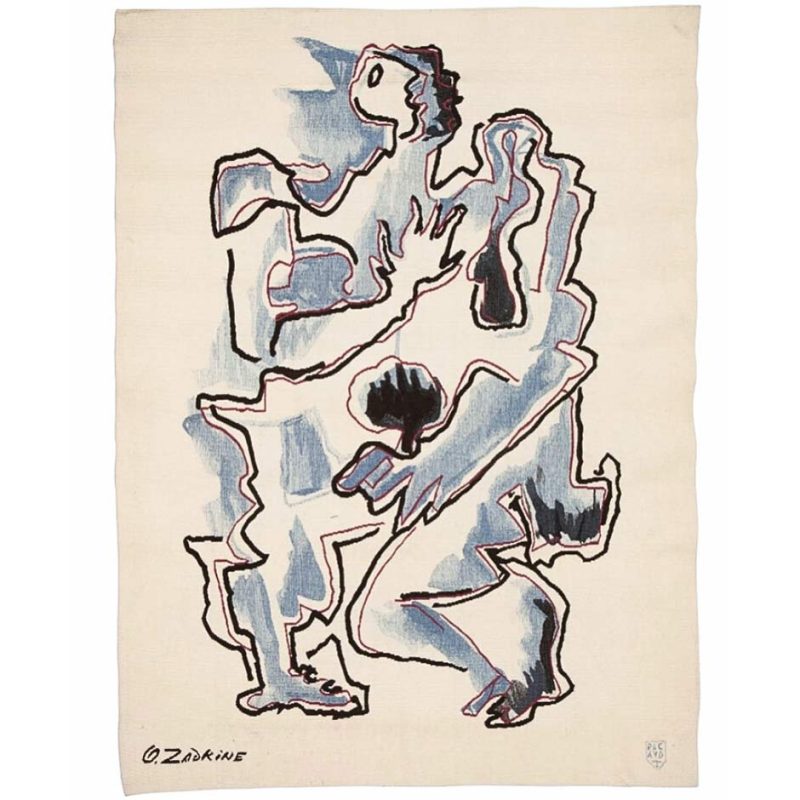
Best known as a sculptor, Ossip Zadkine approached form with a strong sense of rhythm and material presence. His tapestry works, though rare, extend this sculptural thinking into textile. Woven by French ateliers, they translate three-dimensional ideas into dynamic, surface-based compositions. Shape and movement remain central, while wool introduces softness and tactile nuance. Zadkine’s sensitivity to material—whether stone, wood, or fiber—flows naturally through these designs, creating a quiet dialogue between sculpture and modern tapestry.
Tom Wesselmann
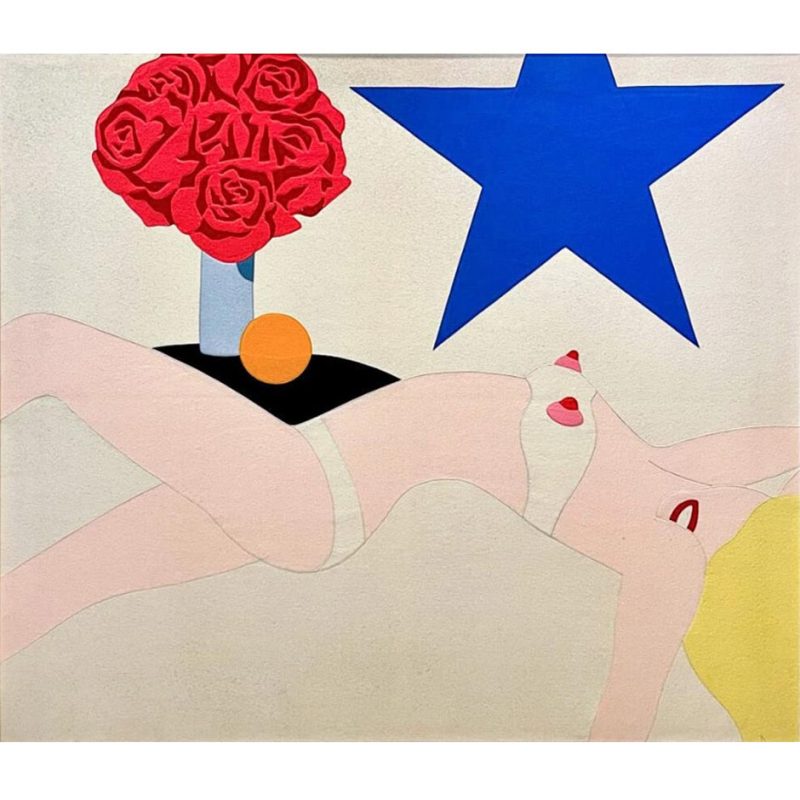
Tom Wesselmann gave Pop Art one of its most direct and sensual visual languages. His textile work brings that bold graphic clarity into an unexpected material form, most notably through the felt Nude Banner produced with the Betsy Ross Flag and Banner Company. Hand-cut and assembled, the softness of felt contrasts sharply with his crisp lines and iconic imagery. Produced in only two editions, these works are exceptionally rare. They stand as a playful yet powerful extension of Wesselmann’s Pop vision, where American craft meets modern imagery.
Brassaï
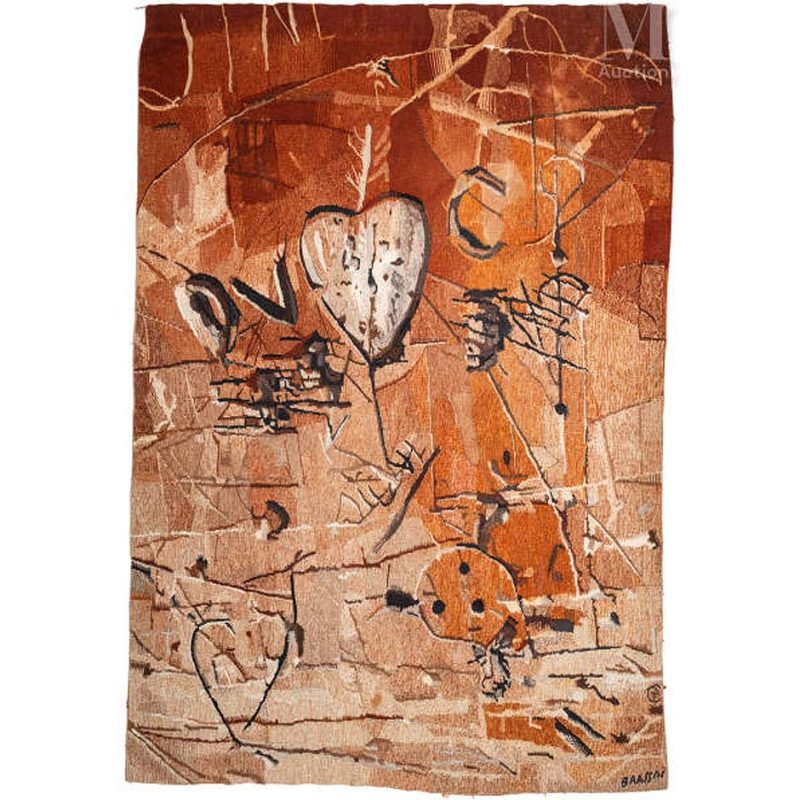
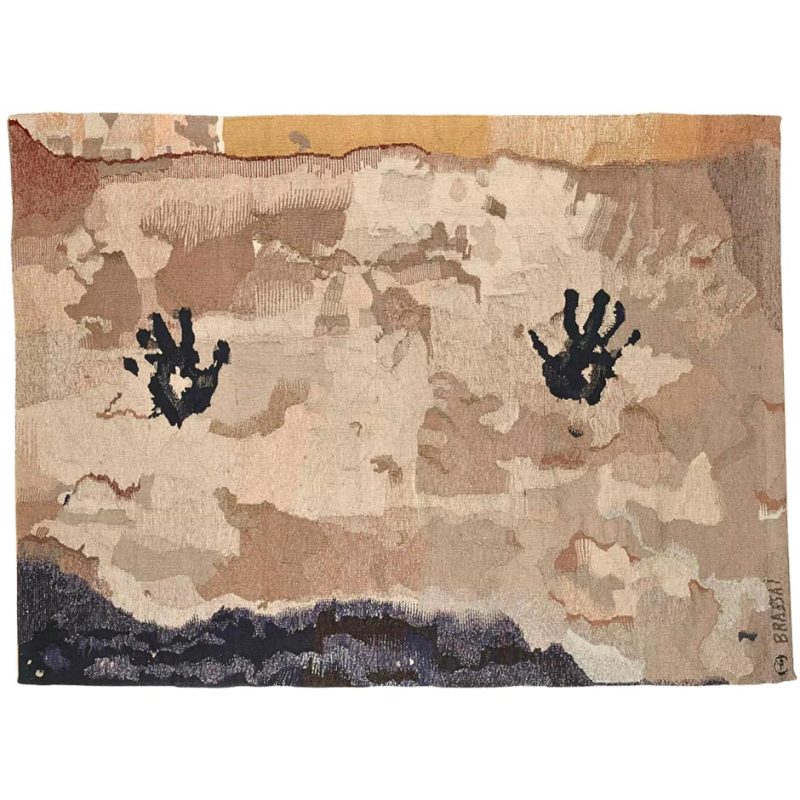
Brassaï revealed the hidden poetry of Paris through shadow, texture, and rhythm. Moving freely between documentation and abstraction, his work transformed everyday scenes into structured visual compositions. In tapestry, this sensitivity to surface gains physical depth. Woven interpretations of his language translate photographic contrast into architectural fields of wool. The medium allows light, pattern, and structure to become tactile, offering a quietly striking extension of Brassaï’s modern vision into textile form.

Andy Warhol
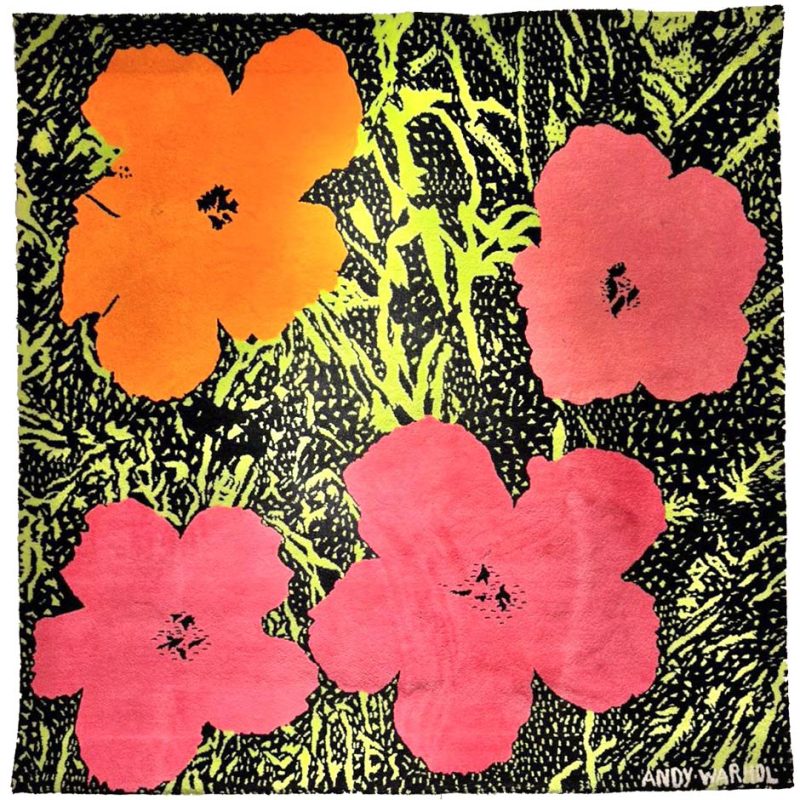
Few artists reshaped modern imagery as radically as Andy Warhol. Through repetition and surface, he turned ordinary subjects into cultural icons. In tapestry, this Pop vocabulary translates into bold color and graphic clarity, while wool adds warmth and texture to his otherwise flat aesthetic. Even in woven form, his imagery retains its immediacy and visual impact. These works offer a rare perspective on how Warhol’s ideas move beyond painting and print, expanding into textile without losing their cultural force.
Mathieu Matégot
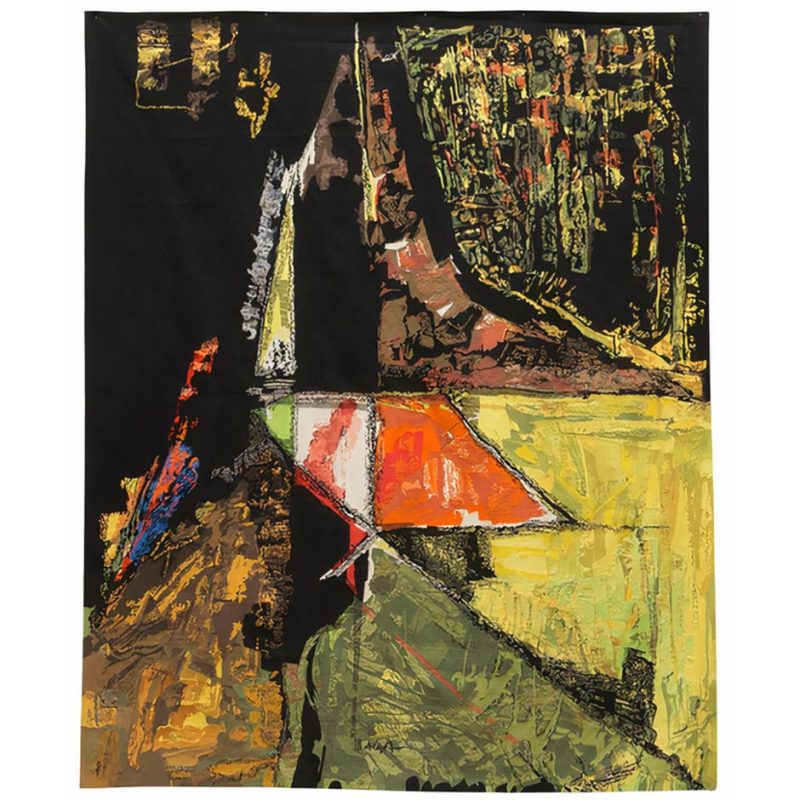
Material experimentation and playful invention define Mathieu Matégot’s work. Known for his postwar furniture and metal designs, he brought the same rhythmic abstraction into tapestry. His compositions balance lively geometry with architectural structure, translating seamlessly into woven color and pattern. Rather than treating tapestry as decoration, Matégot approached it as a true design medium. Wool adds warmth and movement, softening his modernist rigor while preserving clarity. His textile works reflect a refined vision where design, form, and material are inseparable.


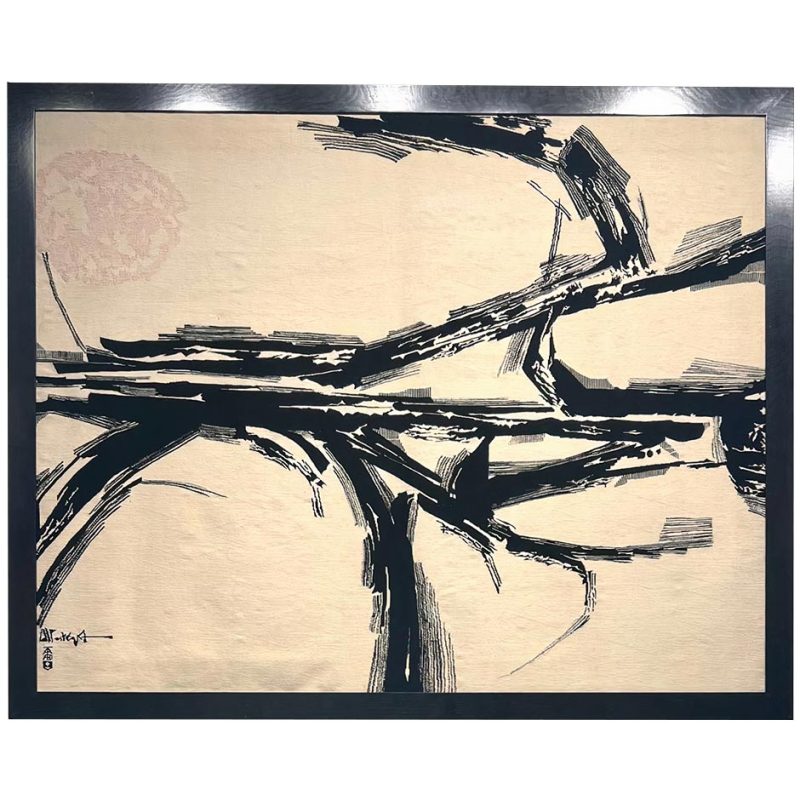
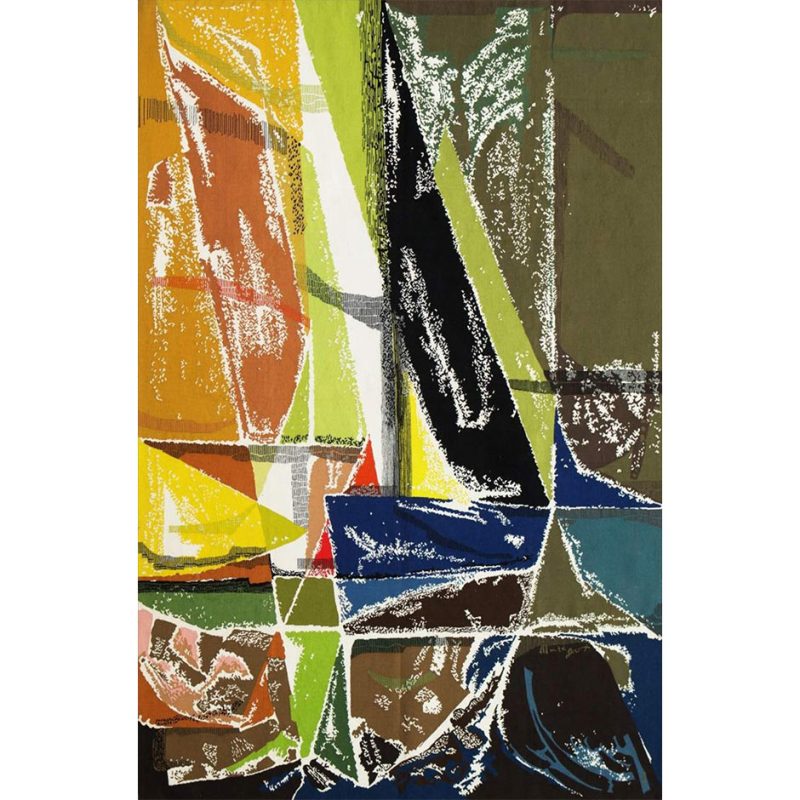
Le Corbusier
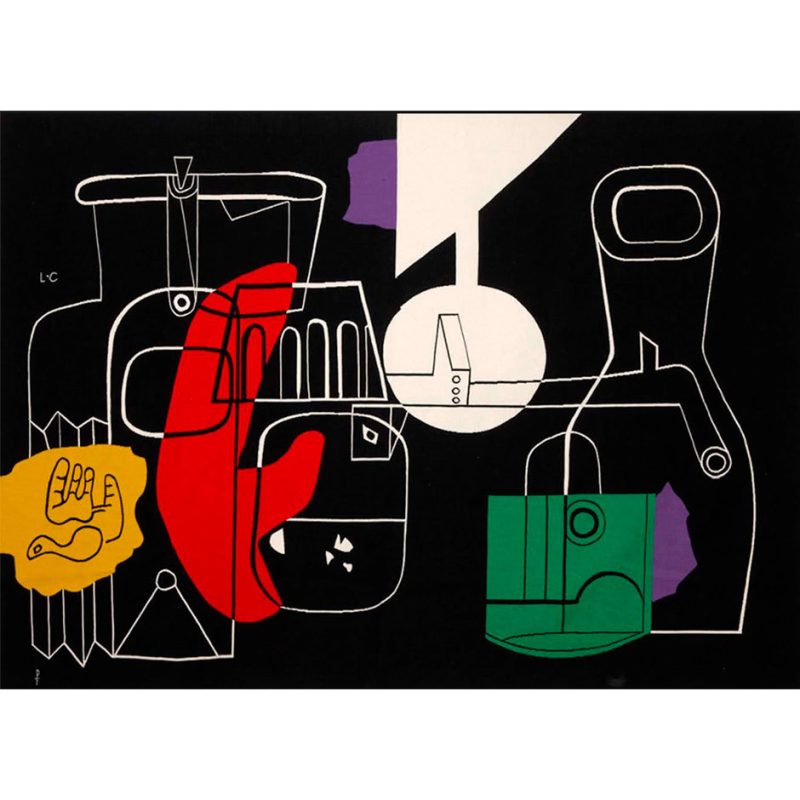
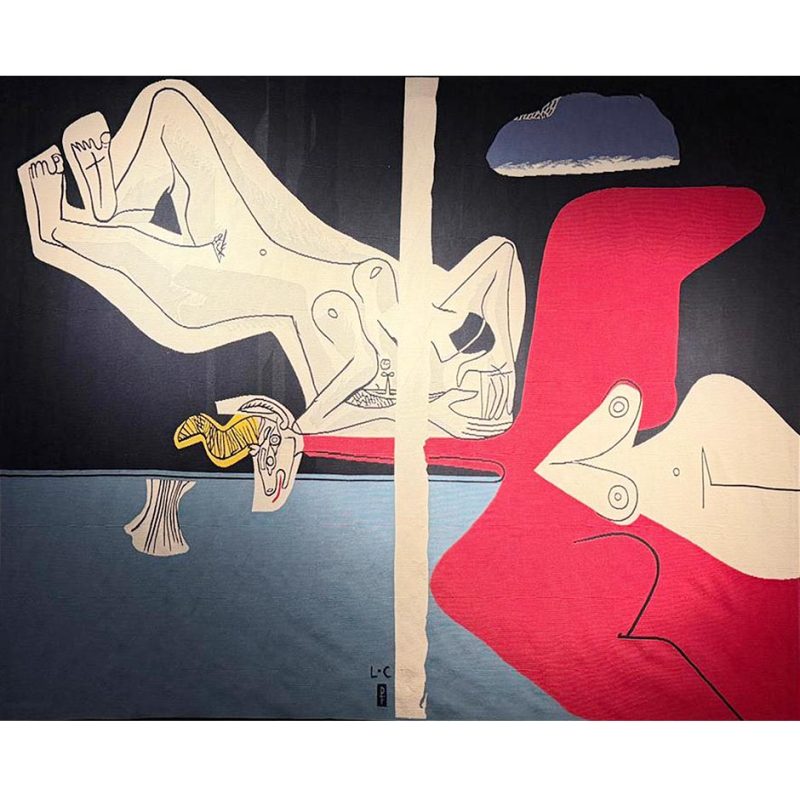
For Le Corbusier, art, architecture, and design formed a single modern language. His visual work, like his buildings, was driven by structure, proportion, and spatial interaction. In tapestry, these principles become woven compositions of simplified geometry and bold color. The medium allowed his art to inhabit space architecturally, rather than exist as ornament. Tapestry was part of his idea of a total work of art, extending modernist thought into a tactile, human-scaled dimension.
Michel Degand
Michel Degand’s abstraction is marked by subtle movement and quiet balance. His compositions explore space through softly shifting forms rather than dramatic contrast. In tapestry, this restrained language gains depth as texture amplifies nuance. Wool allows color transitions to feel atmospheric and physical. Degand approached textile not as reproduction but as continuation, using material to explore rhythm and spatial harmony. His tapestry works gently extend his abstract practice into a tactile realm.

John Piper
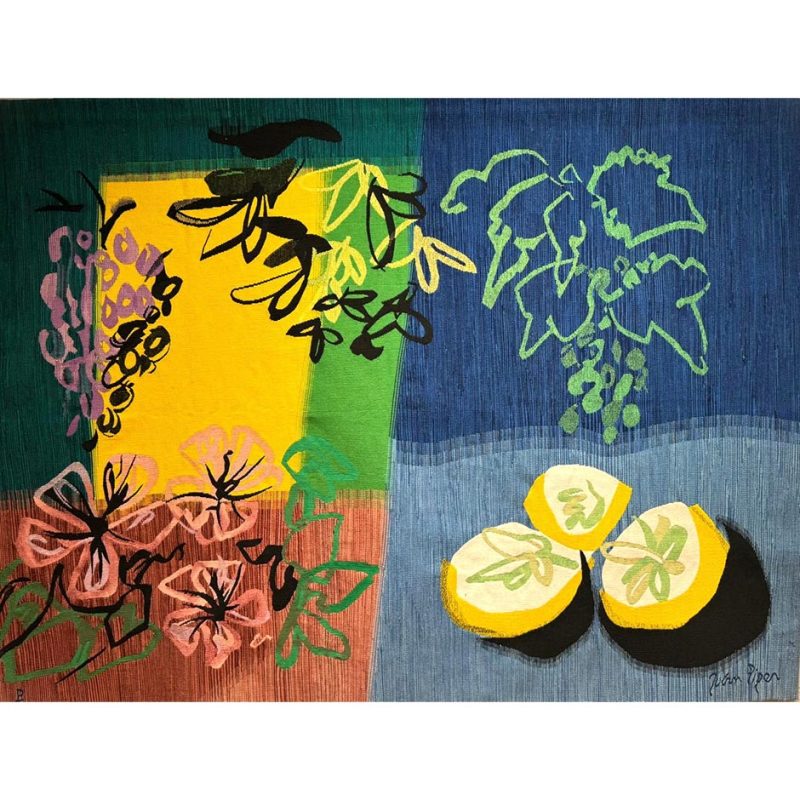
John Piper moved fluidly between painting, stained glass, book design, and monumental decoration, guided by collaboration with skilled craftspeople. That philosophy led him naturally to tapestry in the early 1960s. Working with Pinton Frères and Aubusson ateliers, he translated bold line and luminous color into woven form, often echoing stained-glass light. The tapestry Floral reflects this synthesis, blending abstraction and nature in a vibrant architectural composition. It stands as a rare textile expression of Piper’s modern vision.
Burhan Doğançay
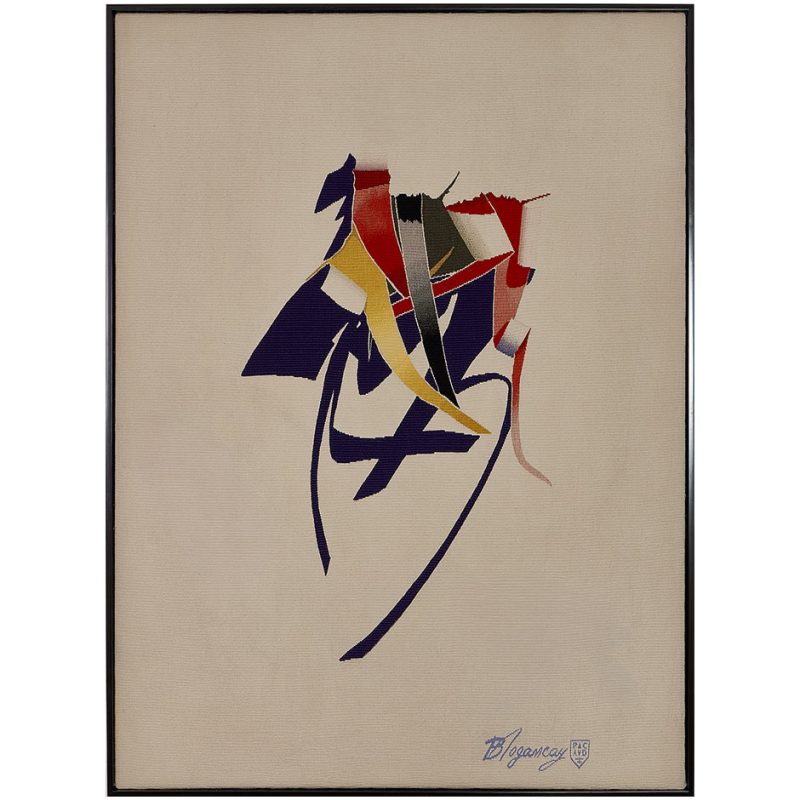
Burhan Doğançay transformed the visual language of urban walls into layered abstraction. Influenced by cities across Europe and the United States, his work reflects communication, decay, and cultural memory. In the 1980s, he explored tapestry with Atelier Raymond Picaud in Aubusson, giving material depth to these ideas. Sharp lines and floating fragments soften in wool, becoming architectural and tactile. His tapestry works form a rare extension of his urban abstraction into textile.
René Perrot
René Perrot conceived tapestry as a richly narrative surface, where decoration and storytelling merge. His woven compositions are dense, vibrant, and immediately recognizable, filled with birds, flowers, and animals arranged in rhythmic, ornamental fields. Drawing on the tradition of medieval and Renaissance mille-fleurs tapestries, his designs reinterpret historical motifs through a modern decorative language. Woven in Aubusson by ateliers such as Pinton and Rivière des Borderies, these works possess a strong monumental presence. They offer a joyful, timeless vision of tapestry as an expressive and living art form.


Georges Braque
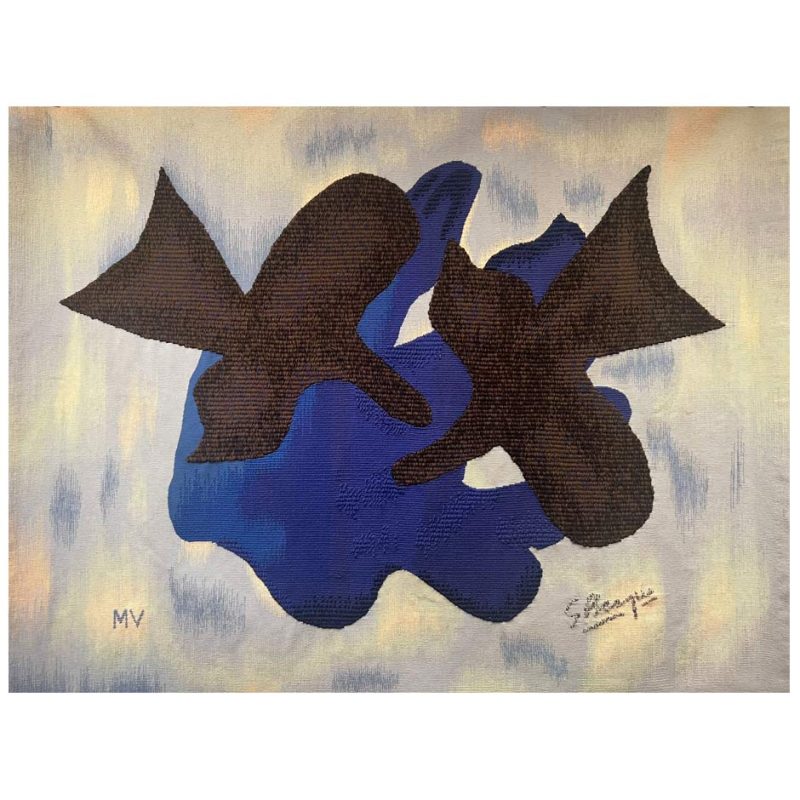
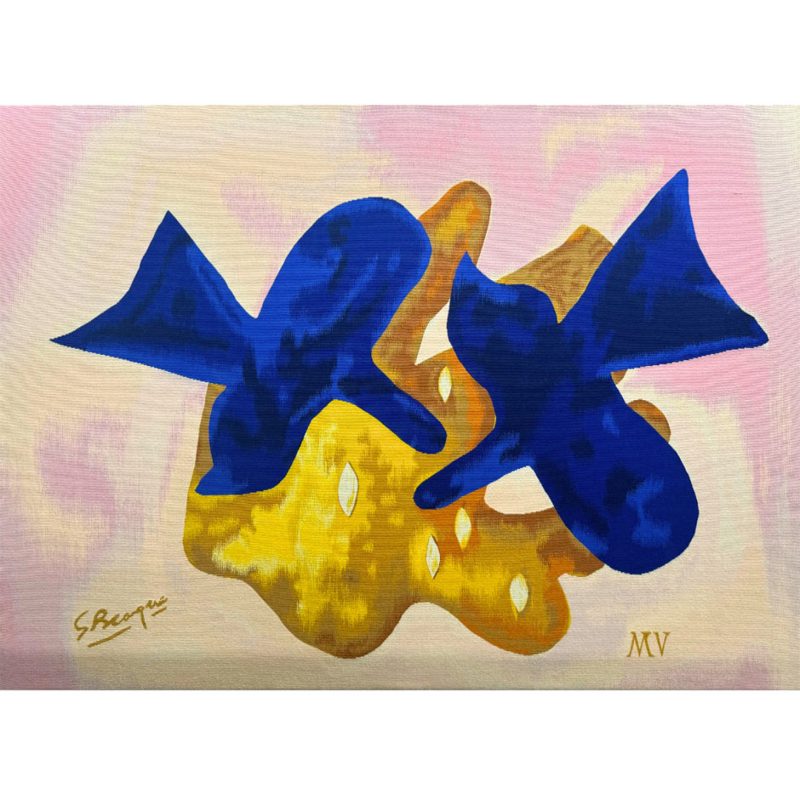
A founder of Cubism, Georges Braque developed a quiet, balanced approach to fractured form. When translated into tapestry, this structural clarity remains intact while gaining softness through material. Woven by the Moulin de Vaudoboyen in Bièvres, his compositions preserve restrained rhythm and modernist order. Wool brings warmth to his subtle palette, offering a rare way to experience Braque’s vision through the tactile language of textile.
Vassily Kandinsky
For Kandinsky, art was a spiritual language shaped by color and form. Long before abstraction was accepted, he explored how painting could express emotion beyond representation. In tapestry, his floating shapes and layered hues translate naturally into wool. Woven in Aubusson by Atelier Tabard, Sur fond noir gains warmth and texture while preserving rhythmic intensity. The work reflects Kandinsky’s belief in art as an emotional and spiritual experience.

Albert Gleizes
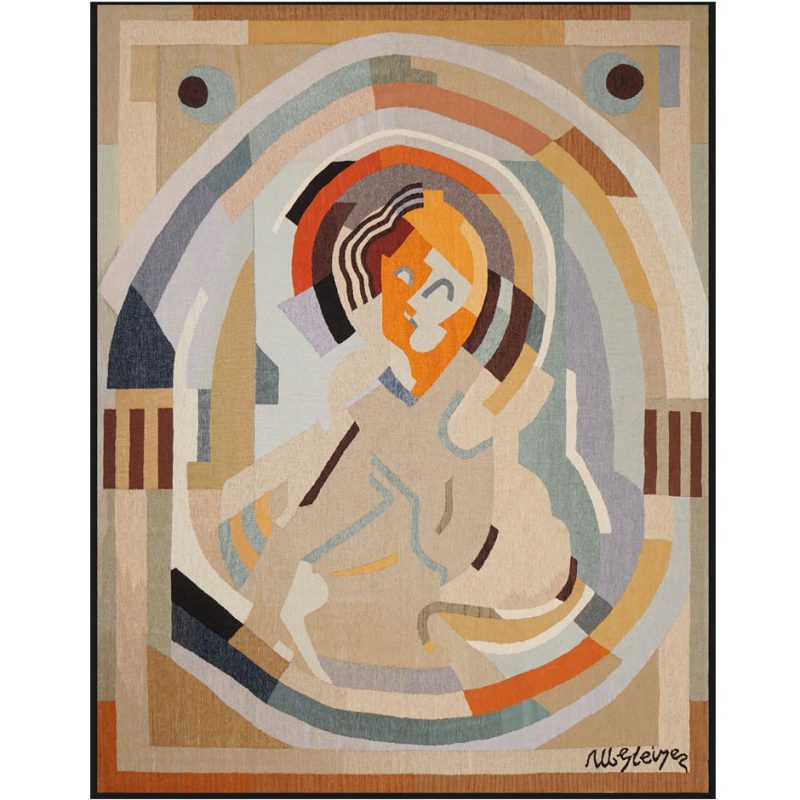
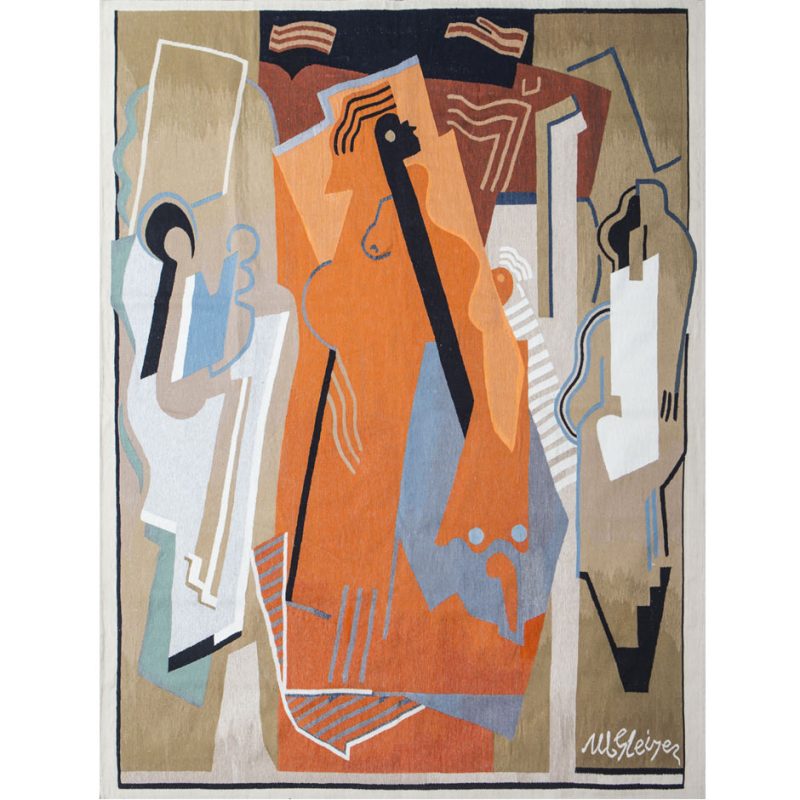
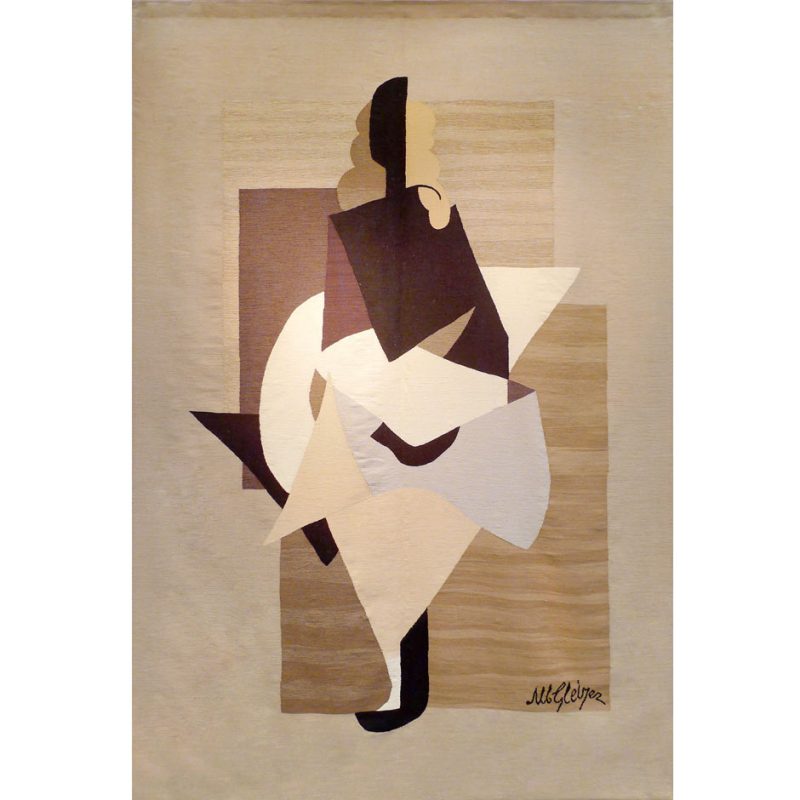
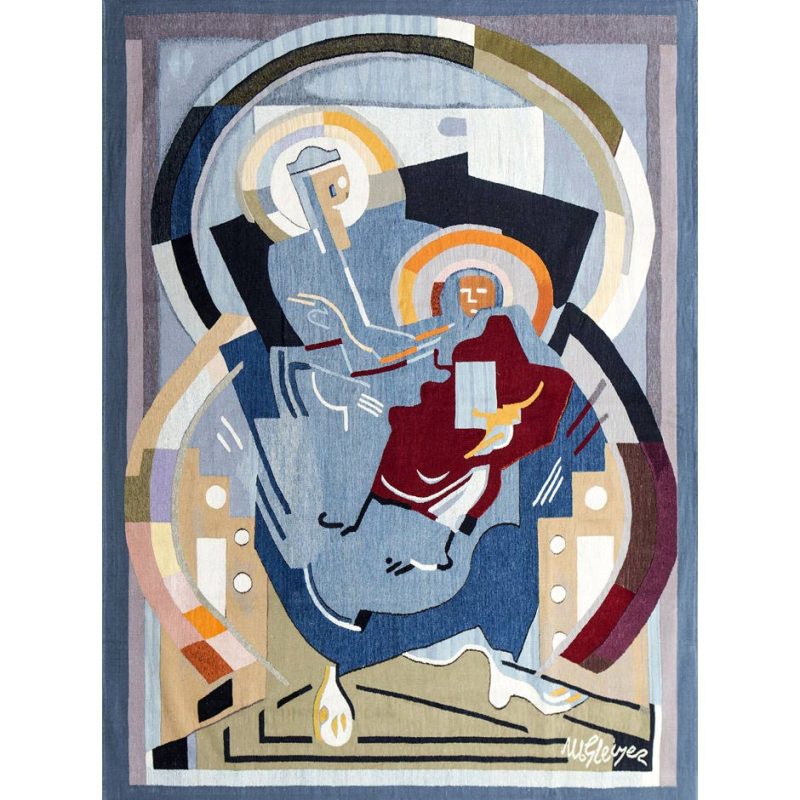
Albert Gleizes shaped Cubism through a philosophical approach to movement, time, and structure. His compositions use overlapping planes and dynamic color to reflect modern life. In tapestry, these ideas become architectural and tactile. Produced in collaboration with the Gleizes Foundation, his drawings were translated into carefully woven editions. The result preserves the clarity of his Cubist language while giving it renewed physical presence.

Jean Cocteau
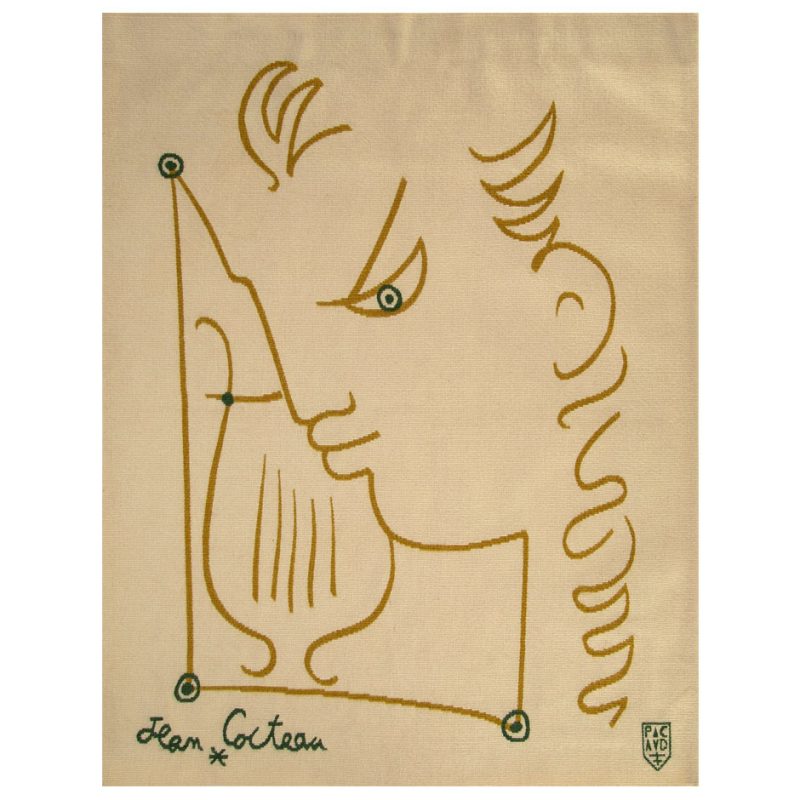
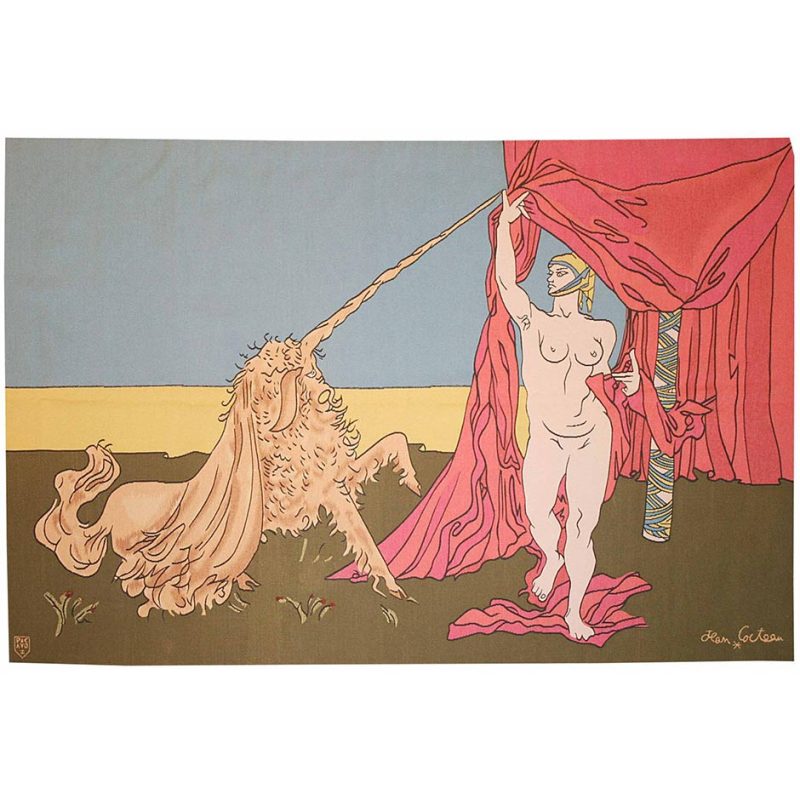
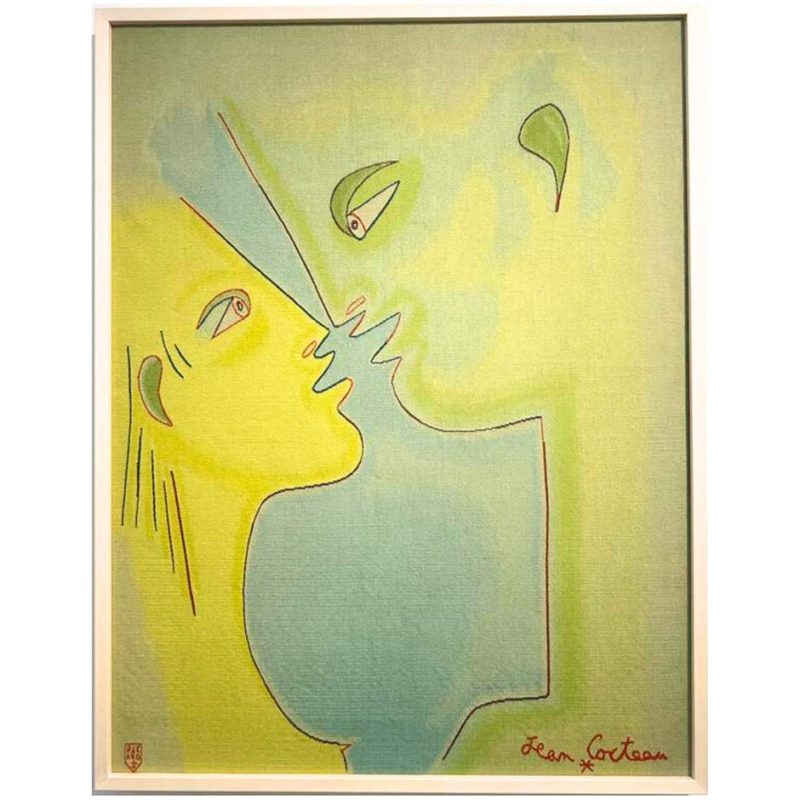
Jean Cocteau treated drawing as storytelling. His flowing lines and mythic imagery suggest emotion with remarkable economy. In tapestry, those delicate contours gain weight through wool, becoming soft yet present. Texture gives physical form to his poetic imagery, transforming line into fiber. His tapestry designs feel like visual poems, where narrative and material meet with quiet elegance.
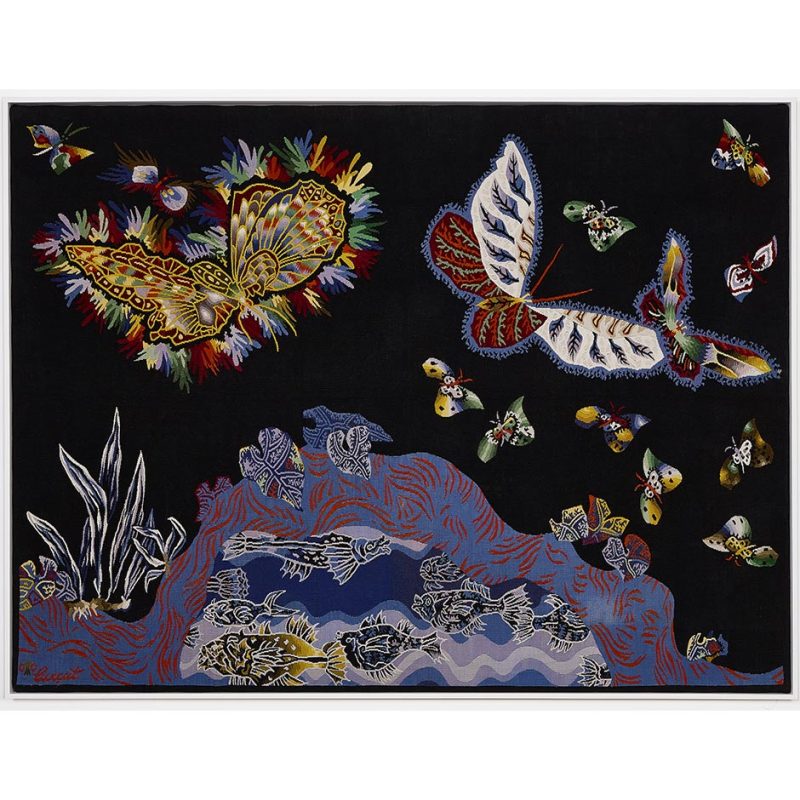
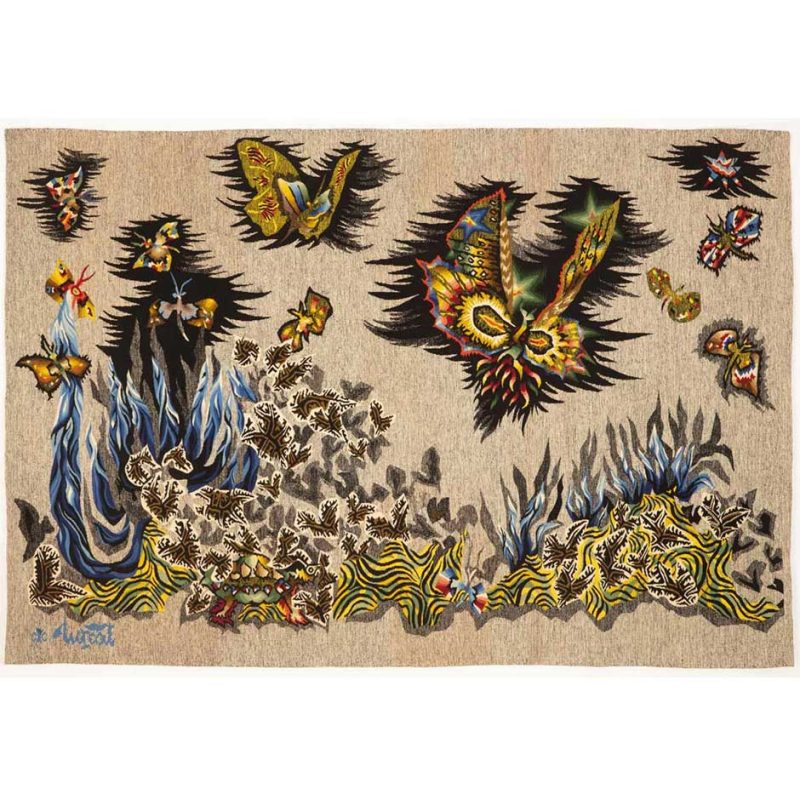
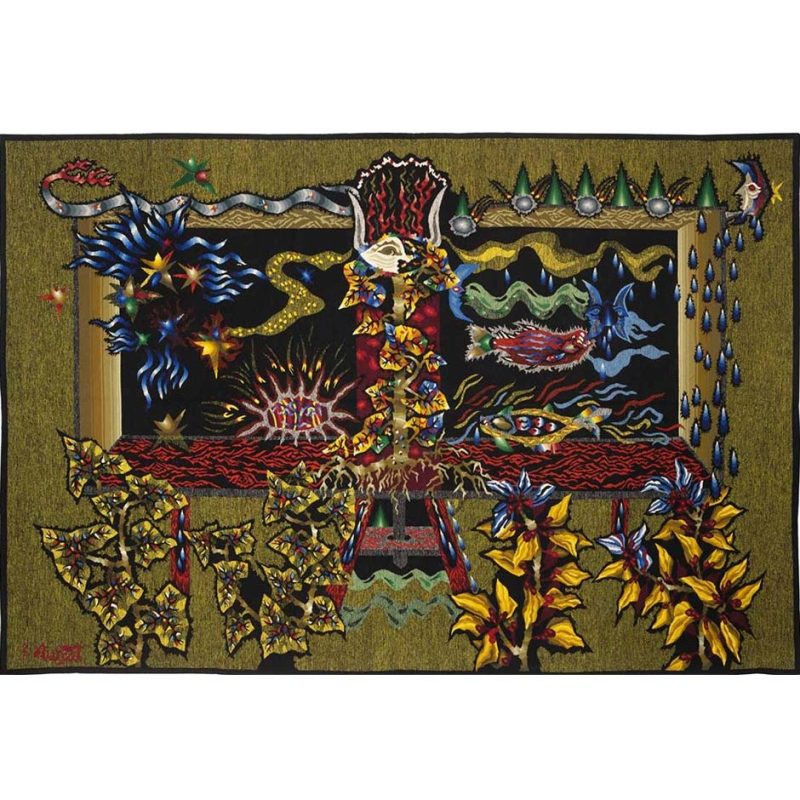
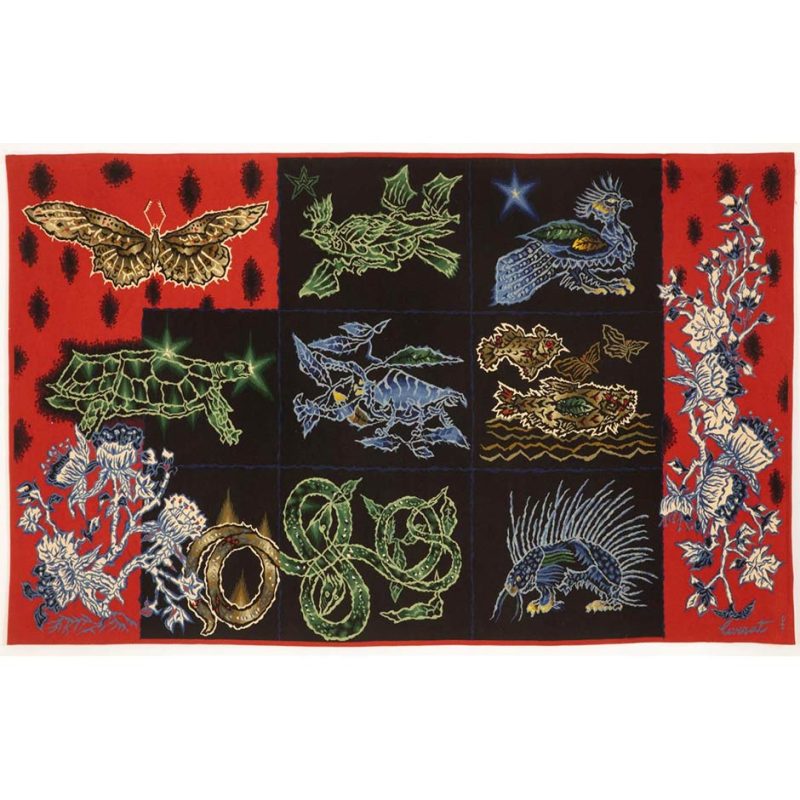
Jean Lurçat
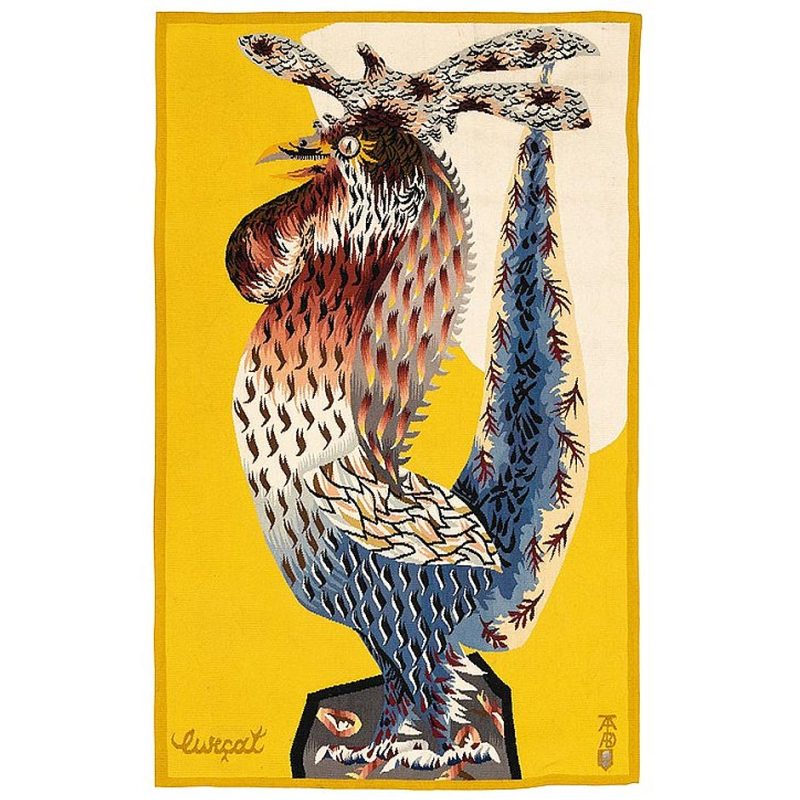
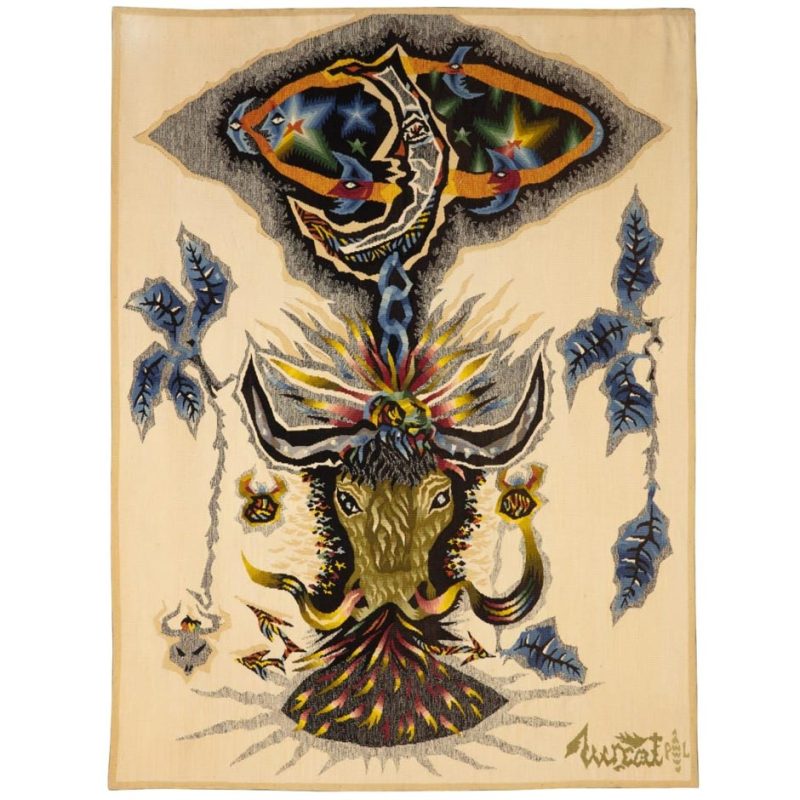
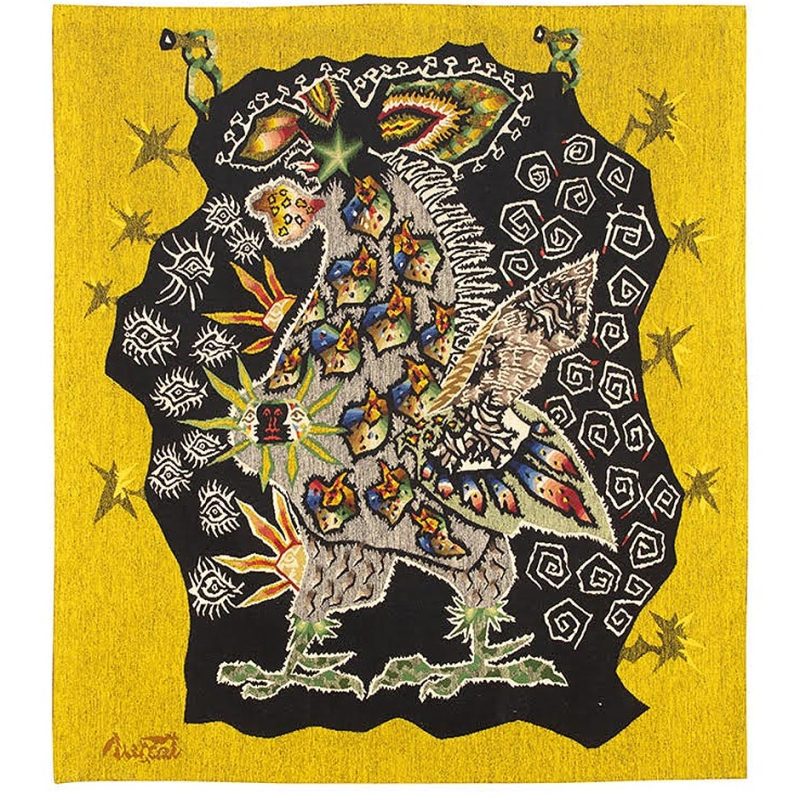
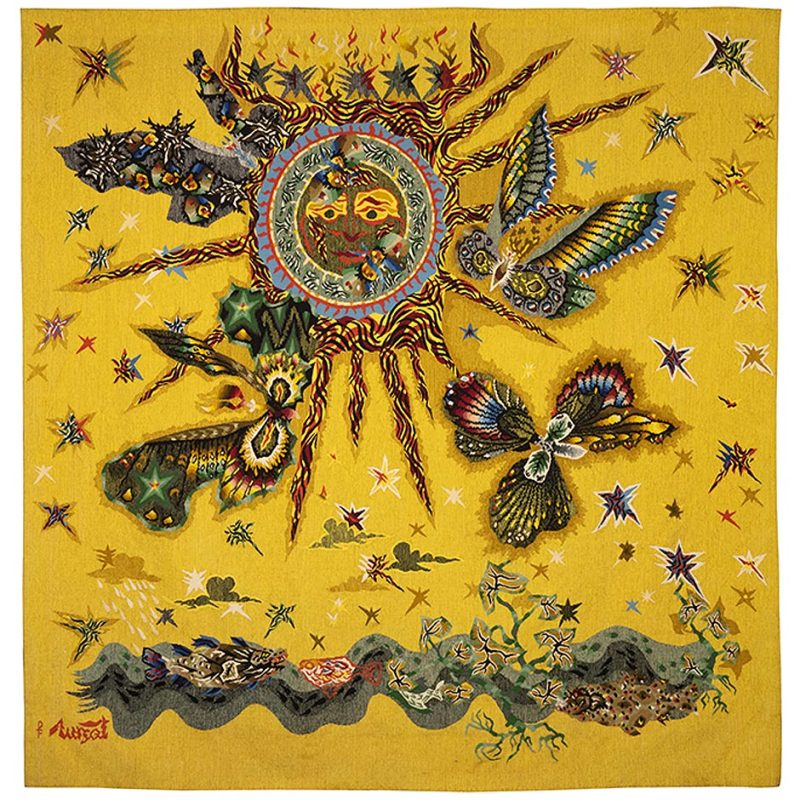
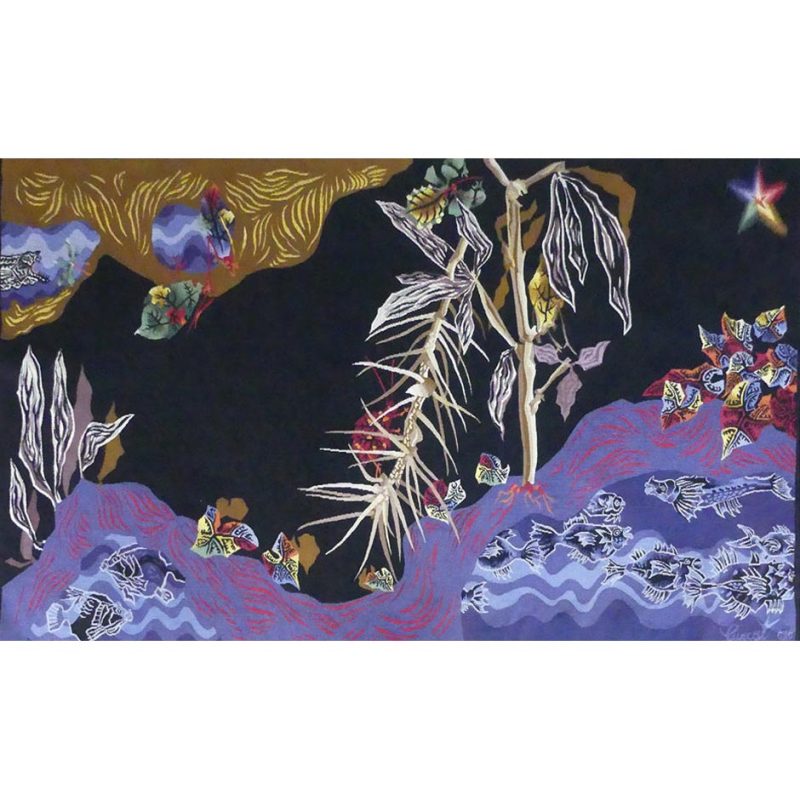
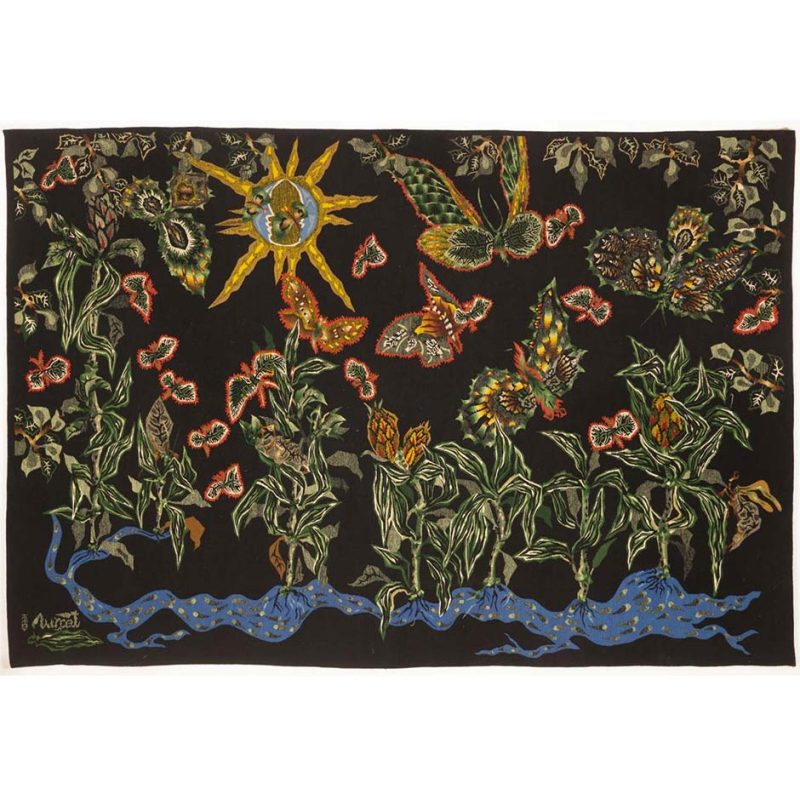
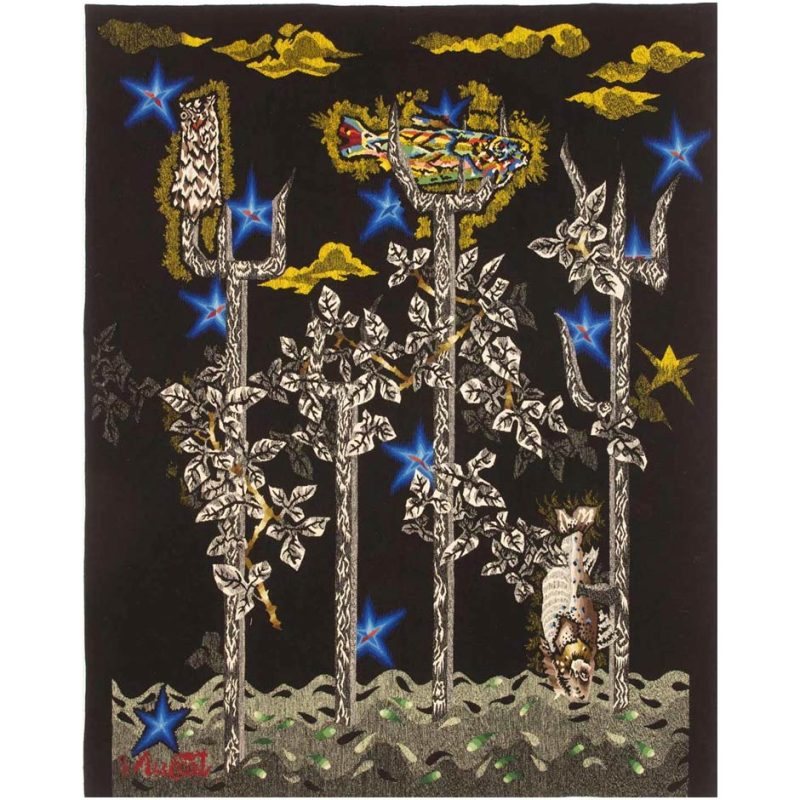
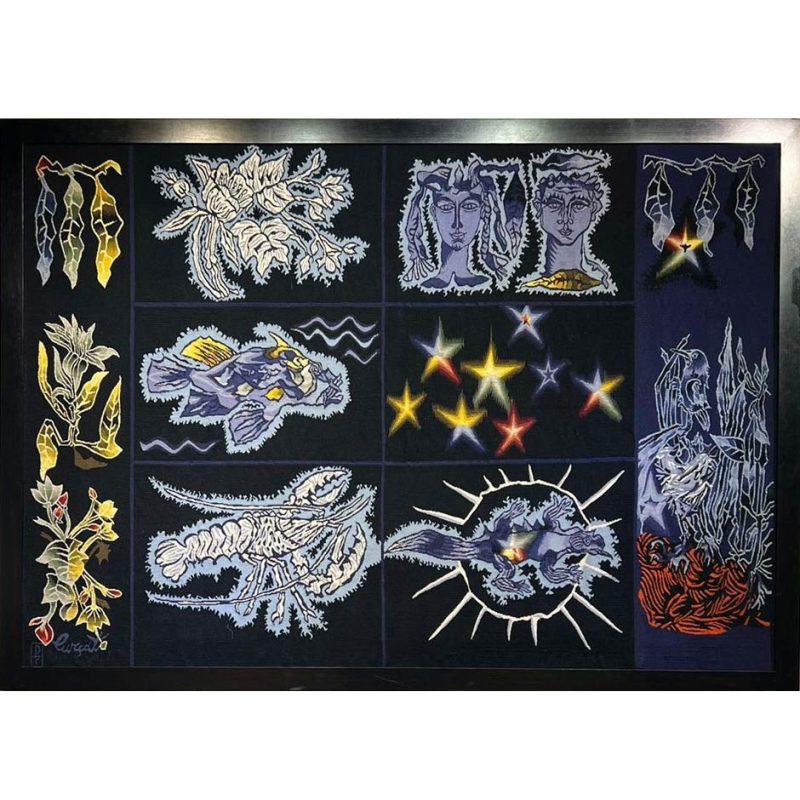
Jean Lurçat was central to the modern revival of tapestry. Rejecting decoration, he believed textile could once again become a monumental art form. Drawing on mythology, nature, and bold symbolism, he created powerful compositions defined by strong color and clear form. More than any other artist, he reshaped modern tapestry’s identity. His influence continues to define how contemporary artists approach textile.




André Borderie
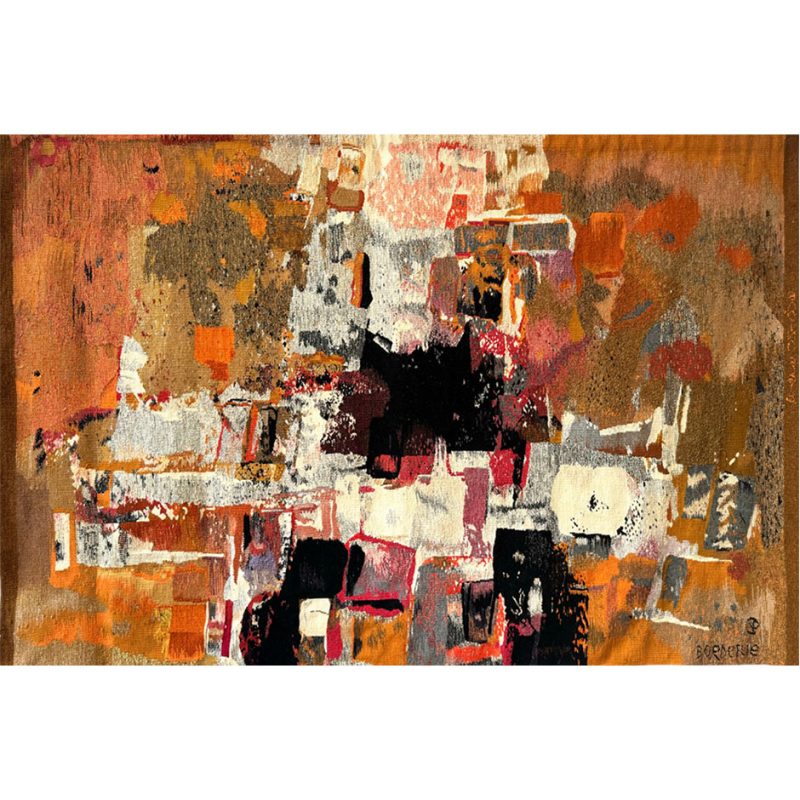
André Borderie’s painting captures gesture in motion. Associated with lyrical abstraction, his work balances spontaneity with structure through vibrant color. Tapestry offered him a way to extend that energy beyond canvas. In woven form, gesture becomes surface, and color gains physical weight. Wool transforms expressive marks into immersive texture, carrying the emotional force of his painting into textile.

Marc Saint-Saëns
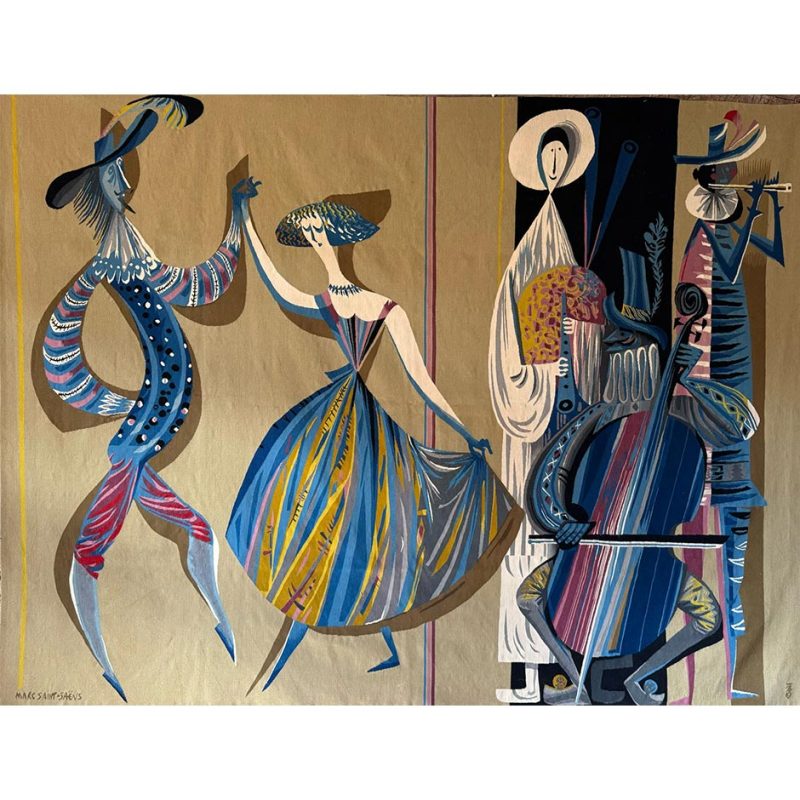
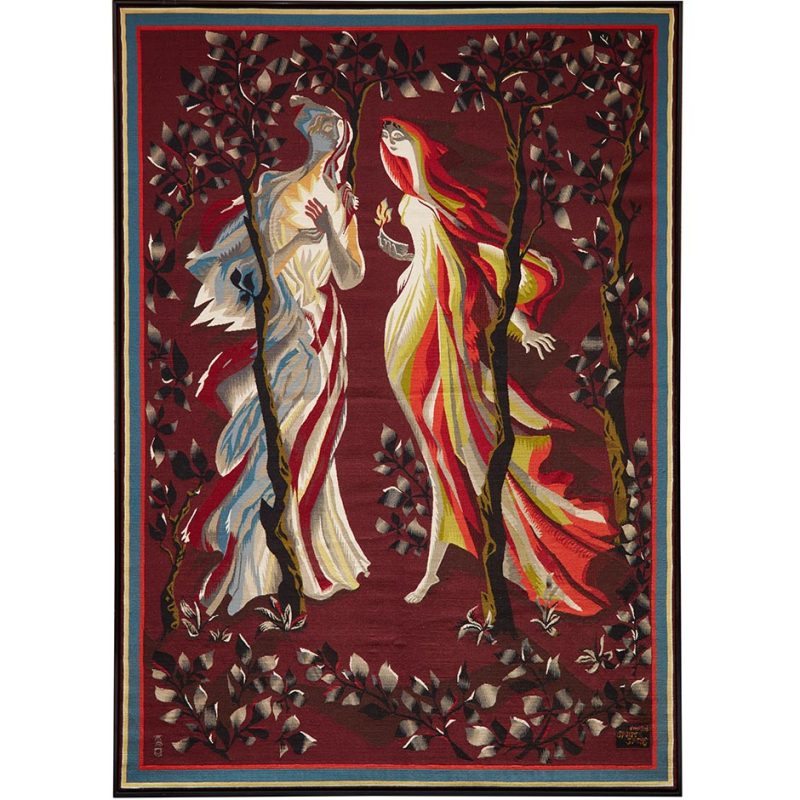
Marc Saint-Saëns played a key role in postwar French tapestry. His language combines abstraction with harmony and order. Approaching textile as monumental art, he used rhythm and balanced forms to shape space. Deeply involved in weaving techniques, he understood the dialogue between design and material. His tapestries reflect a refined modern sensibility rooted in tradition.
André Lanskoy
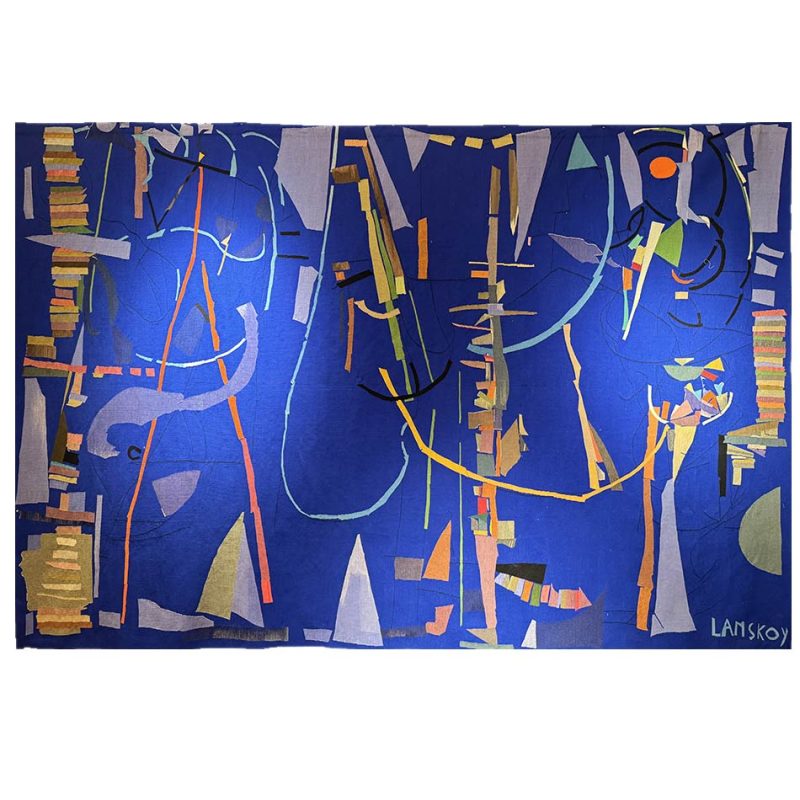
After abandoning figuration, André Lanskoy focused on dense, shifting structures. His compositions feel spontaneous yet controlled. In tapestry, these layered forms soften while retaining movement. Wool adds depth and weight, enhancing the tension between structure and flow. His textile works mirror the exploratory spirit that defines his painting.
Emile Gilioli
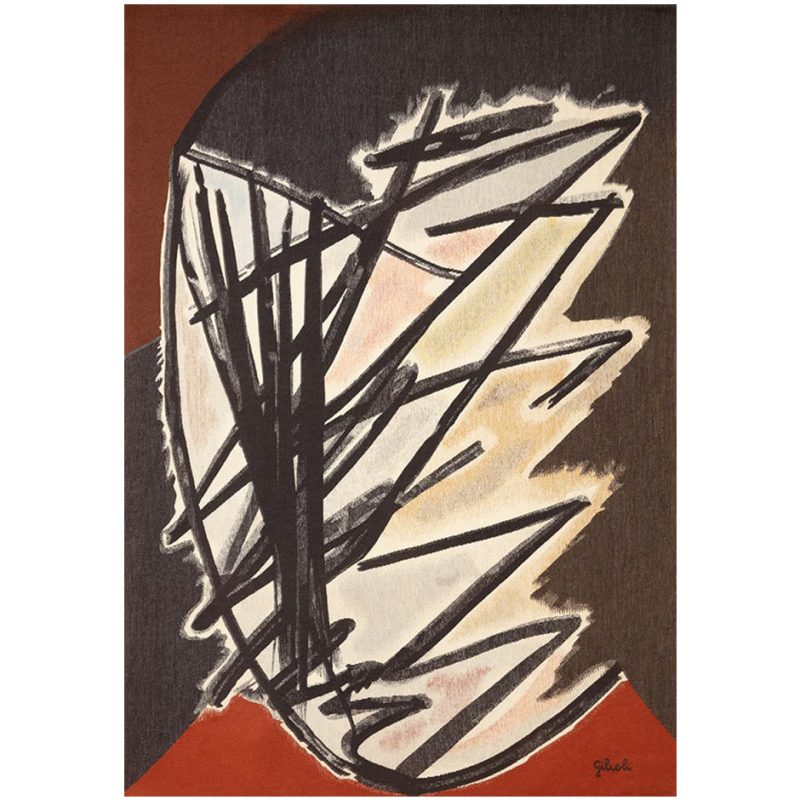
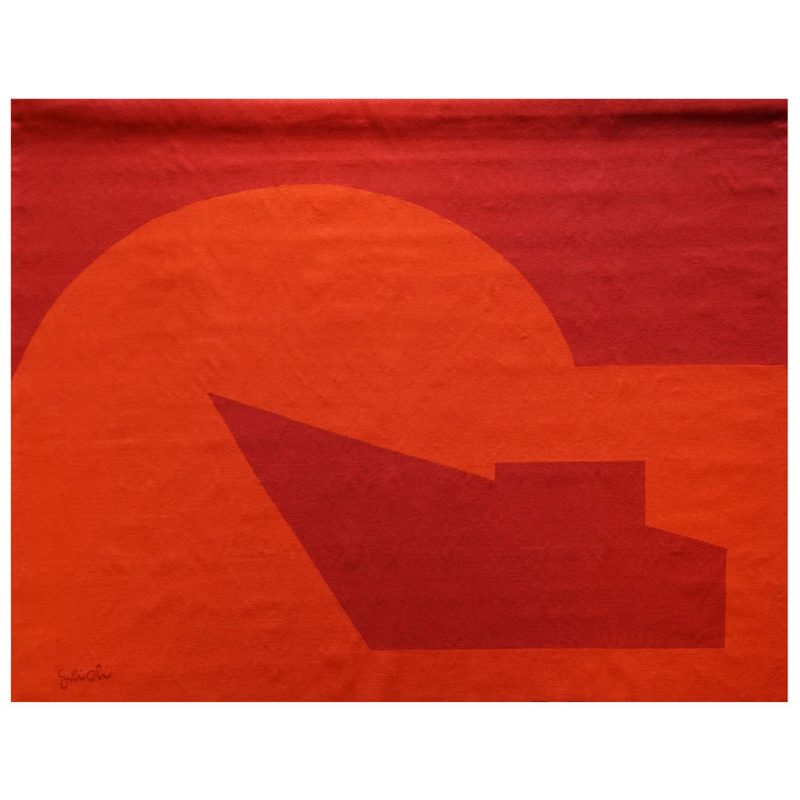
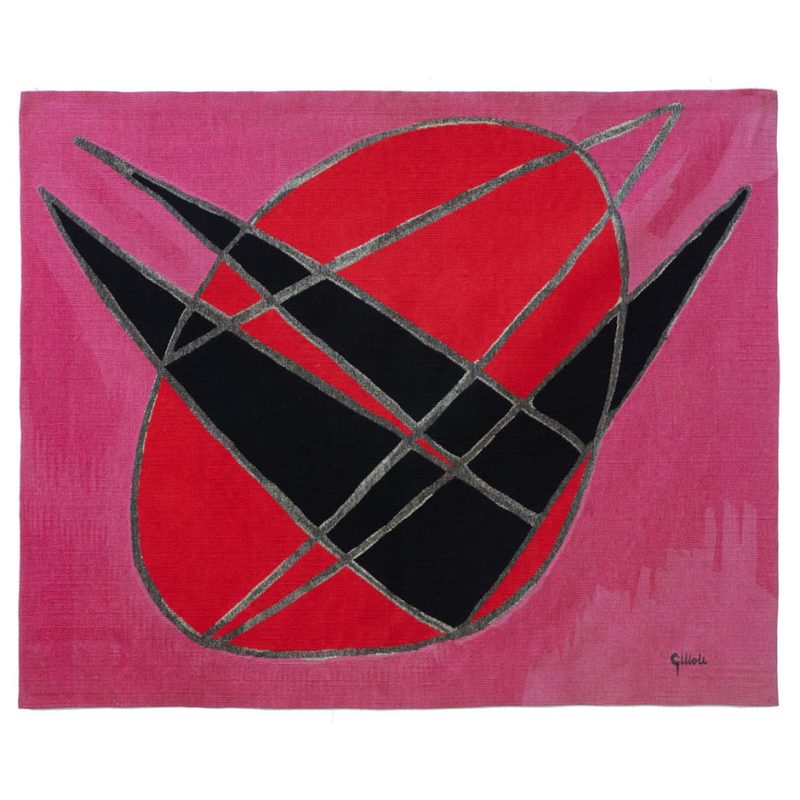
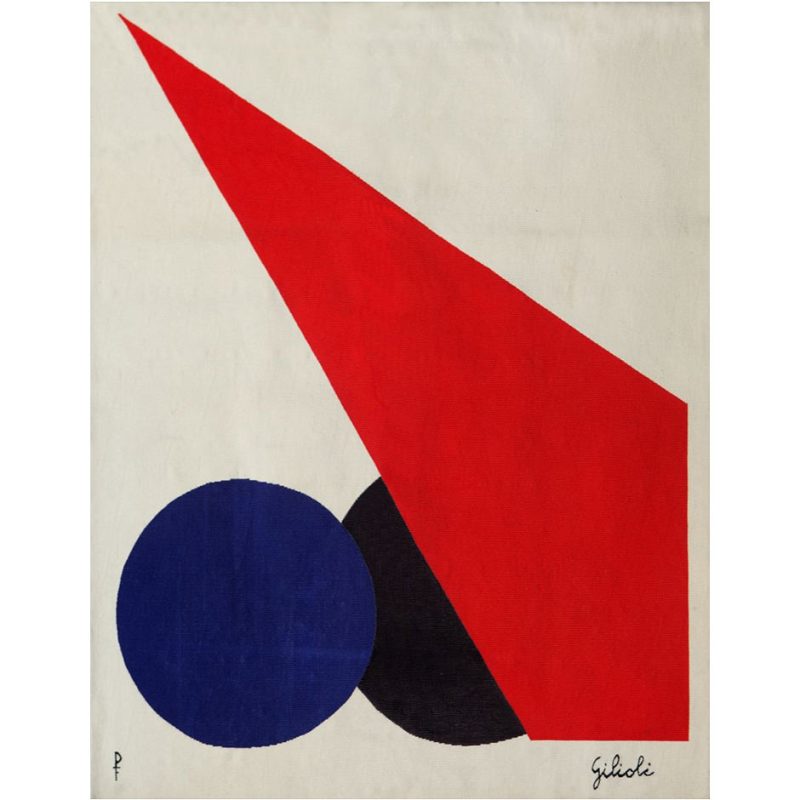
Émile Gilioli pursued purity and balance through reduced form. Best known as a sculptor, his thinking translates naturally into tapestry, where proportion guides composition. Wool turns carved clarity into something atmospheric and soft. Approaching textile as structural exploration, his woven works reflect the same meditative strength found in his sculpture.


Michel Seuphor
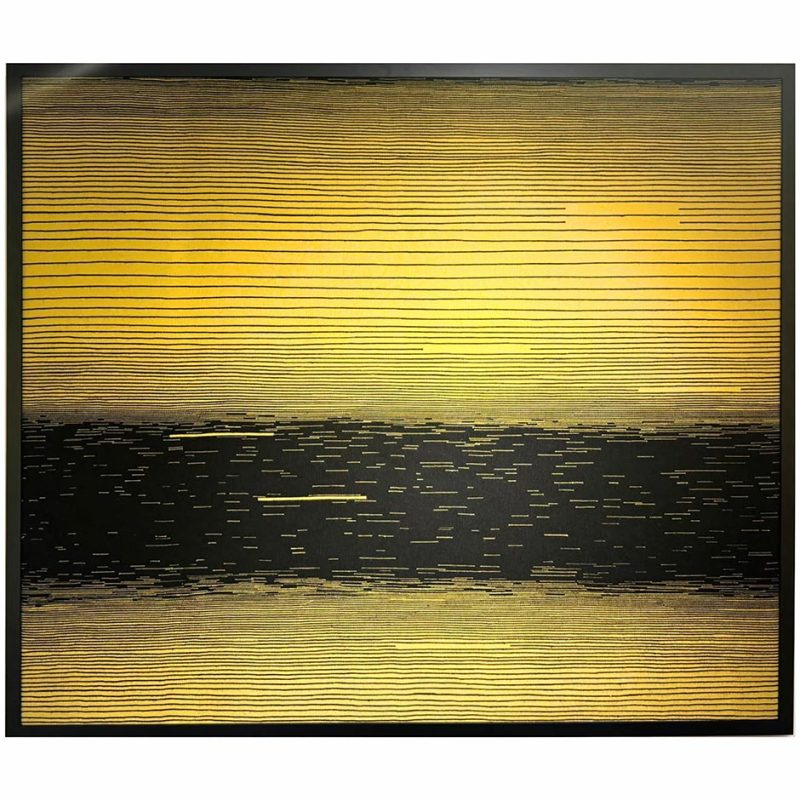
Michel Seuphor was both artist and theorist of abstraction. Closely linked to De Stijl, he believed in clarity, order, and the expressive power of line. In tapestry, these linear ideas gain architectural weight. The woven surface gives material presence to his restrained forms, extending his lifelong commitment to abstraction into textile.
Pierre Alechinsky
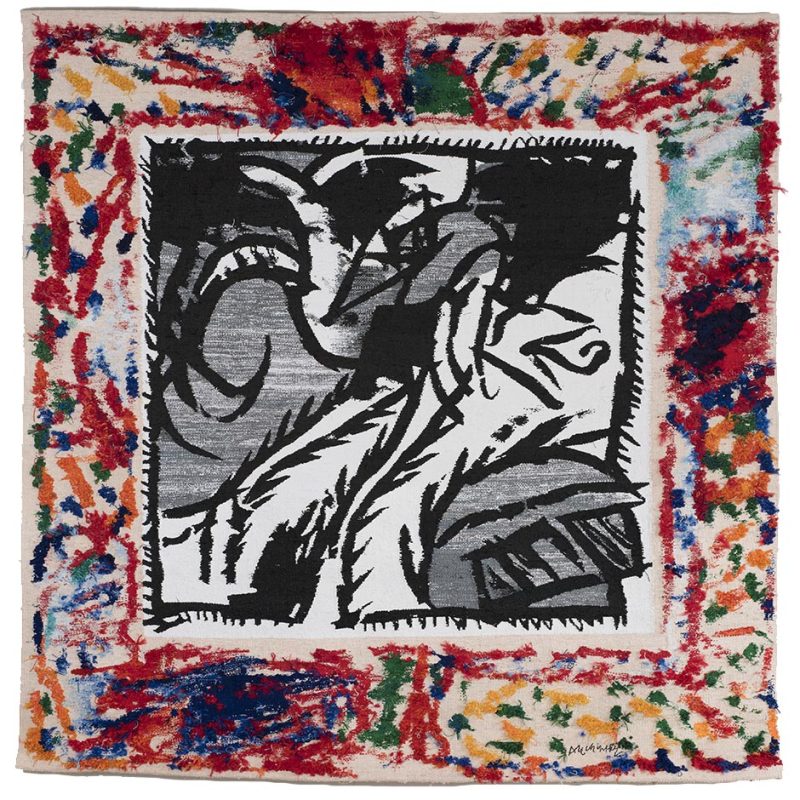
Pierre Alechinsky’s tapestry works translate his unmistakable graphic language into a richly tactile medium. Bold lines, fluid movement, and expressive color unfold across the woven surface, giving physical depth to his gestural compositions. The softness of wool amplifies rhythm and contrast, allowing drawing and color to interact with material in a new way. These tapestries retain the spontaneity and visual tension of his work while introducing warmth and texture. They stand as compelling textile interpretations of Alechinsky’s dynamic, playful, and highly expressive visual language.